


Description
Spigot Glass Railing: The Comprehensive Buying and Installation Guide for 2026
Meta Description: Master the art of selecting and installing spigot glass railing. Compare costs against shoe channels, discover 2026 design trends, and learn expert tips for leveling on uneven surfaces.
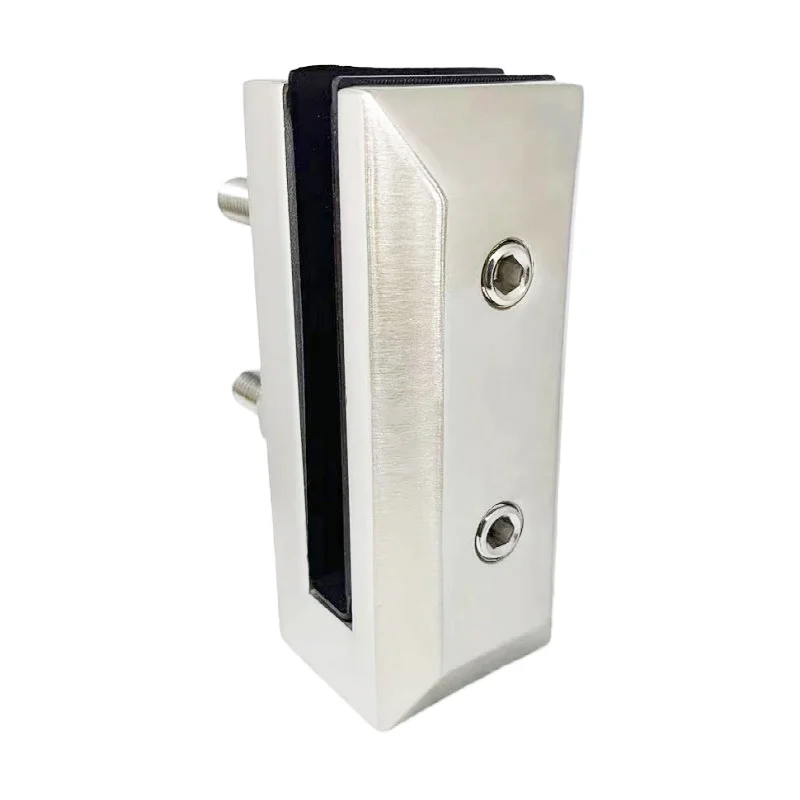
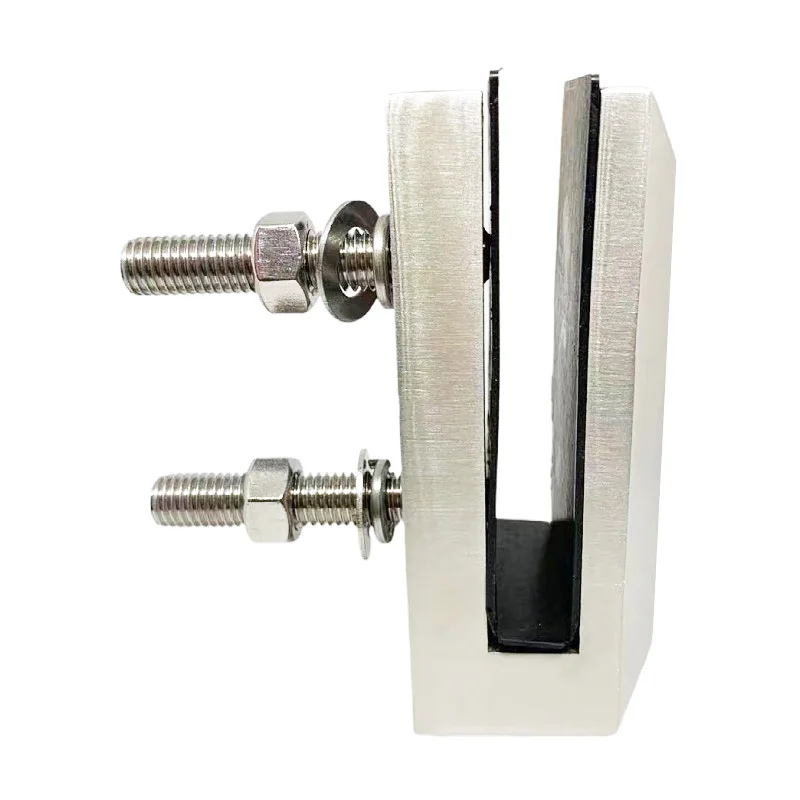
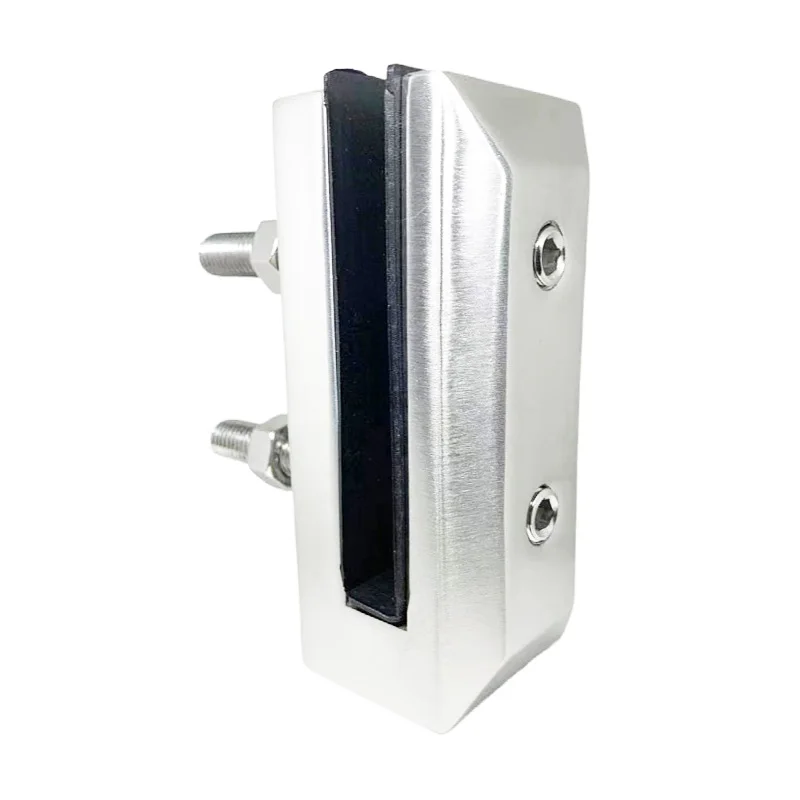
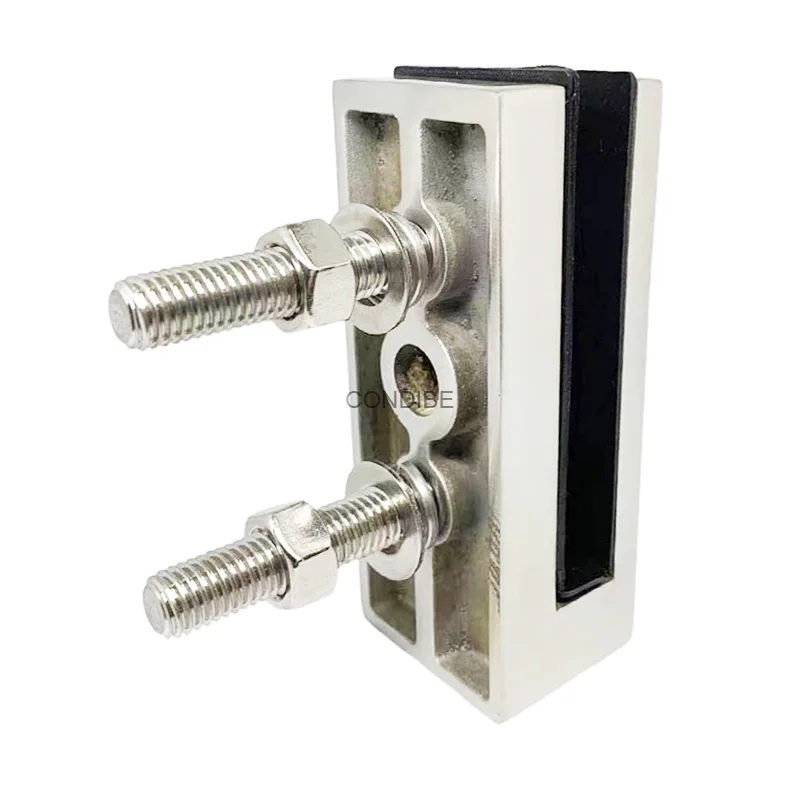
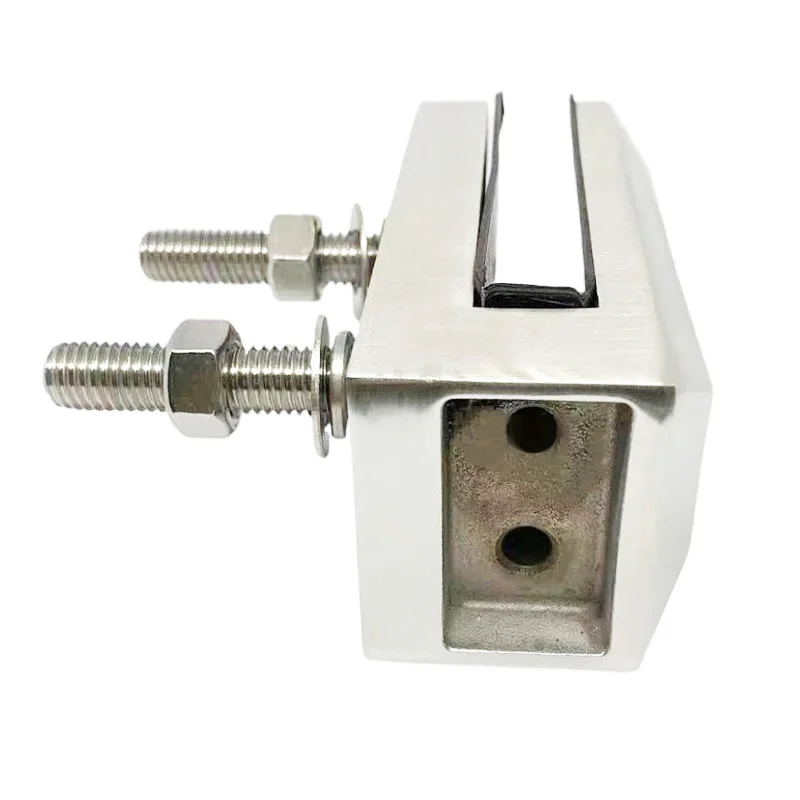
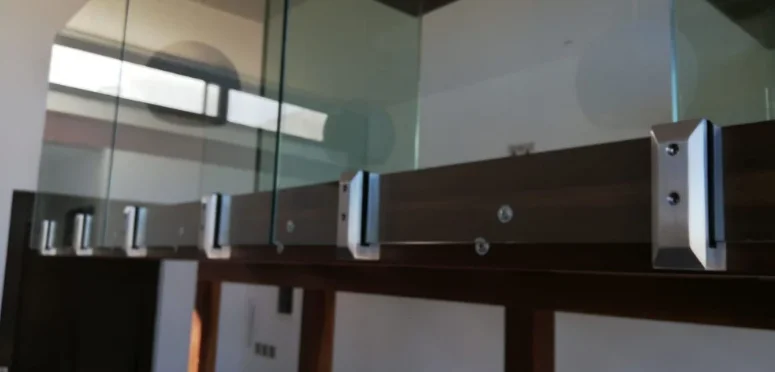
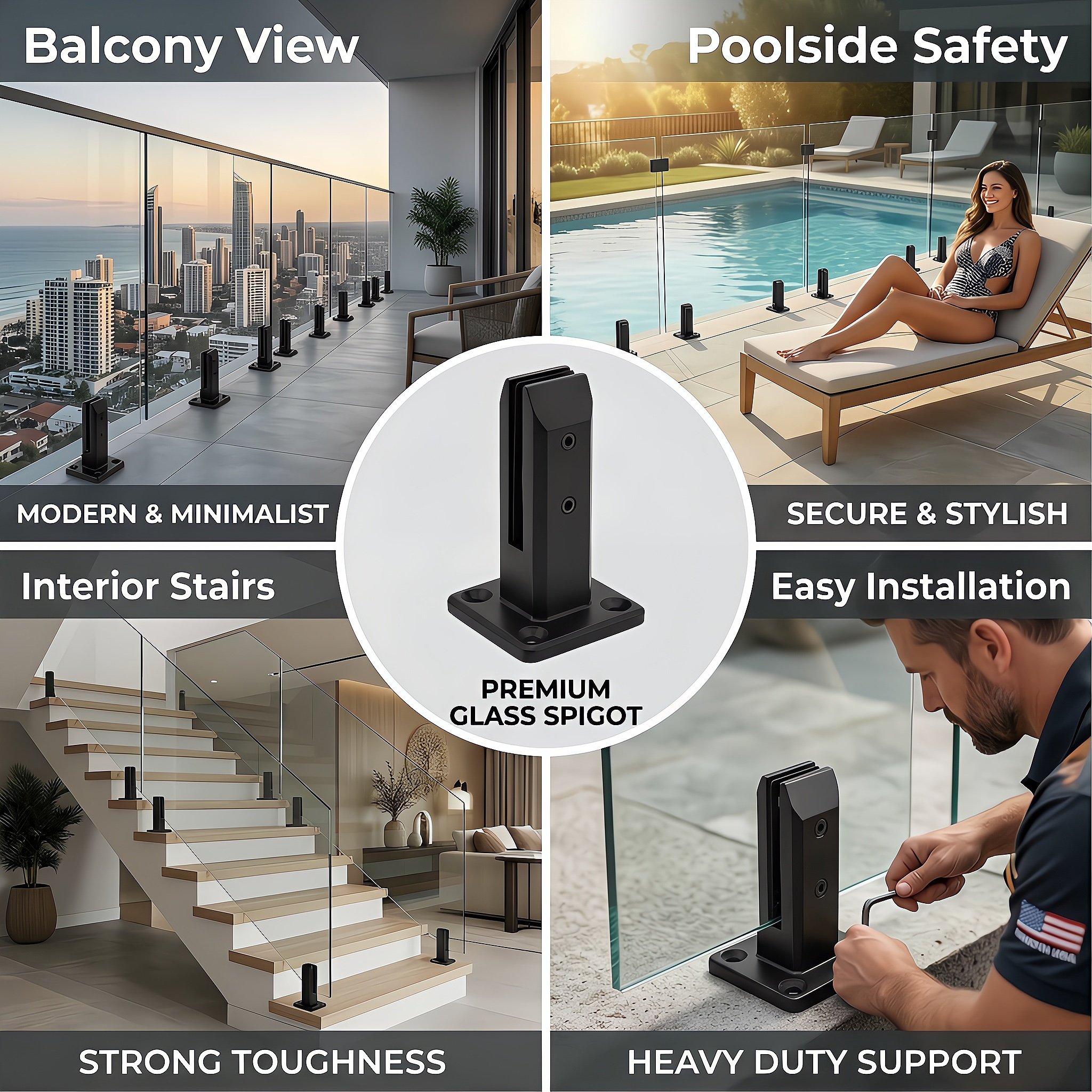
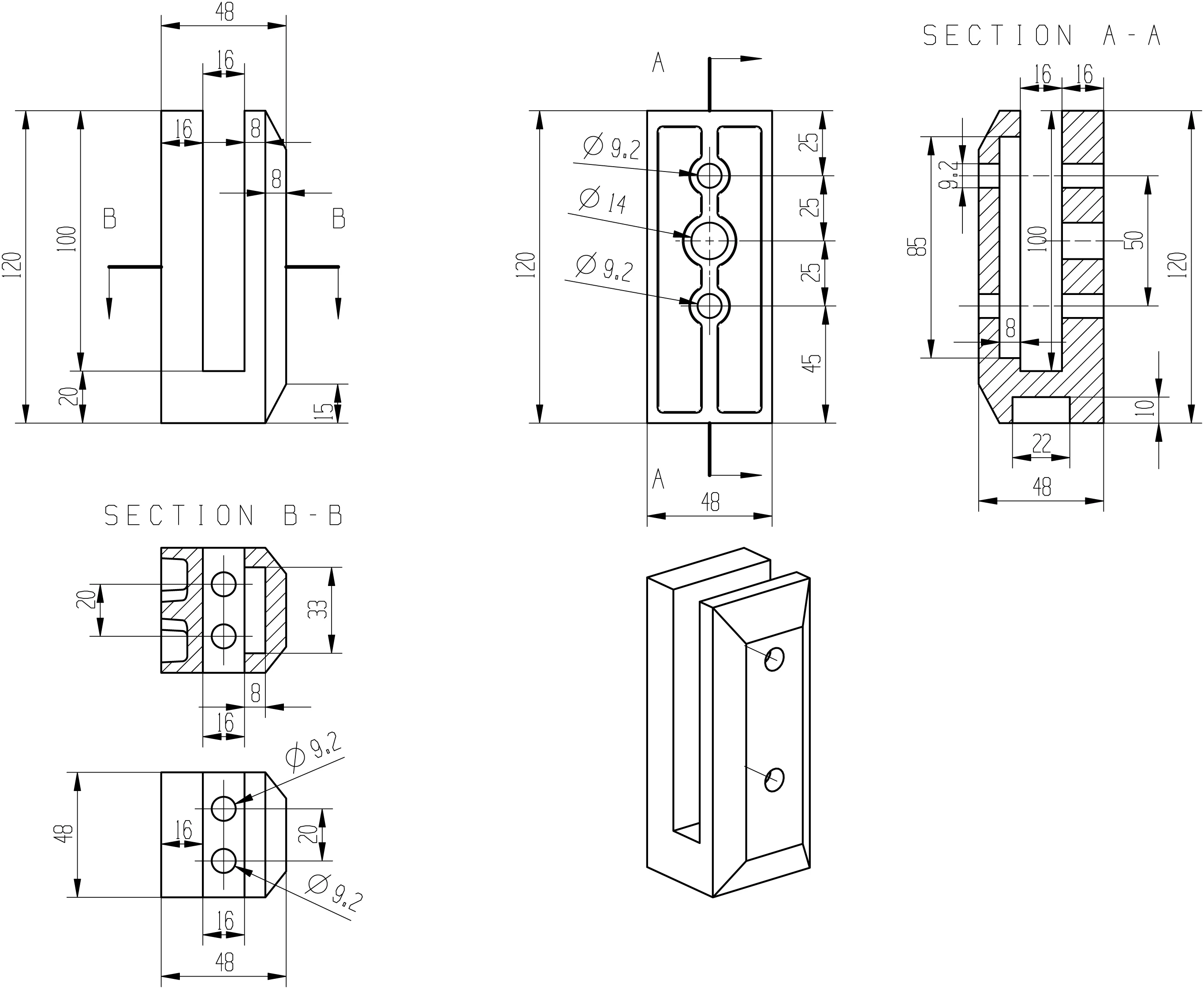
In the rapidly evolving landscape of modern architecture, the spigot glass railing has emerged as the preferred choice for those seeking a balance between high-end aesthetics and practical versatility. Unlike traditional framed systems, the spigot method—often referred to as “mini-post” or “point-fixing”—utilizes heavy-duty stainless steel clamps to support glass panels from the base, creating a seamless, panoramic effect.
This guide provides an in-depth look at the cost-benefit analysis, the latest 2026 design trends, and professional installation secrets to ensure your project is a success.
Cost-Benefit Analysis: Spigot vs. Other Systems
When planning a frameless glass project, homeowners and contractors typically choose between three main systems: Spigots, Base Shoes, and Standoffs. Understanding the trade-offs is essential for budgeting.
|
Feature
|
Spigot System
|
Base Shoe (U-Channel)
|
Standoff Pins
|
|
Visual Impact
|
Minimalist point supports.
|
Continuous bottom profile.
|
Side-mounted “floating” look.
|
|
Relative Cost
|
Medium ($$)
|
High ($$$)
|
Low-Medium ($)
|
|
Installation Ease
|
Moderate; forgiving on layout.
|
Complex; requires perfect level.
|
Moderate; requires side access.
|
|
Water Drainage
|
Excellent (natural gap).
|
Poor (traps water/debris).
|
Excellent (side-mounted).
|
|
Substrate Fit
|
Versatile (wood, concrete).
|
Best for concrete slabs.
|
Best for stairs/fascias.
|
The Verdict: Spigots offer the best “bang for your buck” for outdoor decks and pool areas because they provide the frameless look of a base shoe at a lower hardware cost, with the added benefit of superior drainage.
2026 Design Trends: What’s Hot in Glass Railings?
As we move into 2026, the aesthetic of spigot systems is shifting toward bolder, more integrated looks:
1.Black PVD Finishes: Moving away from traditional powder coating, Black PVD (Physical Vapor Deposition) is the new standard. It offers a molecular bond that is scratch-resistant and doesn’t chip, perfect for the sleek “Industrial Modern” look.
2.Slimline Profiles: Manufacturers are engineering spigots with smaller footprints but higher load-bearing capacities, further reducing visual “noise.”
3.Integrated LED Lighting: Some premium spigots now feature built-in LED channels that illuminate the edge of the glass panels at night, combining safety with a stunning “glow” effect.
4.Recycled “Green” Stainless: Eco-conscious builders are prioritizing spigots made from high-percentage recycled Duplex 2205 steel, aligning with 2026 sustainability goals.
Professional Installation: Solving the “Uneven Surface” Problem
The biggest challenge in spigot installation is a substrate that isn’t perfectly level. Here is how the pros handle it:
1. The Reference Line Method
Never install spigots by following the floor’s contour. Use a laser level to establish a perfectly horizontal reference line. Measure the distance from this line to the floor at every spigot location to determine where shims are needed.
2. Using Adjustable Spigots
If your budget allows, invest in adjustable glass spigots. These features allow you to tilt or height-adjust the glass panel after it has been set in the clamp, saving hours of manual shimming.
3. Shimming Secrets
For minor deviations (under 5mm), use stainless steel horseshoe shims. Unlike plastic or wood, these will not compress over time, ensuring your glass remains plumb for decades.
4. Core Drilling vs. Surface Mounting
•Core Drilling: Best for concrete. The spigot is set into a 4-inch deep hole with non-shrink grout. It’s the sturdiest and cleanest-looking method.
•Surface Mounting: Best for timber decks. Ensure you have at least 4 inches of structural blocking (double joists) beneath the deck boards to handle the lateral leverage of the glass.
Maintenance and Longevity
To keep your spigot system looking brand new, follow these 2026 maintenance standards:
•Rinse After Rain: In coastal areas, salt buildup is the enemy. A simple freshwater rinse once a month prevents “tea staining.”
•Gasket Inspectionslate-leaf=”true”>: Check the rubber gaskets every 2-3 years. If they become brittle, replace them to maintain the friction grip on the glass.
•Avoid Abrasives: Never use steel wool on stainless steel. Use a microfiber cloth and a dedicated stainless steel cleaner.
Conclusion
A spigot glass railing is more than just a safety barrier; it’s a design statement that adds significant value to any property. By selecting the right material (like Duplex 2205), staying ahead of design trends like Black PVD, and following professional installation protocols, you can achieve a world-class result that is as durable as it is beautiful.


Reviews
There are no reviews yet.