


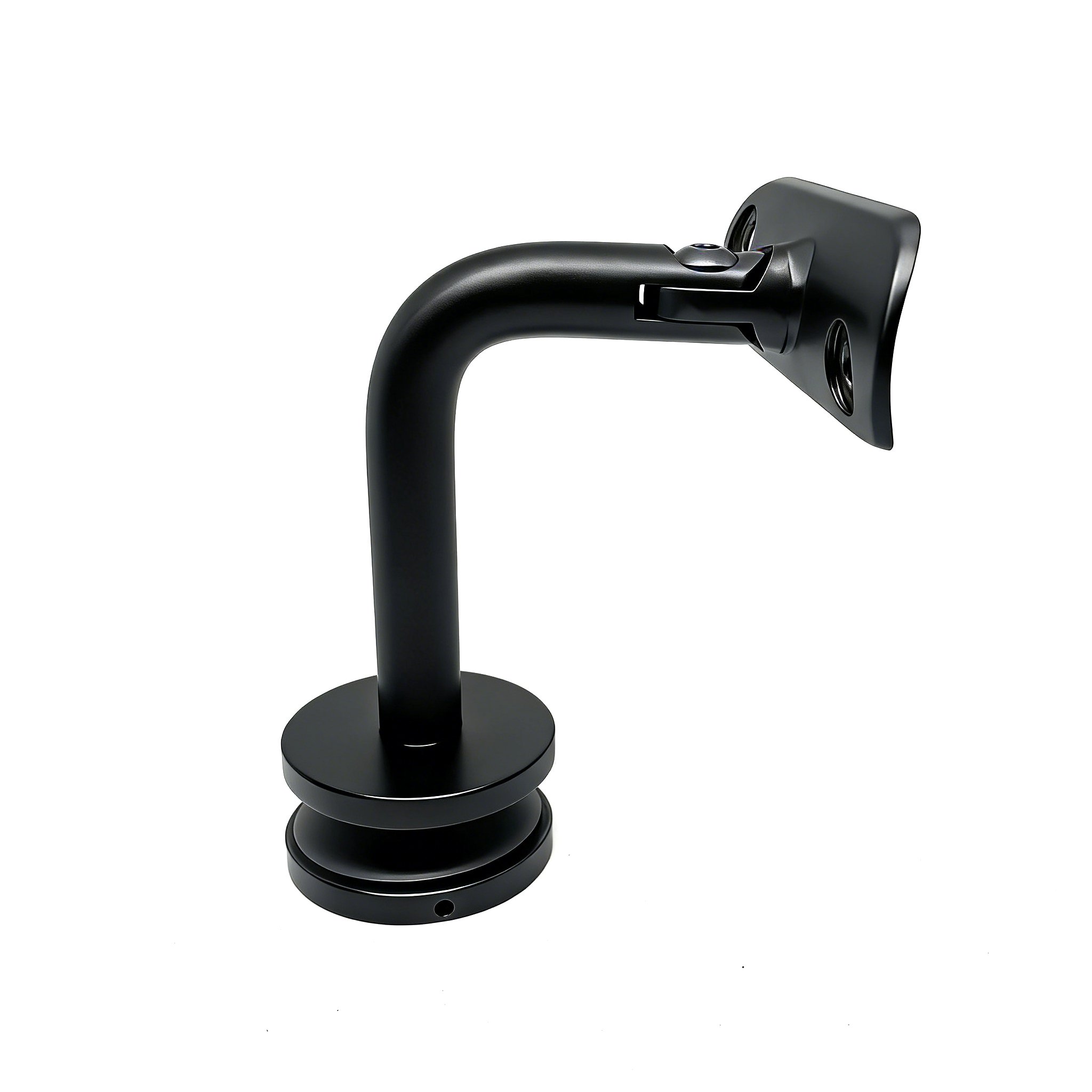
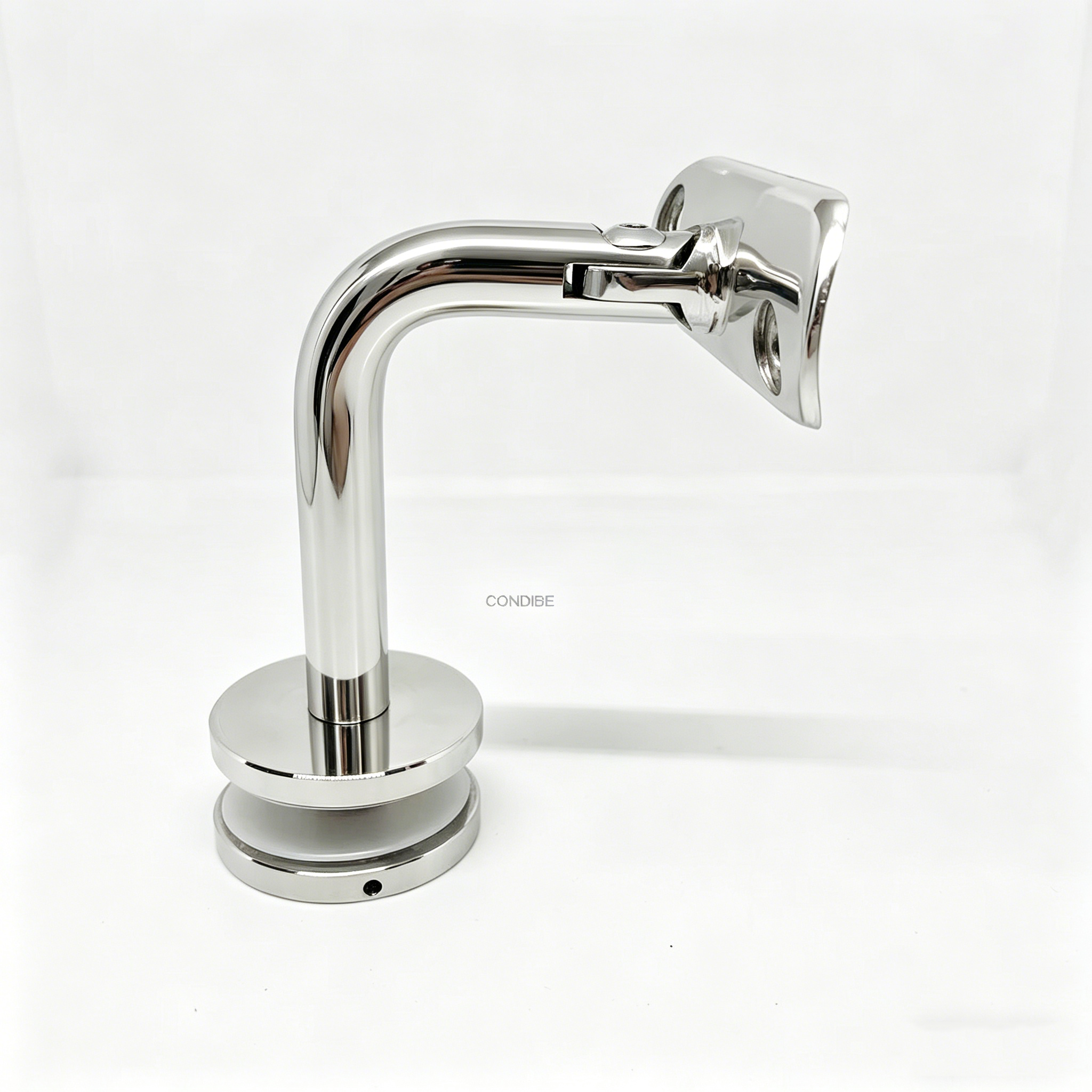
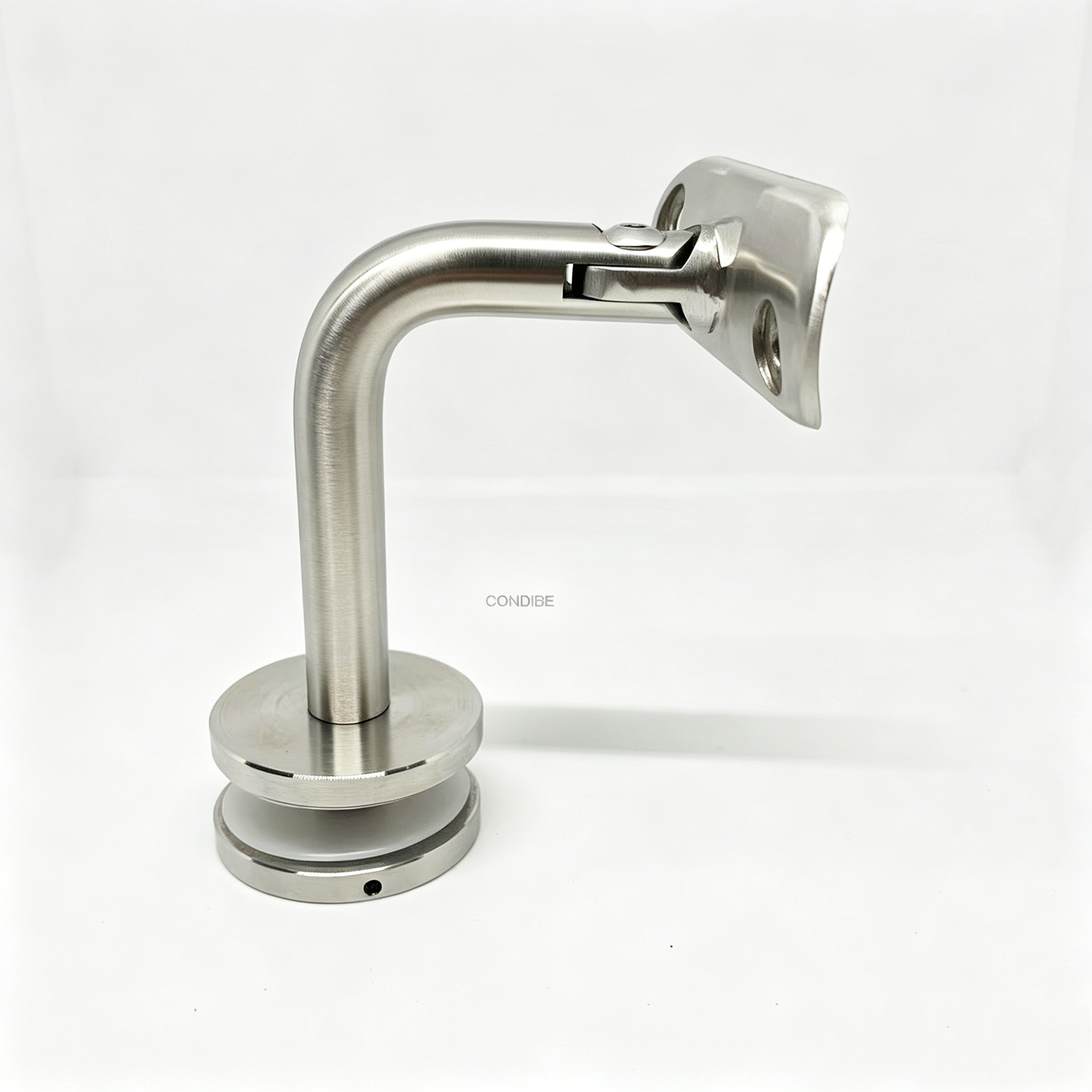
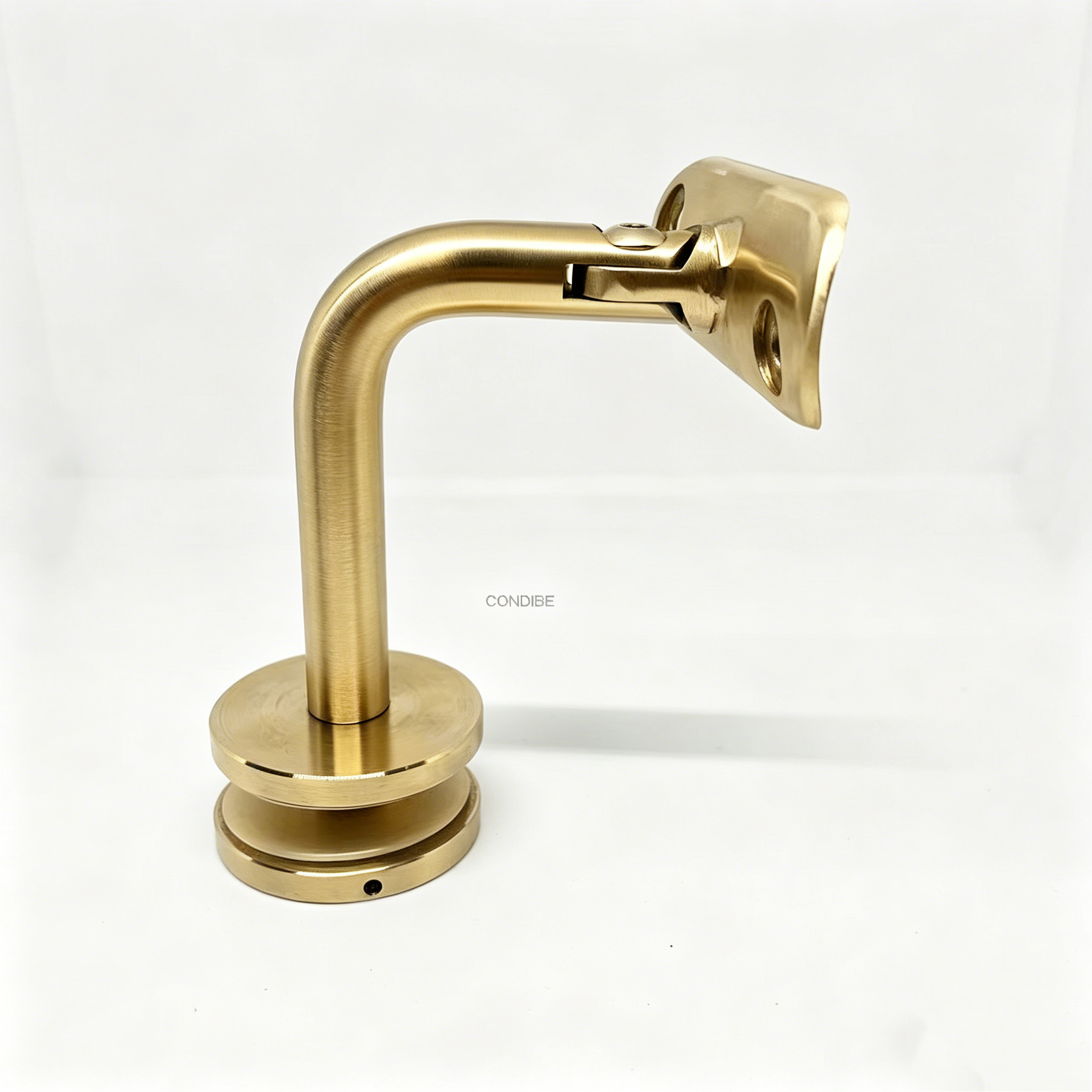

Description
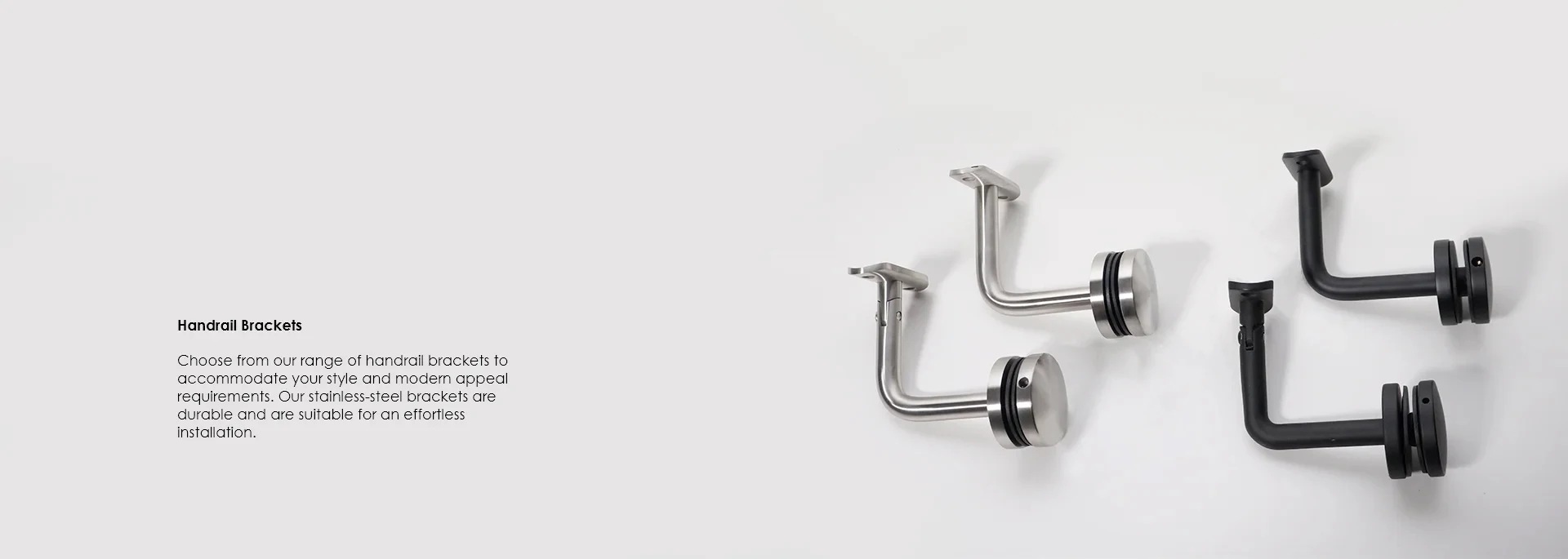
Handrail Brackets for Stairs: The Ultimate Guide to Safety, Style, and Code Compliance
Meta Description: Master the art of selecting and installing handrail brackets for stairs. Learn about ADA requirements, material choices (stainless steel vs. brass), and expert tips for secure wall mounting.
A staircase is more than just a functional path between floors; it is a central architectural feature of any home or commercial building. While the handrail itself often gets the spotlight, the handrail brackets for stairs are the silent heroes that ensure every step is taken with confidence. Choosing the right brackets is a critical decision that impacts not only the aesthetic of your space but also the safety and structural integrity of the entire railing system.
What Are Handrail Brackets for Stairs?
Handrail brackets are specialized hardware components used to secure a handrail to a wall or support post. They provide the necessary clearance for a comfortable grip and distribute the load applied by users to the underlying wall structure. Whether you are installing a new banister or retrofitting an existing one, understanding the different types of brackets is the first step toward a professional result.
Essential Types of Handrail Brackets
1. Fixed Handrail Brackets
These are the most common type, featuring a solid arm that holds the rail at a fixed angle. They are ideal for straight runs along hallways or consistent stair slopes.
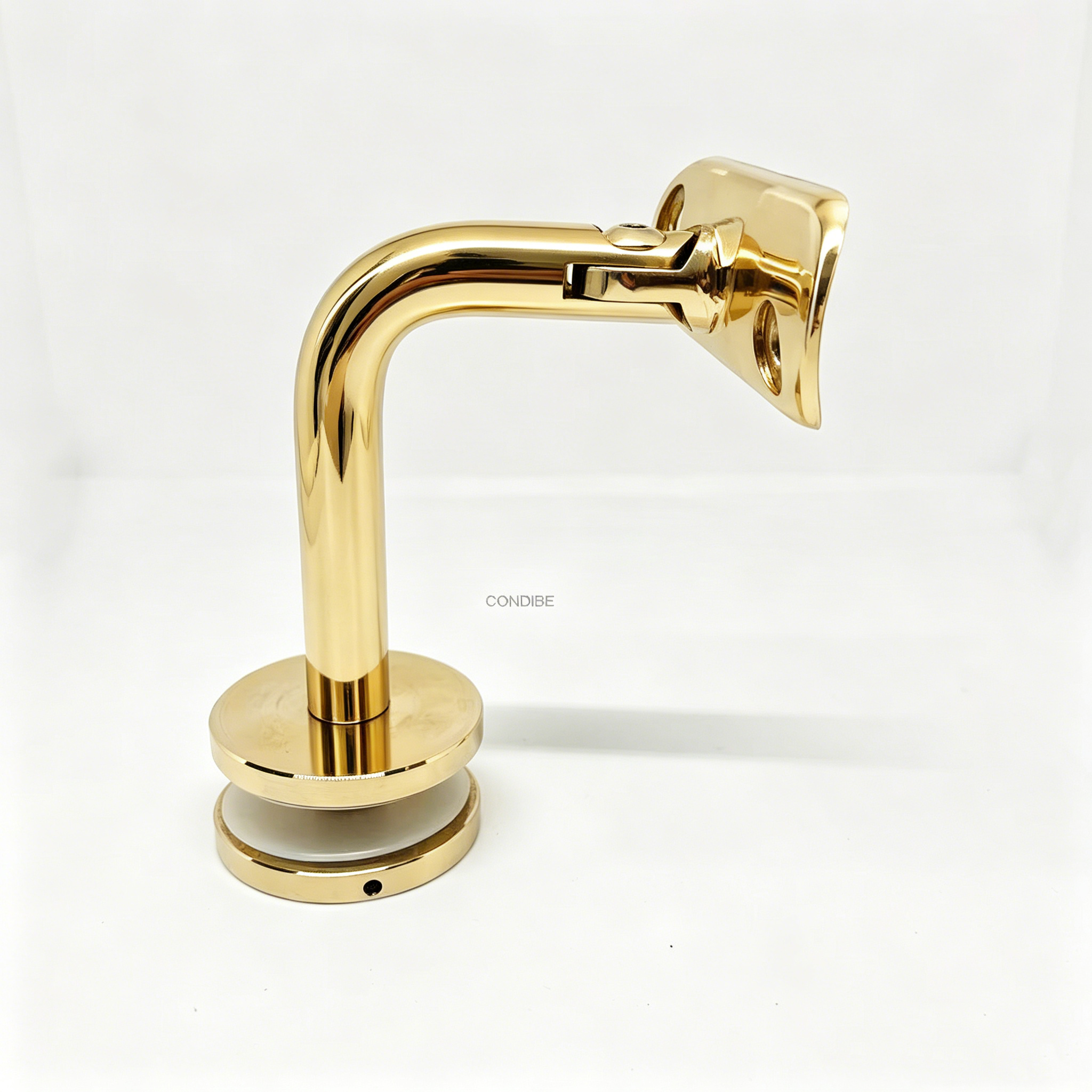
2. Swivel or Adjustable Brackets
Perfect for complex staircases with varying pitches, swivel brackets allow the head to pivot, ensuring the handrail sits flush against the mounting plate regardless of the angle.
3. Heavy-Duty Commercial Brackets
Designed for high-traffic environments like hospitals or schools, these brackets are often larger and made from reinforced materials to withstand significant weight and frequent use.
4. Decorative and Ornamental Brackets
For those looking to add a touch of personality, decorative brackets come in intricate designs—from vintage Victorian scrolls to sleek, ultra-modern geometric shapes.
Material Selection: Durability and Aesthetics
The material of your handrail brackets should complement your interior design while meeting environmental demands.
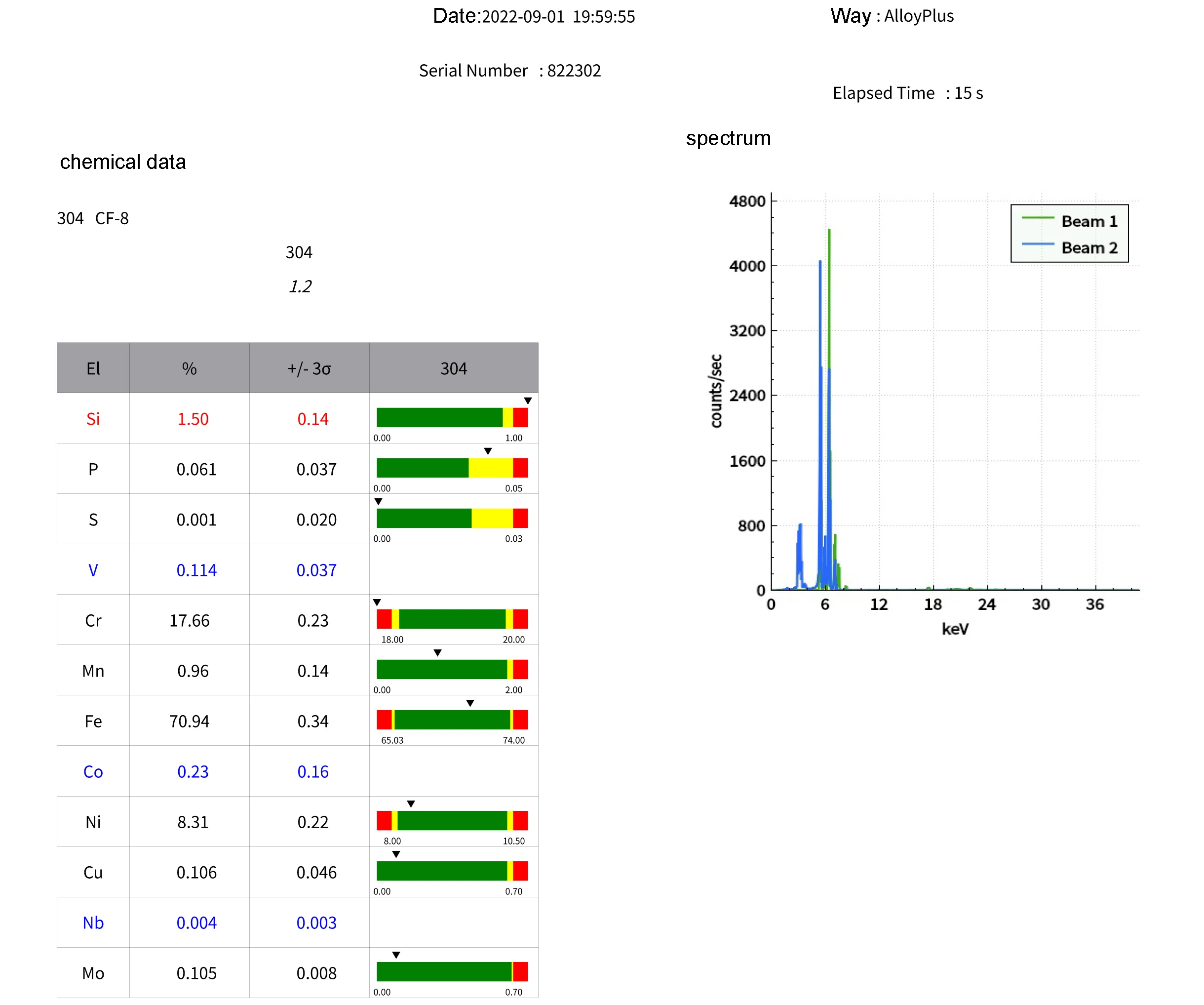
•Stainless Steel (304 & 316): The gold standard for modern design. Grade 304 is perfect for indoor use, while Grade 316 (marine-grade) is essential for outdoor stairs to prevent rust.
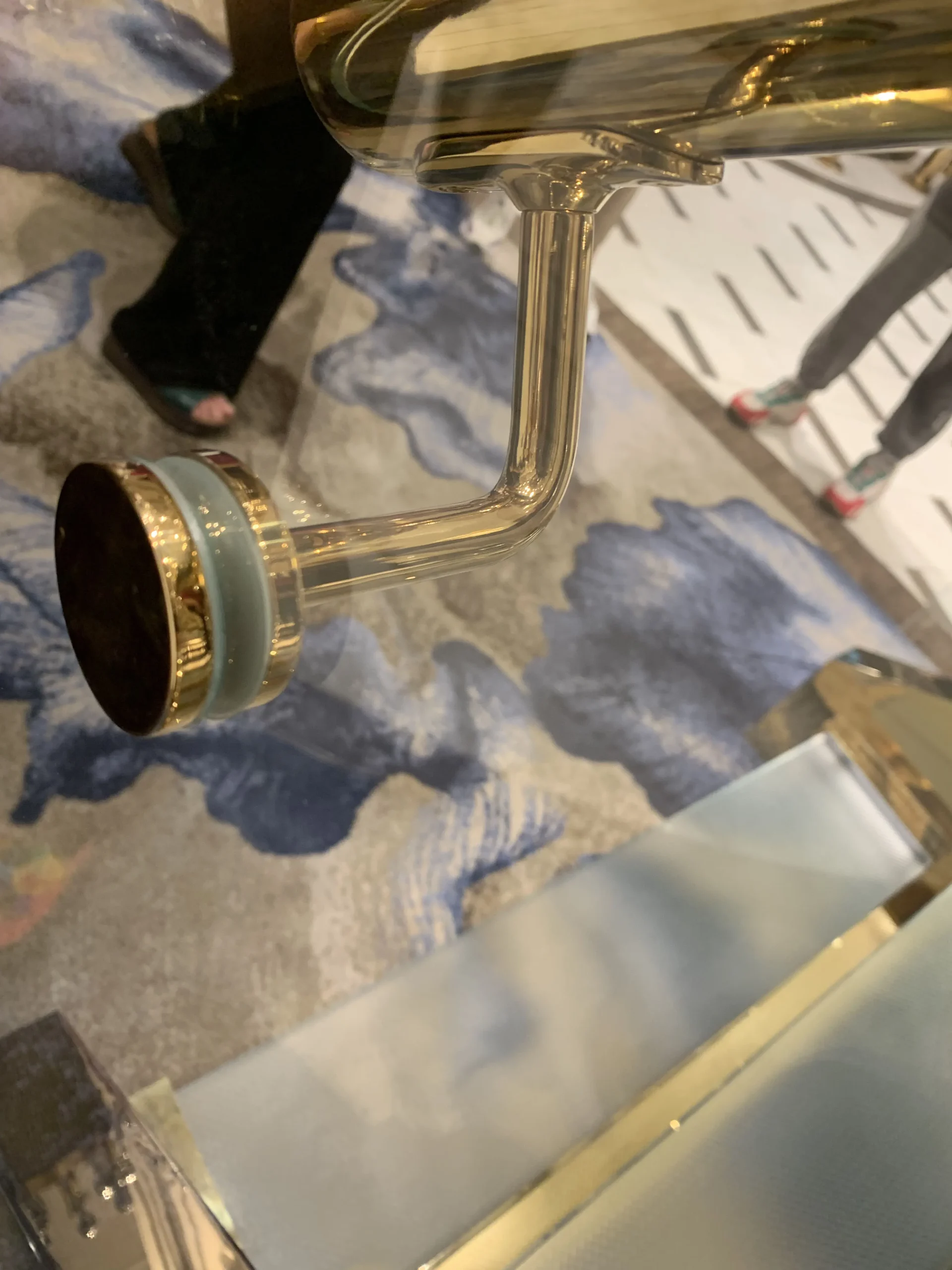
•Solid Brass: Offers a timeless, luxury feel and natural antimicrobial properties, making it a popular choice for high-end residential projects.
•Wrought Iron: Provides a rugged, industrial aesthetic and exceptional strength, often used in traditional or rustic settings.
•Aluminum: A lightweight, cost-effective option that is naturally resistant to corrosion, ideal for both indoor and outdoor applications.
ADA Compliance and Building Codes
Safety is not just a preference; it’s a requirement. To ensure your handrail brackets meet the standards set by the ADA (Americans with Disabilities Act) and the IBC (International Building Code), keep these rules in mind:
1.Height: Handrails must be installed between 34 and 38 inches above the stair nosing.
2.Wall Clearance: There must be a minimum of 1.5 inches of space between the wall and the handrail to allow for an unobstructed grip.
3.Continuous Path: The brackets must not interfere with the hand’s ability to slide along the rail. “L-shaped” brackets are often preferred because they support the rail from underneath.
4.Load Capacity: Brackets and the handrail must be able to withstand a concentrated load of 200 pounds applied in any direction.
Expert Installation Tips for a Secure Hold
A handrail is only as strong as its connection to the wall. Follow these professional tips for a “rock-solid” installation:
•Find the Studs: Never mount handrail brackets into drywall alone. Use a high-quality stud finder to locate the structural members (usually 16 inches apart) and secure your screws directly into the center of the stud.
•Pre-Drill Pilot Holes: To prevent the wood from splitting and ensure the screws go in straight, always drill pilot holes before driving in your mounting hardware.
•Use Long Screws: Standard 1-inch screws are not enough. Use at least 2.5-inch #12 screws to ensure deep penetration into the wall stud.
•Check for Level: Use a string line or laser level to ensure all brackets are perfectly aligned. Even a small deviation can cause the handrail to warp or feel unstable.
Maintenance and Care
To keep your handrail brackets looking their best:
•Regular Cleaning: Wipe down with a soft cloth and mild detergent. For stainless steel, use a dedicated cleaner to maintain the shine.
•Check for Looseness: Over time, vibration and use can loosen screws. Periodically check and tighten the mounting bolts to maintain safety.
Conclusion
Handrail brackets for stairs are a vital intersection of safety and design. By selecting the right material, adhering to ADA codes, and ensuring a secure installation into wall studs, you can create a staircase that is as beautiful as it is secure. Whether you prefer the sleek lines of brushed stainless steel or the classic warmth of polished brass, the right brackets are the foundation of a safe and stylish home.

Reviews
There are no reviews yet.