


Description
Elevating Spaces: The Unrivaled Advantages of Modern PVC Handrails
Introduction
In contemporary architecture and home improvement, the choice of handrail material significantly impacts both safety and aesthetic appeal. While traditional options have long dominated the market, PVC handrails (Polyvinyl Chloride) are rapidly gaining prominence, offering a sophisticated blend of durability, design flexibility, and environmental consciousness. This article explores the multifaceted benefits of advanced PVC handrail systems, delving into their technical superiority, diverse applications, and the innovative trends shaping their future. We aim to provide a comprehensive resource for homeowners, builders, and designers seeking a high-performance, low-maintenance solution that stands the test of time and style.
The Engineering Behind PVC Handrail Excellence
Modern PVC handrails are not merely plastic; they are engineered products designed for superior performance. Their composition often includes specialized additives that enhance their inherent properties:
1. Advanced Durability: Beyond Basic Resistance
Unlike their predecessors, today’s PVC handrails boast exceptional resilience. They are formulated with UV stabilizers that prevent degradation from prolonged sun exposure, ensuring color retention and structural integrity over decades . Furthermore, impact modifiers are incorporated to significantly increase their toughness, making them resistant to chipping, cracking, and warping, even in fluctuating temperatures . This advanced engineering means PVC handrails can withstand harsh weather conditions, from intense sunlight to freezing temperatures, without compromising their appearance or function.
2. Cellular vs. Hollow PVC: A Structural Advantage
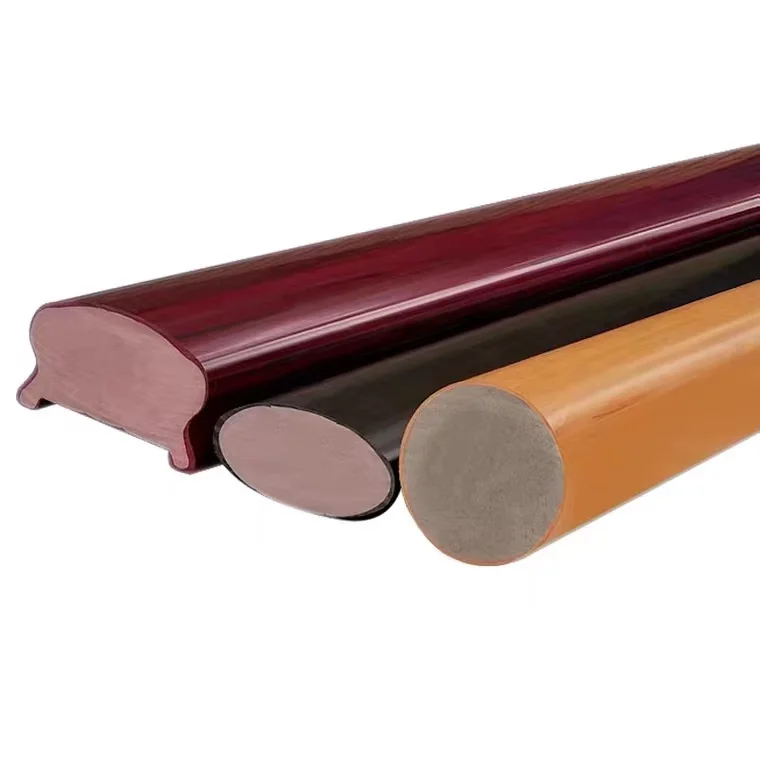
Understanding the internal structure of PVC handrails is crucial for appreciating their performance. While traditional hollow PVC offers lightweight and cost-effective solutions, cellular PVC represents a significant advancement. Cellular PVC is a solid, foamed material that mimics the density and workability of wood but retains all the benefits of PVC. This makes it ideal for applications requiring greater structural rigidity and a more substantial feel, often preferred in luxury installations . Both types offer distinct advantages depending on the specific project requirements, with cellular PVC providing enhanced durability and a premium aesthetic.
3. Unparalleled Low Maintenance
The promise of minimal upkeep is a cornerstone of PVC handrail appeal. Unlike wood, which demands regular painting, staining, or sealing to ward off rot, pests, and moisture damage, PVC handrails require virtually no such interventions. Their non-porous surface resists mold, mildew, and staining, making routine cleaning as simple as a quick wash with mild soap and water . This translates into significant long-term savings in both time and resources for property owners.
Aesthetic Versatility and Emerging Design Trends (2026)
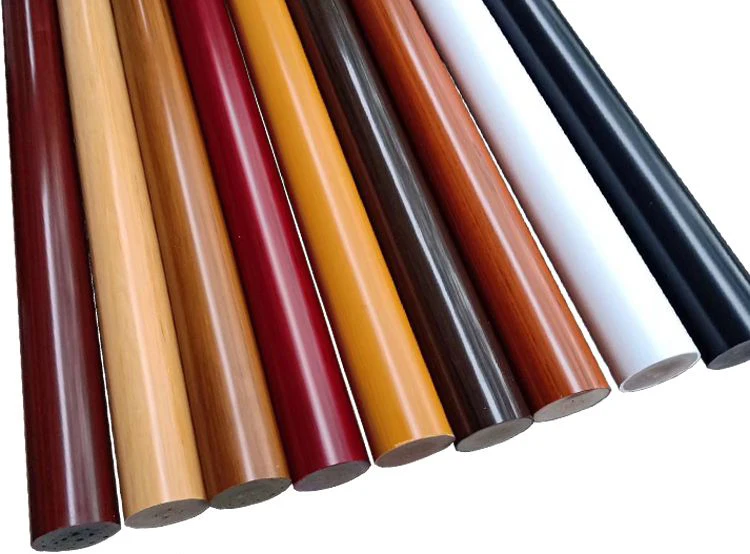
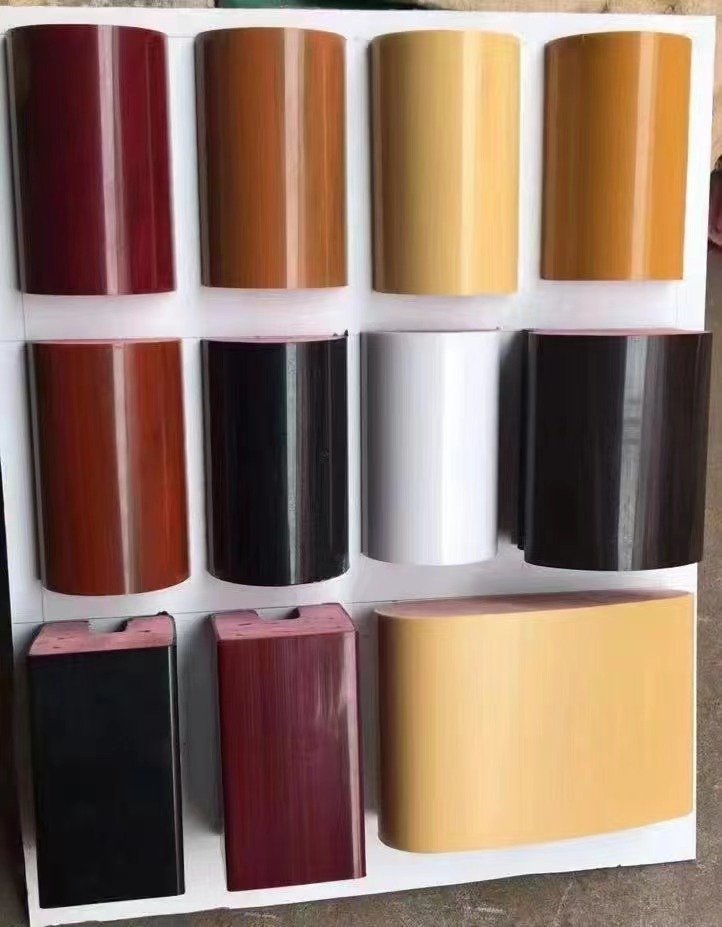
The evolution of PVC handrails extends far beyond mere functionality. Manufacturers are now offering an expansive palette of styles, textures, and colors, allowing for seamless integration into any design scheme. From classic profiles that emulate traditional wood to sleek, minimalist designs for contemporary spaces, PVC provides unmatched aesthetic flexibility.
Looking ahead to 2026, several design trends are emerging:
•Integrated Smart Lighting: PVC handrails are increasingly being designed to incorporate subtle LED lighting, enhancing safety and creating sophisticated ambient effects, particularly in modern and luxury homes .
•Glass Panel Integration: The combination of PVC handrails with clear or frosted glass panels is a growing trend, offering unobstructed views and a sense of openness, ideal for decks and balconies .
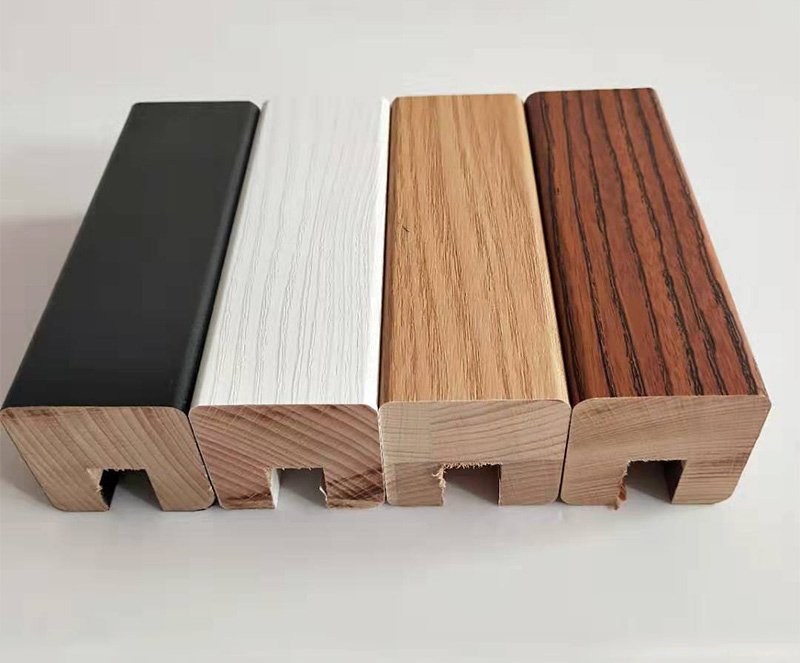
•Textural Finishes: Beyond smooth surfaces, PVC handrails are now available with textured finishes that mimic natural materials like wood grain or brushed metal, adding tactile appeal without the maintenance burden.
•Custom Profiles: Architects and designers are leveraging the moldability of PVC to create bespoke handrail profiles that align perfectly with unique architectural visions, pushing the boundaries of conventional design.
Sustainability and Environmental Considerations
The environmental impact of building materials is a growing concern. Modern PVC manufacturing processes are becoming increasingly sustainable, with a focus on energy efficiency and responsible sourcing. Furthermore, PVC handrails are often recyclable, contributing to a circular economy in the construction sector . Their extended lifespan also reduces the frequency of replacement, thereby minimizing waste over time.
PVC Handrails vs. Alternatives: A Refined Comparison
To highlight the distinct advantages of PVC, let’s consider a refined comparison with other popular materials:
|
Feature
|
Modern PVC Handrails
|
Wood Handrails
|
Aluminum Handrails
|
Composite Handrails
|
|
Core Composition
|
Cellular or Hollow PVC with UV stabilizers & impact modifiers
|
Natural timber (e.g., cedar, redwood, treated pine)
|
Extruded aluminum alloys
|
Wood fibers encapsulated in plastic (e.g., polyethylene, polypropylene)
|
|
Weather Resistance
|
Superior; impervious to moisture, rot, insects, and significant UV degradation
|
Vulnerable to rot, insect infestation, warping, and UV damage without treatment
|
Excellent; highly resistant to rust and corrosion
|
Good; resistant to rot and insects, but can fade or scratch
|
|
Maintenance Regimen
|
Minimal; occasional cleaning with soap and water
|
Intensive; requires regular sanding, painting/staining, and sealing
|
Low; occasional cleaning, but can show scratches
|
Low; occasional cleaning, may require specialized cleaners for stains
|
|
Design Adaptability
|
High; wide range of colors, textures, and custom profiles; integrates smart tech
|
Moderate; natural aesthetic, but limited by wood properties
|
High; sleek, modern profiles, but color options can be limited
|
Moderate; mimics wood, but design flexibility is constrained by manufacturing
|
|
Long-Term Value
|
Excellent; low lifecycle cost due to minimal maintenance and extended lifespan
|
Moderate; high lifecycle cost due to ongoing maintenance and potential replacement
|
Good; durable, but initial cost is higher
|
Good; balances durability with aesthetic appeal, but can be costly initially
|
|
Thermal Performance
|
Can warm in direct sun, but lighter colors mitigate heat absorption
|
Moderate heat retention
|
Can become very hot in direct sunlight, especially darker colors
|
Can warm in direct sun
|
Installation Best Practices and Longevity Tips
While PVC handrails are designed for ease of installation, adhering to best practices ensures optimal performance and longevity:
Installation Insights
•Code Compliance: Always verify local building codes and ADA requirements, especially concerning height, grip diameter, and extension lengths, to ensure safety and accessibility .
•Manufacturer Guidelines: Meticulously follow the manufacturer’s installation instructions. This is crucial for warranty validity and structural integrity.
•Proper Fasteners: Use corrosion-resistant fasteners specifically recommended for PVC to prevent staining and ensure secure attachment.
Maximizing Lifespan
•Gentle Cleaning: Avoid abrasive cleaners or harsh chemicals that can damage the PVC surface. A soft cloth or brush with mild soap and water is usually sufficient .
•Regular Inspection: Periodically check for any loose connections or minor damage. Addressing these promptly can prevent larger issues and extend the handrail’s life.
•Painting (Optional): If painting is desired, use a high-quality primer formulated for PVC/vinyl and an exterior-grade paint for durable adhesion and finish .
Frequently Asked Questions (FAQs)
Q1: Do PVC handrails become excessively hot under direct sunlight?
A: While any material exposed to direct sunlight will absorb some heat, PVC handrails, particularly lighter shades, generally perform better than darker metals in terms of heat retention. The advanced formulations with UV stabilizers also help in mitigating material degradation from heat .
Q2: Is it possible to paint PVC handrails for a custom look?
A: Yes, PVC handrails can be painted. For best results, it is essential to thoroughly clean the surface, apply a specialized primer designed for PVC or vinyl, and then use a high-quality exterior-grade paint. Proper preparation ensures good adhesion and a long-lasting finish .
Q3: What is the expected lifespan of PVC/vinyl railings?
A: With correct installation and minimal maintenance, high-quality PVC (often interchangeably referred to as vinyl in this context) handrails are engineered to last for several decades, typically 20-30 years or even longer. Their inherent resistance to environmental stressors is a key factor in their exceptional longevity .
Q4: Are PVC handrail systems compliant with ADA standards?
A: Many PVC handrail systems are specifically designed to meet or exceed ADA (Americans with Disabilities Act) compliance standards, especially those intended for public or commercial installations. These systems feature precise dimensions for height, grip, and extensions to ensure optimal accessibility and safety for all users. Always confirm that the chosen product meets the specific ADA guidelines relevant to your project .
Conclusion
Modern PVC handrails represent a paradigm shift in railing solutions, offering an unparalleled combination of advanced engineering, aesthetic versatility, and sustainable practices. Their exceptional durability, minimal maintenance requirements, and adaptability to contemporary design trends make them an intelligent investment for any property. By choosing PVC, you are not only opting for a safe and stylish solution but also embracing a future-forward material that delivers enduring value and performance. Elevate your space with the confidence and elegance that only modern PVC handrails can provide.
Reviews
There are no reviews yet.