



Product Detail

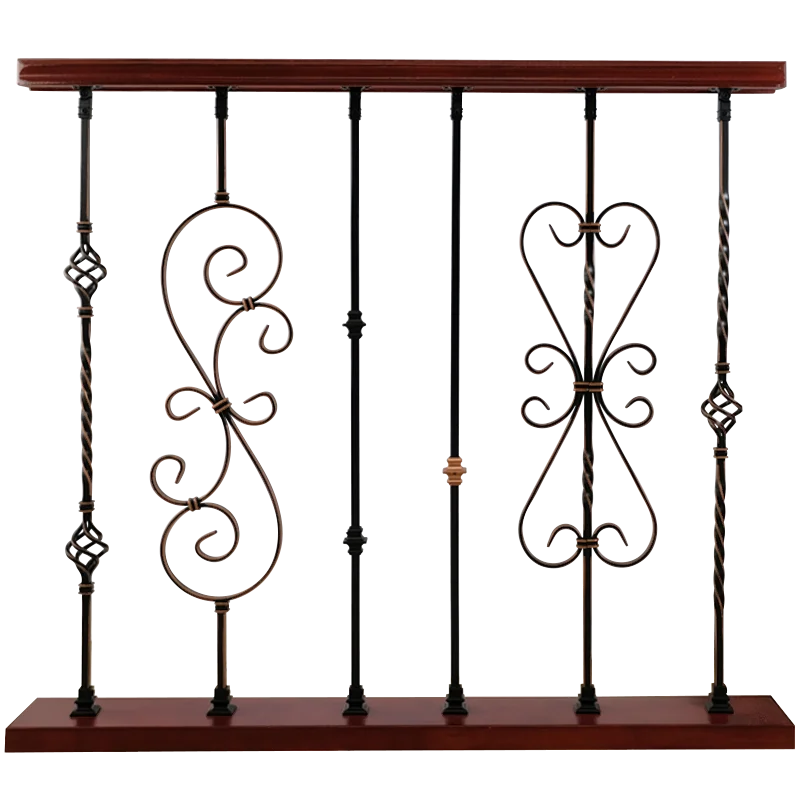
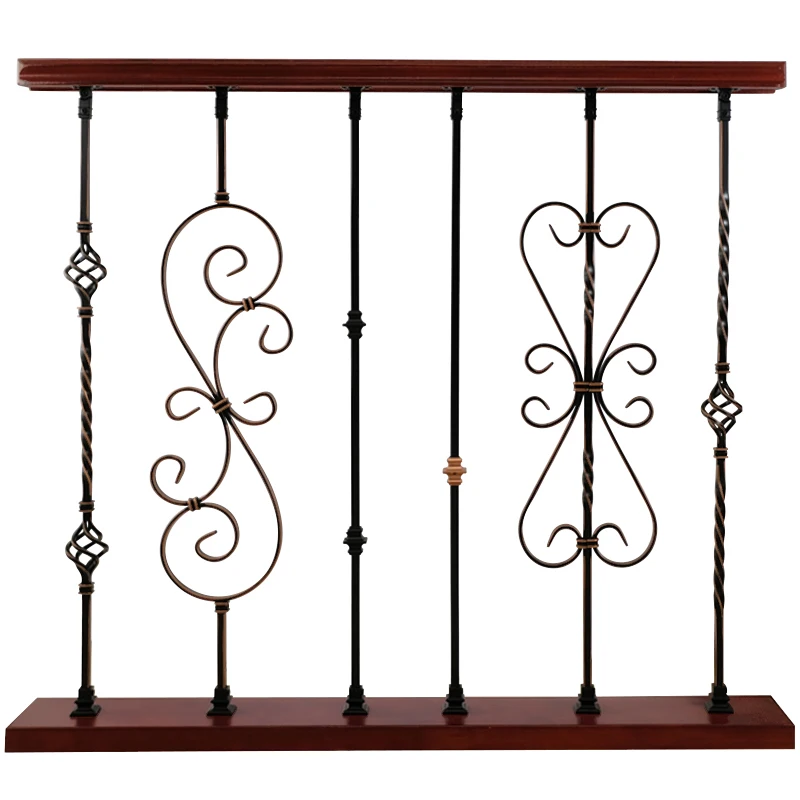
Condibe European Style Balcony steel railing for stairs

### Steel Railing Design for Balconies Balconies offer a unique outdoor space that enhances a home’s aesthetic and usable area. However, safety is a paramount concern, particularly when it comes to railings. Steel railings are increasingly popular for balconies due to their durability, design flexibility, and modern appeal. This article explores the essential aspects of steel railing design for balconies, including material selection, design considerations, safety standards, and maintenance tips. #### 1. Material Selection When designing steel railings, the choice of material is crucial. Common types of steel used in railing construction include: – **Stainless Steel**: Known for its corrosion resistance and aesthetic appeal, stainless steel railings are ideal for coastal areas or places with high humidity. It requires minimal maintenance and retains its luster over time. – **Mild Steel**: While more affordable, mild steel is prone to rust if not properly treated. It typically requires galvanization or powder coating to enhance durability and finish. – **Wrought Iron**: Though not as common, wrought iron can be an attractive option for railings. It is strong and allows for intricate designs, but it is heavier and may require more maintenance to prevent rust. Choosing the right steel type will depend on budget, aesthetic preferences, and environmental factors. #### 2. Design Considerations Designing a steel railing for a balcony involves balancing functionality, safety, and style. Here are key considerations: – **Height and Spacing**: Safety regulations typically require balcony railings to be at least 42 inches high. Additionally, infill spacing should not exceed 4 inches to prevent small children from slipping through. – **Style and Aesthetics**: Steel railings can complement various architectural styles, from modern minimalist to classic designs. Options include horizontal or vertical bars, custom patterns, or decorative accents like scrollwork. – **Finish**: The finish of the steel is important for both appearance and protection against the elements. Options include powder coating for color and texture, stainless steel polishing, or a combination of finishes for a sophisticated look. – **Integration with Other Elements**: Consider how the railing design will integrate with other balcony elements, such as planter boxes, lighting, and seating. A cohesive design enhances the overall appeal of the space. #### 3. Safety Standards Compliance with local building codes and regulations is essential when designing a steel railing. Key safety aspects include: – **Structural Integrity**: The railing must withstand forces from leaning or pulling. Working with a qualified structural engineer can ensure the railing is properly designed and installed. – **Load-Bearing Capacity**: Railings need to support the weight of individuals leaning against them. Confirming the load capacity during the design phase is critical for safety. – **Visibility and Transparency**: While steel is strong, incorporating glass or cable elements can enhance visibility without compromising safety. This allows for open views while still providing a secure barrier. #### 4. Maintenance Tips To maintain the appearance and functionality of steel railings, consider the following tips: – **Regular Inspections**: Periodically check for signs of rust, corrosion, or structural damage. Early detection can prevent more significant issues later. – **Cleaning**: Clean railings with a mild detergent and water to remove dirt and grime. For stainless steel, specialized cleaners can help maintain its shine. – **Reapplication of Protective Coatings**: If the railing is painted or coated, be sure to reapply protective finishes as needed to prolong their life. #### Conclusion Steel railings for balconies combine safety, durability, and aesthetic appeal, making them an excellent choice for both residential and commercial spaces. By carefully considering material selection, design elements, safety standards, and maintenance practices,

This product is currently out of stock and unavailable.

Share This Items :

Description


Product Description
Product Name
Condibe european style steel railing fence
Material
Steel
Color
Black
Standard
DIN GB ISO JIS BA ANSI
Sample
Avaible
Payment term
T/T, Western Union, Secure payment 30% payment in advance and balance against B/L;
Application
Stair,balcony fence,etc;
Finish
Painting

The Importance of steel railing for stairs: Style and Safety Combined

When it comes to home design, both functionality and aesthetics play a critical role. One element that often gets overlooked but is essential for safety is stair railings. Among the various materials available for railings, steel stands out as a top choice for its unique blend of durability, style, and security. Here’s an in-depth look at why steel railings are a perfect choice for stairs.

Durability and Strength

Steel railings are renowned for their robustness. Unlike wood or plastic, which can warp, crack, or deteriorate over time, steel railings withstand the elements and heavy use with ease. Whether indoors or outdoors, steel can maintain its integrity over years, providing peace of mind when the safety of family members and guests is concerned. The resilience of steel ensures that it won’t bend or break, making it particularly suitable for high-traffic areas such as staircases.

Stylish Options

Gone are the days when steel was synonymous with industrial, cold designs. Modern steel railings can be customized to suit a wide variety of aesthetics. Whether your home embodies a contemporary, minimalist style or a classic, ornate vibe, steel railings can be designed to fit seamlessly into any environment. Options abound—from sleek, powder-coated finishes in various colors to intricate designs featuring patterns and curves. Homeowners have the flexibility to choose styles that enhance the overall theme of their space.

Low Maintenance

Another noteworthy advantage of steel railings is the low level of maintenance they require. Unlike wooden railings that need regular painting or sealing to protect against moisture and pests, steel railings are generally treated to resist corrosion and rust. This low-maintenance aspect makes steel railings particularly appealing for busy families or individuals who prefer a more hands-off approach to home upkeep.

steel railing for stairs Safety Features

Safety is paramount when it comes to stair railings. Steel railings provide an extra layer of protection, preventing falls and offering support while ascending or descending stairs. With properly installed railings, the risk of accidents can be significantly minimized. Moreover, steel railing design for balcony can be designed to meet safety regulations,

Additional information

Material

Cast Iron

Reviews

There are no reviews yet.

Be the first to review “Condibe European Style Balcony steel railing for stairs”

Your email address will not be published. Required fields are marked *

Related Product