


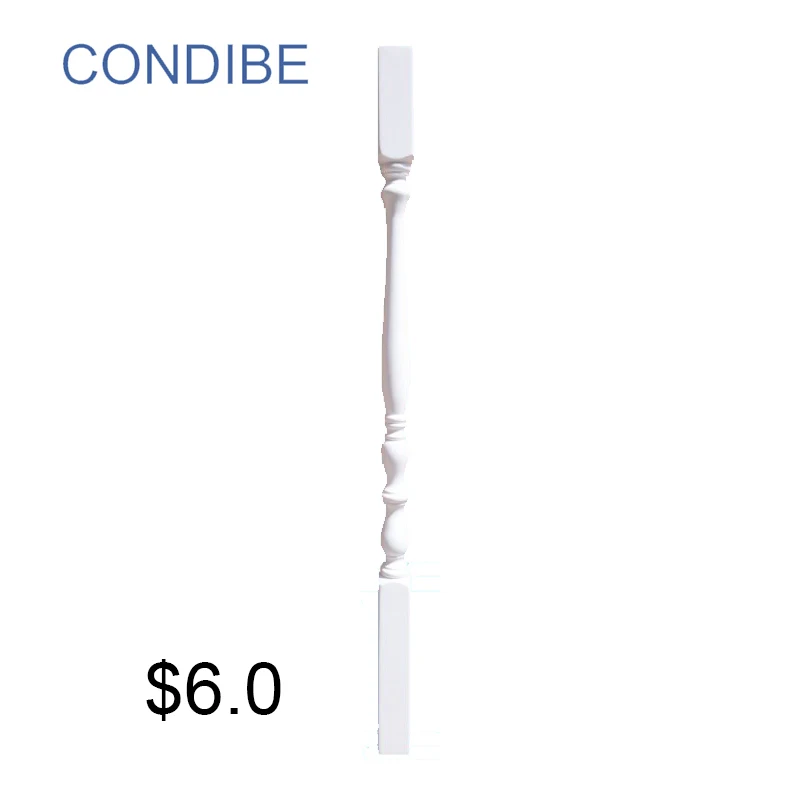
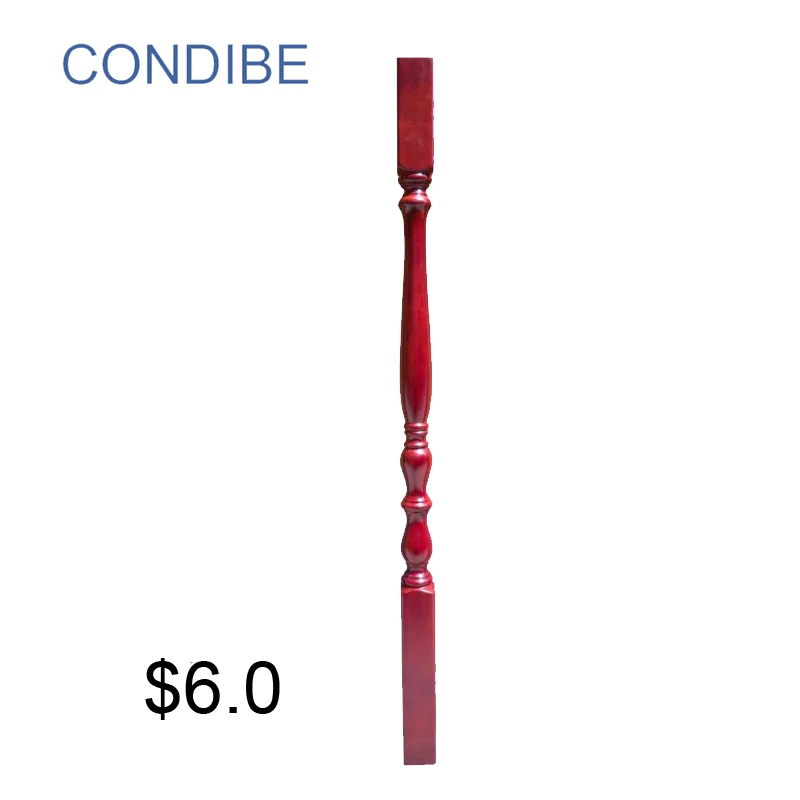
Description
Wood Railing: The Ultimate Guide to Styles, Installation, Maintenance & Benefits
When it comes to enhancing the safety, beauty, and value of your home or commercial space, few elements blend functionality and aesthetics like a high-quality wood railing. Whether you’re renovating your staircase, upgrading your deck, or adding a finishing touch to your balcony, wood railings offer timeless appeal, customization options, and durability that complements nearly any design style. In this comprehensive guide, we’ll cover everything you need to know about wood railings—from choosing the right type and material to professional installation tips, maintenance best practices, and why wood remains a top choice for homeowners and designers alike.
What Is a Wood Railing?
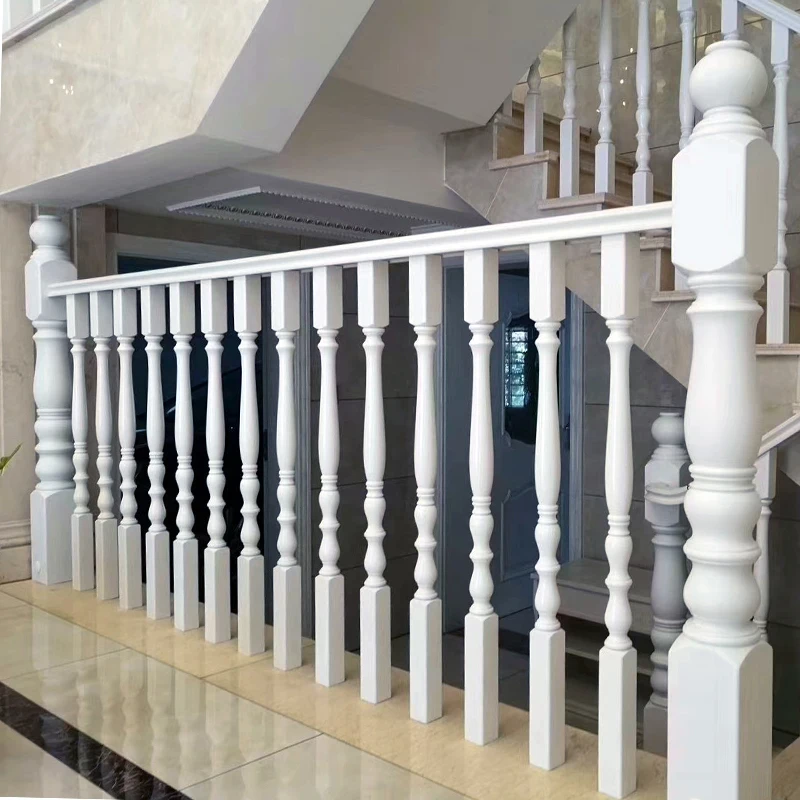
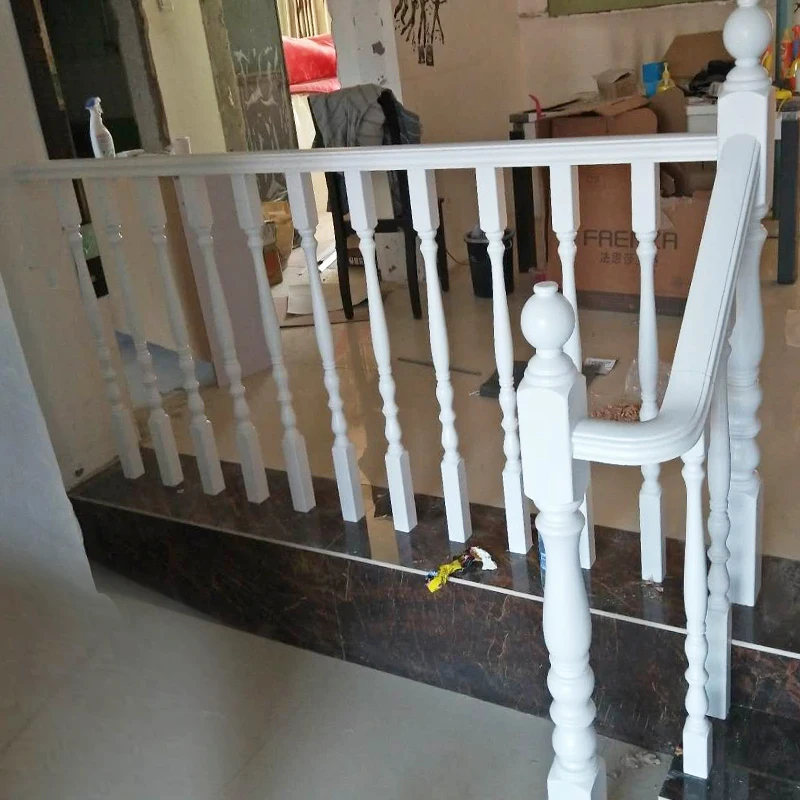
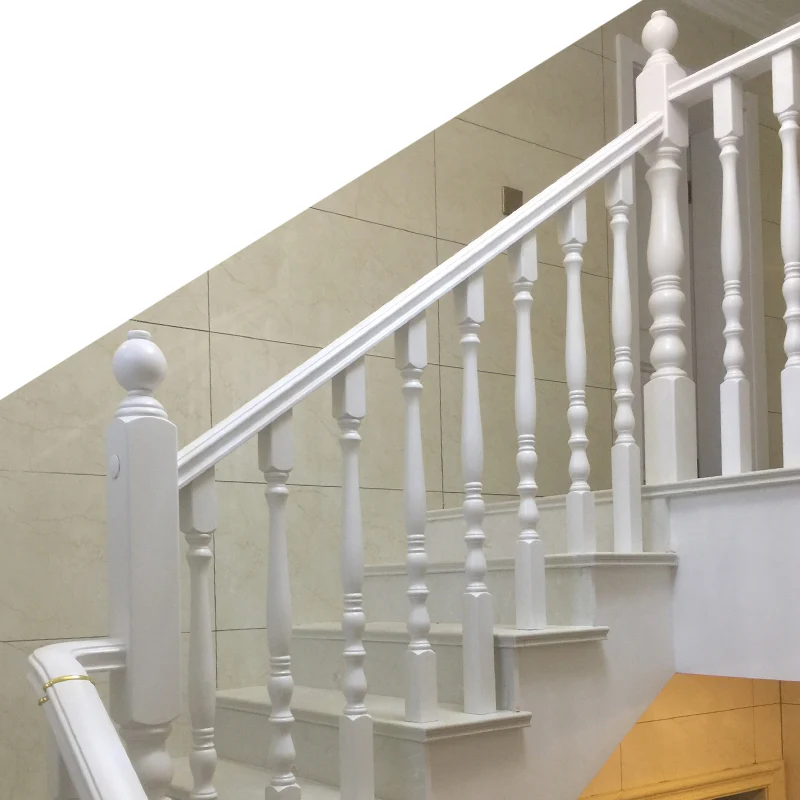
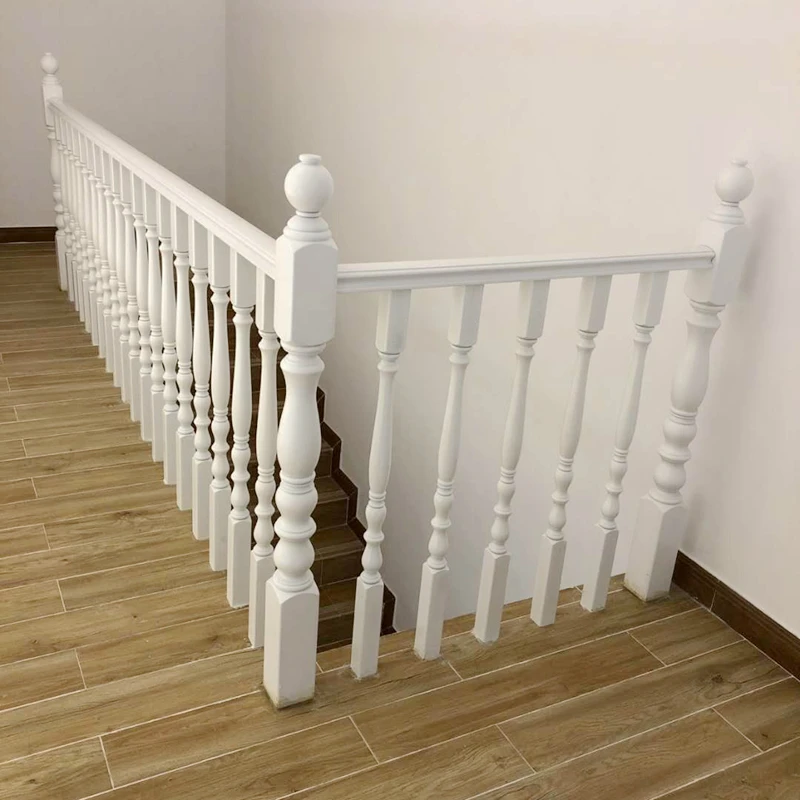
A wood railing is a structural barrier made from natural or engineered wood, designed to provide safety, support, and visual interest for stairs, decks, balconies, patios, and other elevated areas. Unlike metal or glass railings, wood railings bring warmth and a organic feel to any space, with the flexibility to be stained, painted, or carved to match your unique design vision. From classic traditional styles to sleek modern designs, wood railings are versatile enough to elevate both residential and commercial properties, making them a popular choice for anyone seeking a balance of form and function.
Types of Wood Railings: Choose the Perfect Style for Your Space
Wood railings come in a variety of styles, each tailored to different design preferences, use cases, and architectural themes. Understanding the most common types will help you select the ideal option for your project, whether you’re aiming for a cozy cottage vibe or a contemporary look.
1. Traditional Wood Railing
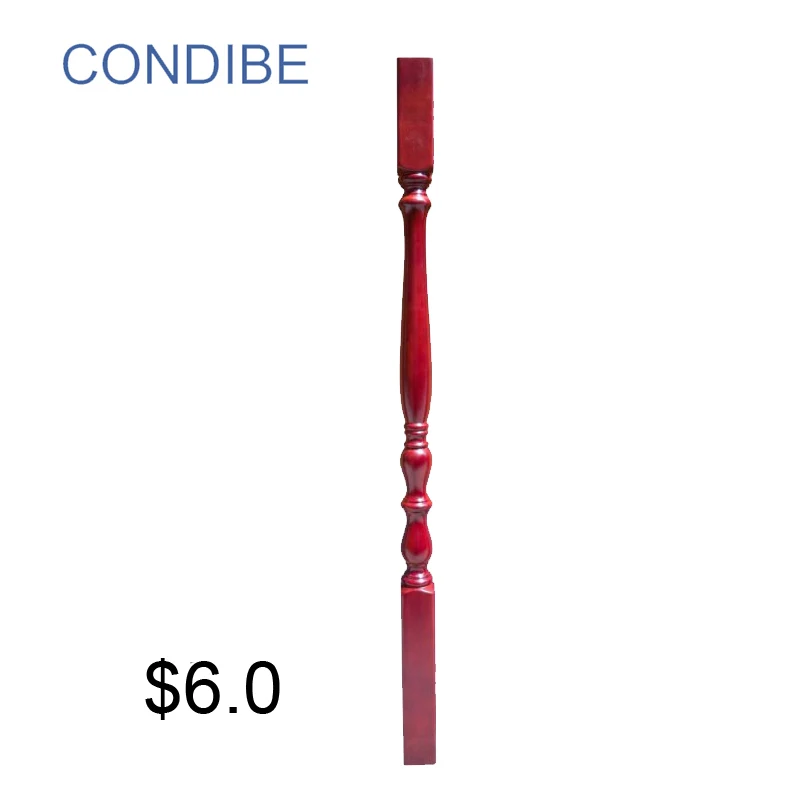
Traditional wood railings are characterized by their classic, timeless design, featuring solid wood handrails, base rails, and balusters (spindles) with intricate details or simple, clean lines. Often crafted from hardwoods like oak, maple, or mahogany, these railings showcase craftsmanship and pair beautifully with traditional homes, historic renovations, or interior staircases in dry environments. Traditional railings may include carved balusters, turned newel posts, or decorative accents that add a touch of elegance to any space.
2. Modern Wood Railing
Modern wood railings embrace minimalist design, with sleek, straight lines, geometric baluster patterns, and often incorporate mixed materials like metal or glass for a contemporary twist. These railings use engineered wood for added stability and are customizable to match open-concept spaces, modern homes, or minimalist interiors. Unlike traditional styles, modern wood railings prioritize simplicity and functionality, with clean finishes that highlight the natural beauty of the wood without excessive ornamentation.
3. Timber Wood Railing
Timber wood railings are built from dense, high-quality hardwoods (such as teak, cedar, or tropical hardwoods) engineered for strength and longevity. Ideal for high-traffic areas or exposed outdoor spaces (like decks and patios), timber railings offer exceptional durability, natural resistance to wear and impact, and develop a rich patina over time. While they come with a higher material and installation cost, timber railings are a premium choice that enhances property value and stands up to harsh weather conditions.
4. Wood & Metal Combination Railing
For those seeking the best of both worlds, wood and metal combination railings pair wooden handrails with metal balusters (steel, iron, or aluminum). This hybrid design blends the warmth of wood with the industrial strength and low maintenance of metal, creating a versatile option that works for both traditional and modern spaces. The metal balusters add structural support, while the wooden handrail provides a comfortable grip and aesthetic appeal—making this style a popular choice for decks, stairs, and balconies.
Best Wood Materials for Railings: Durability & Aesthetics
The success of your wood railing depends largely on the type of wood you choose. Different woods offer varying levels of durability, resistance to moisture and pests, and aesthetic qualities. Below are the top wood materials for railings, along with their key benefits and ideal uses:
1. Cedar
Cedar is a popular choice for outdoor wood railings (decks, patios, balconies) due to its natural resistance to rot, insects, and moisture. It has a warm, reddish-brown tone that ages beautifully to a silvery gray over time, and it’s lightweight yet strong—making it easy to install. Cedar is also naturally aromatic and requires minimal maintenance, making it ideal for homeowners who want a low-effort, long-lasting railing option.
2. Pressure-Treated Pine
Pressure-treated pine is an affordable, durable option for outdoor railings. Treated with chemicals to resist rot, insects, and decay, this wood is ideal for high-moisture areas like decks and patios. While it has a more utilitarian look than cedar or hardwoods, pressure-treated pine can be stained or painted to match any design style, making it a budget-friendly choice for homeowners.
3. Oak (Red & White)
Oak is a hardwood known for its strength, durability, and classic appearance—making it perfect for interior wood railings (stairs, balconies). Red oak has a warm, reddish hue with prominent grain patterns, while white oak is lighter in color and more resistant to moisture. Oak railings are highly customizable, can be stained to enhance their natural beauty, and are built to last for decades with proper maintenance.
4. Teak
Teak is a premium hardwood prized for its exceptional durability, natural resistance to rot, insects, and harsh weather. It has a rich, golden-brown tone that ages to a beautiful silvery gray, and it’s often used for high-end outdoor railings (luxury decks, patios) and commercial spaces. While teak is more expensive than other woods, its longevity and low maintenance make it a worthwhile investment for those seeking a premium railing option.
5. Mahogany
Mahogany is a luxurious hardwood with a deep, rich reddish-brown color and a smooth, fine grain. It’s highly durable, resistant to rot and insects, and is often used for interior railings in high-end homes, as well as outdoor railings in sheltered areas. Mahogany railings add a touch of elegance and sophistication to any space, and they can be polished to a high shine or stained to preserve their natural color.
Wood Railing Installation: Step-by-Step Guide (DIY vs. Professional)
Installing a wood railing requires careful planning, precise measurements, and attention to safety codes. While DIY installation is possible for experienced homeowners, professional installation ensures compliance with local building codes and guarantees a secure, long-lasting result. Below is a step-by-step overview of the installation process, along with key tips to keep in mind:
Pre-Installation Preparation
1. Check Local Codes: Before starting, verify local building codes for handrail height (typically 34–38 inches above stair nosing for interior stairs, 36 inches for decks), baluster spacing (no more than 4 inches apart to prevent falls), and post spacing (no more than 8 feet apart for structural strength).
2. Gather Materials & Tools: You’ll need wood posts (4×4 pressure-treated for decks, newel posts for stairs), top and bottom rails, balusters, mounting brackets, screws, nails, wood glue, a drill, miter saw, level, tape measure, wood filler, sandpaper, and safety gear.
3. Measure & Plan: Mark post locations, measure the length of rails, and ensure all measurements are precise to avoid gaps or uneven spacing. For stairs, measure the angle of the stairs to cut rails at the correct slope.
Step 1: Install Posts
For decks, notch posts to fit over joists, clamp them securely, and fasten with carriage bolts for superior stability.
lass=”yoast-text-mark” />lass=”yoast-text-mark” />>When installing on stairs, anchor the bottom newel posts directly to the stair stringer or framing so they can fully support the railing.
On concrete or masonry surfaces, pre-drill holes and use masonry screws or anchors to attach the post anchor plate firmly.
Step 2: Attach Rails
Cut top and bottom rails to length, mitering the ends if needed to fit the angle of the posts. Use a level to ensure rails are straight before fastening them to the posts. Secure bottom rails with L-brackets and top rails with blocks or faced brackets for a clean, secure fit. For easier installation, consider using a rail installation kit, which includes all necessary hardware for a seamless setup.
Step 3: Install Balusters
Space balusters no more than 4 inches apart (to meet safety codes) and drill holes in the bottom rail or tread to secure them. Glue and toe-nail balusters into place, ensuring they are plumb and straight. The first baluster should be placed ½ inch from the stringer or post, with the remaining balusters spaced evenly.
Step 4: Finish the Railing
Sand all surfaces smooth (starting with coarse grit sandpaper and moving to fine grit), fill any nail or screw holes with wood filler, and sand again. Prime the wood, then apply at least two coats of stain, sealer, or paint to protect it from moisture, UV rays, and wear. Allow proper drying time between coats before using the railing.
DIY vs. Professional Installation
DIY installation is a great option for experienced homeowners with the right tools and skills, as it can save money on labor costs. However, if you’re unsure about code compliance, have complex stairs or uneven surfaces, or want a flawless finish, professional installation is recommended. Professionals have the expertise to handle tricky measurements, ensure structural integrity, and complete the job efficiently—saving you time and avoiding costly mistakes.
Wood Railing Maintenance: Keep Your Railing Looking Like New
With proper maintenance, a wood railing can last for decades, retaining its beauty and structural integrity. The key to maintaining wood railings is to protect them from moisture, UV rays, and wear—whether they’re indoors or outdoors. Below are essential maintenance tips to follow:
1. Regular Cleaning
Dust indoor wood railings regularly with a soft, lint-free cloth or microfiber duster to prevent dust buildup, which can scratch the finish. For outdoor railings, clean them annually with a mild soap solution and a soft brush, rinsing thoroughly with water. Avoid using abrasive cleaners or excessive water, as these can damage the wood or finish.
2. Inspect for Damage
Inspect your wood railing regularly for signs of rot, cracks, loose components, or insect infestation. Look for soft spots (indicating decay or water damage), boreholes (sign of wood-boring insects), or loose balusters/posts. Address small issues early to prevent them from worsening—use wood filler for small cracks, epoxy for larger cracks, and replace rotted sections if necessary.
3. Refinish Every 2–3 Years
Outdoor wood railings should be refinished every 2–3 years (or as needed) to protect them from the elements. Sand the surface to remove old stain/paint, apply a new coat of sealer or stain, and finish with a protective topcoat. Indoor railings may need refinishing less frequently—every 4–5 years—depending on traffic and wear.
4. Protect from Moisture
Moisture is the biggest enemy of wood railings, as it can cause warping, rot, and mold. For outdoor railings, ensure they are properly sealed and avoid placing them in areas with standing water. For indoor railings, keep them away from direct water sources (like sinks or showers) and use a dehumidifier in humid areas to prevent moisture buildup.
5. Polish Occasionally
To keep your wood railing looking its best, apply a wood polish or conditioning product every few months. This nourishes the wood, enhances its natural luster, and provides additional protection against wear and tear. Be sure to use a product compatible with your wood’s finish (lacquer, oil, wax) and follow the manufacturer’s instructions.
Why Choose Wood Railings? Key Benefits
Wood railings offer numerous advantages over other materials (like metal, glass, or vinyl), making them a top choice for homeowners and designers. Here are the key benefits of choosing wood railings for your space:
1. Timeless Aesthetics
Wood has a warm, natural beauty that never goes out of style. It complements nearly any design style—from traditional to modern, rustic to contemporary—and adds a cozy, inviting feel to any space. Unlike synthetic materials, wood develops a unique patina over time, enhancing its character and charm.
2. High Customization
Whether you want intricate carvings, simple straight lines, or a mixed-material design, wood can be tailored to your preferences.
3. Durability & Longevity
When properly maintained, wood railings are extremely durable and can last for decades. Hardwoods resist wear; softwoods last with little upkeep.
4. Eco-Friendliness
Wood is renewable, biodegradable, and eco-friendly.
Choosing sustainable wood options helps reduce your carbon footprint and supports responsible forestry practices.
5. Increased Property Value
A well-installed, well-maintained wood railing can increase the value of your property.
6. Comfort & Safety
Wood railings offer safe, comfortable, sturdy support.When installed to code, wood railings effectively prevent falls and provide peace of mind.
Common Wood Railing Mistakes to Avoid
To ensure your wood railing is safe, durable, and visually appealing, avoid these common mistakes:
- Ignoring Local Codes: Failing to follow building codes for height, baluster spacing, or post spacing can lead to safety hazards and potential fines. Always check local regulations before installation.
- Wrong wood causes early rot and damage. Select wood that is appropriate for your space’s moisture levels and exposure to the elements.
-
Poor Installation: Uneven baluster spacing, loose posts, or improper fastening can compromise the structural integrity of the railing. Take the time to measure accurately and follow installation best practices.
- Neglecting Maintenance: Skipping regular cleaning, refinishing, or inspections can lead to rot, mold, and damage, shortening the lifespan of your railing.
-
Overlooking Moisture Protection: Failing to seal or stain outdoor wood railings can lead to warping, rot, and mold. Always protect wood from moisture to ensure longevity.
Final Thoughts: Is a Wood Railing Right for You?
Wood railings are a versatile, timeless, and practical choice for any home or commercial space.
- Wood combines beauty, durability, and customization.
- Choose quality wood and maintain it for long life.
- Pick a railing that fits your style and budget.
- A wood railing upgrades your space for years.




Reviews
There are no reviews yet.