Exploring Cable Railing Systems: A Modern Solution for Safety and Style
Cable railing systems have rapidly gained popularity in both residential and commercial settings as an alternative to traditional railing options. This innovative design not only enhances the aesthetic appeal of a space but also provides practical benefits that make it a preferred choice for modern architecture. In this article, we will explore the various features, advantages, applications, and considerations associated with cable railing systems.
What Are Cable Railing Systems?
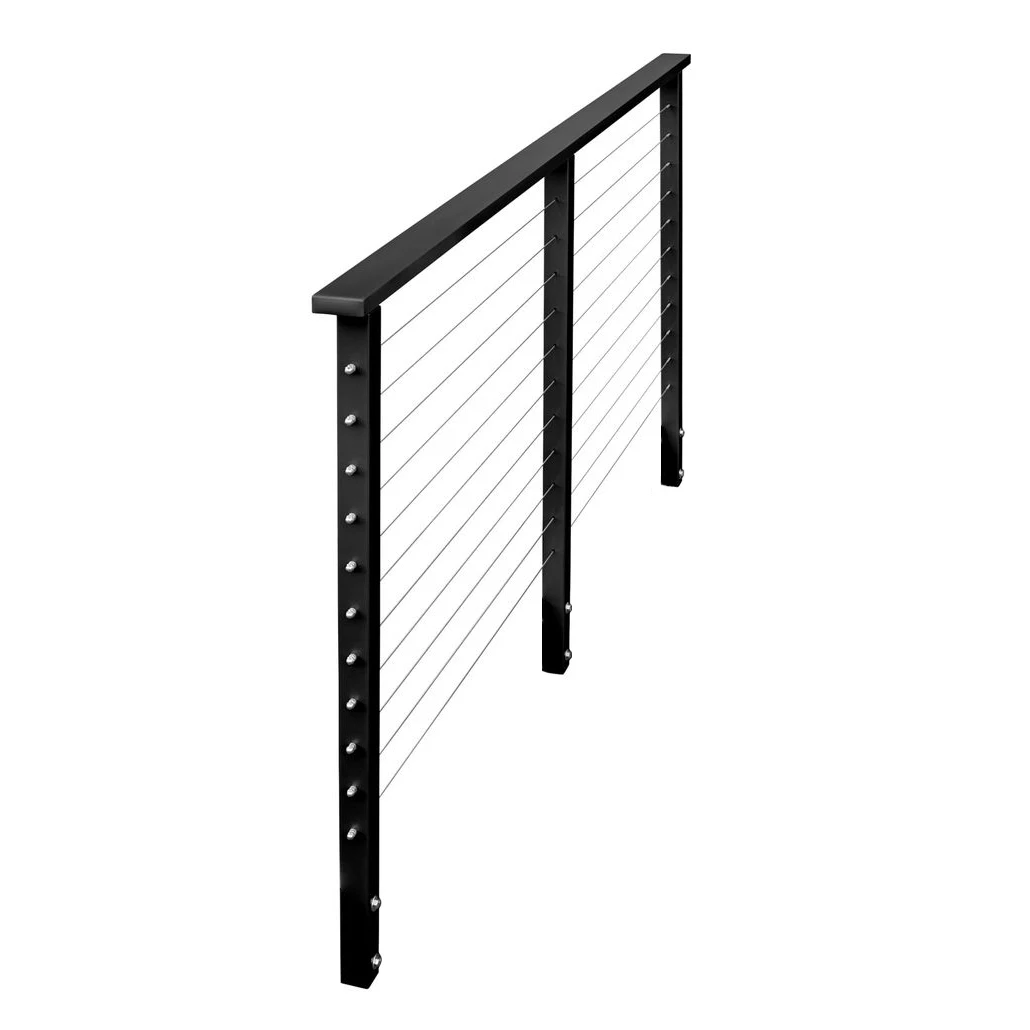
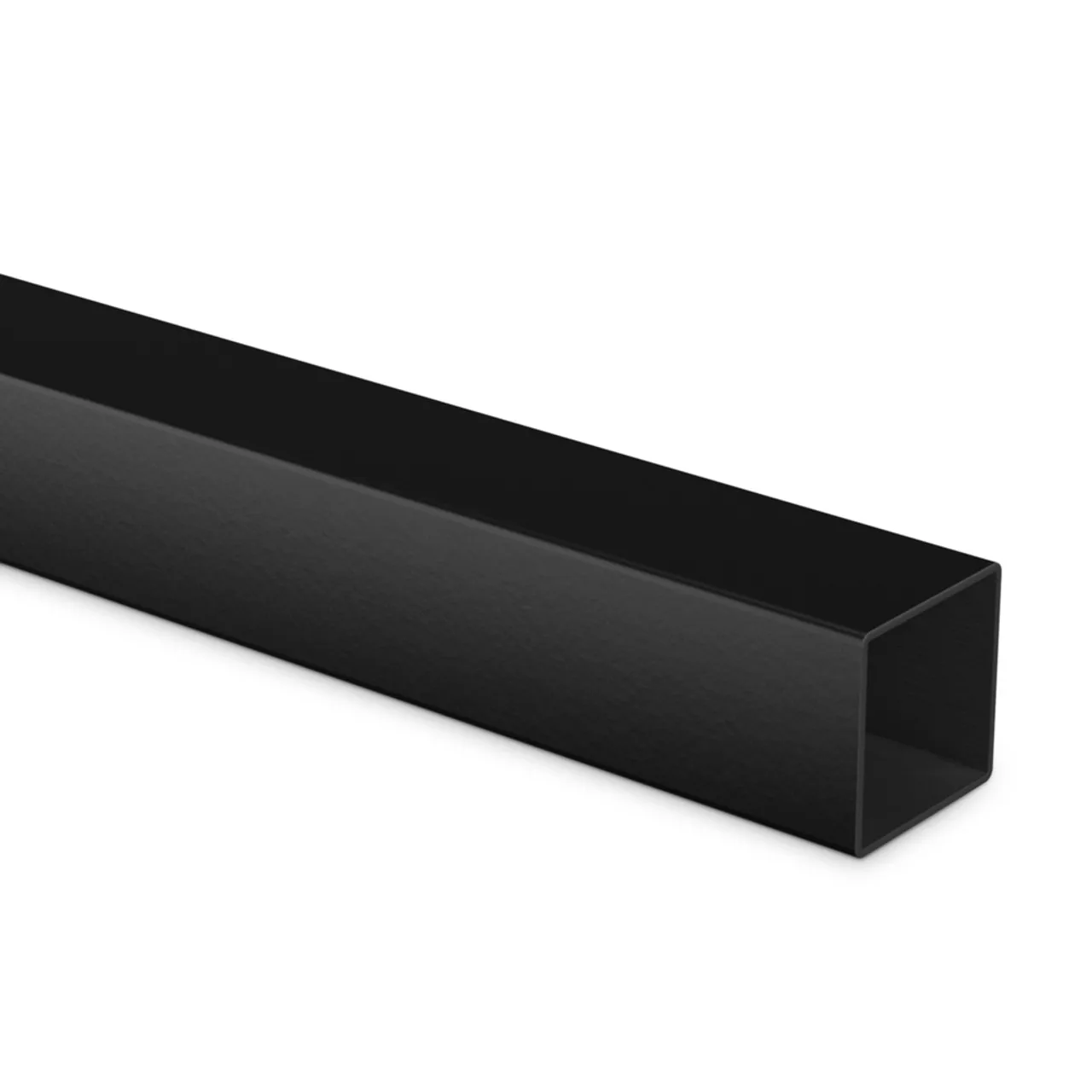
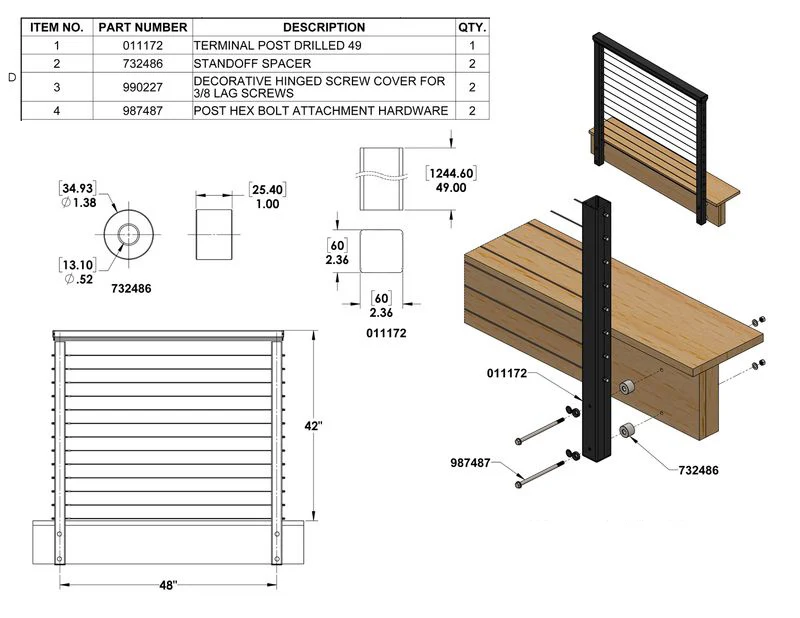
Cable railing systems consist of a series of horizontal or vertical cables secured between posts, creating a sleek and unobtrusive barrier. Typically made of stainless steel, these cables offer exceptional strength and durability while maintaining a minimalist appearance. The posts can be constructed from various materials, including wood, aluminum, or also stainless steel, allowing for design flexibility and compatibility with different architectural styles.
Aesthetic Appeal
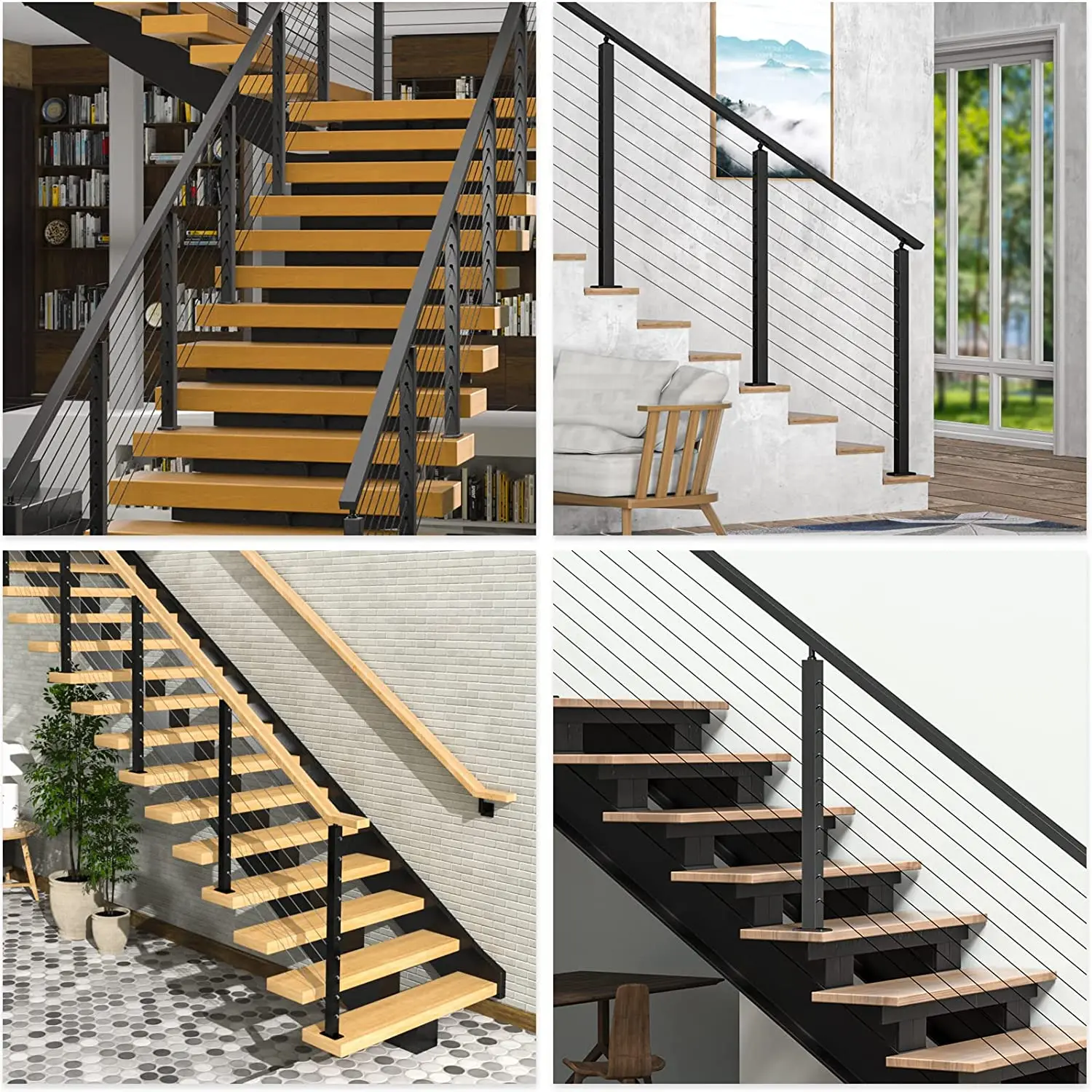
One of the most significant selling points of cable railing systems is their aesthetic versatility. The minimalist design of the cables creates an open and airy feeling, which is particularly beneficial in spaces with stunning views. The transparency of the cables allows for unobstructed sightlines, making them ideal for decks, patios, balconies, and staircases. This modern look can seamlessly blend with contemporary homes, urban lofts, and even rustic settings, providing a unique visual appeal that can elevate any design.
Safety and Compliance
Safety is a primary concern when it comes to any railing system, and cable railings are no exception. These systems are designed to meet or exceed building codes and safety standards. The tensioned cables provide a strong barrier that can withstand significant force, ensuring stability and safety for individuals using stairs or elevated platforms. The closely spaced cables also serve as a deterrent, preventing small children and pets from slipping through, making them a family-friendly choice.
Durability and Longevity
Cable railing systems offer remarkable durability, especially when constructed from high-quality materials such as stainless steel. The cables are resistant to corrosion, rust, and fading, which allows them to withstand various environmental conditions, whether it be salty air near the ocean or harsh winters. This robustness translates to a longer lifespan and reduced maintenance compared to traditional wood railings, which are prone to rotting, splintering, and require regular upkeep.
Low Maintenance
Maintaining cable railing systems is relatively straightforward. Regular cleaning with mild soap and water is usually sufficient to keep the cables looking their best.In contrast to wood railings that need regular painting, cable systems require minimal effort for ongoing maintenance.Moreover, this low maintenance requirement is particularly attractive to homeowners and business owners who value convenience and simplicity.
Installation Considerations
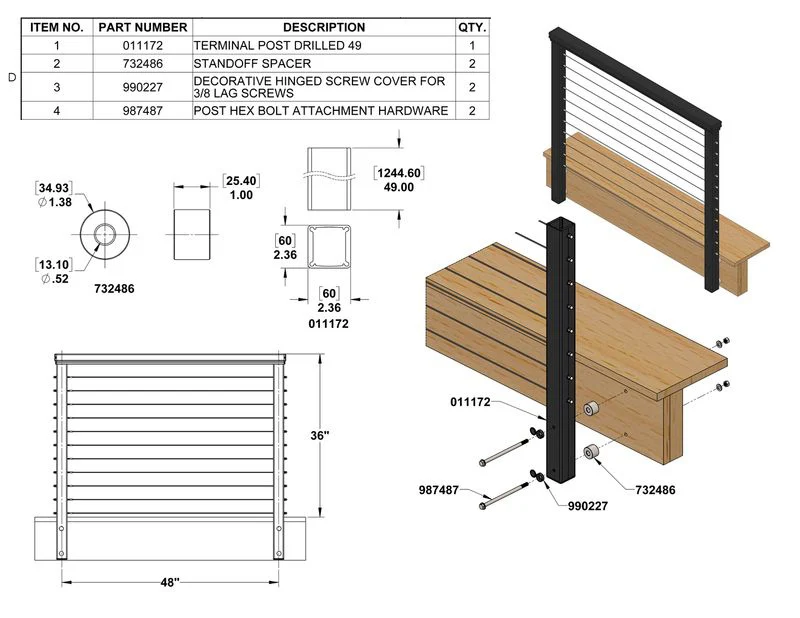
Furthermore, maintenance can be required to ensure the cables remain taut. Additionally, installation requires specific tools and skills; furthermore, proper installation ensures safety and functionality.Therefore, work with pros for proper cable railing installation. Furthermore, homeowners must consider local codes as cable requirements vary.
Conclusion
Cable railing systems are an excellent choice for those looking to enhance the safety and aesthetics of their spaces. Offering modern design, durability, and low maintenance, they are a functional and stylish solution for various applications, from residential decks to industrial buildings. As more people embrace contemporary designs and prioritize safety, cable railings are likely to remain a sought-after option in architectural landscapes.




Reviews
There are no reviews yet.