



Description

The Ultimate Guide to Glass Railing Brackets: Types, Materials, and Selection
Meta Description: Discover the comprehensive guide to glass railing brackets. Learn about types like standoffs and clamps, material differences (304 vs 316), and how to choose the right hardware for your balcony or staircase project.
In modern architecture, the demand for transparency and openness has made glass railings a staple in residential and commercial designs. However, the true strength of these “invisible” barriers lies in the hardware that supports them: glass railing brackets. These essential components do more than just hold glass panels in place; they ensure structural safety, define the aesthetic style, and determine the longevity of the entire railing system.
What Are Glass Railing Brackets?
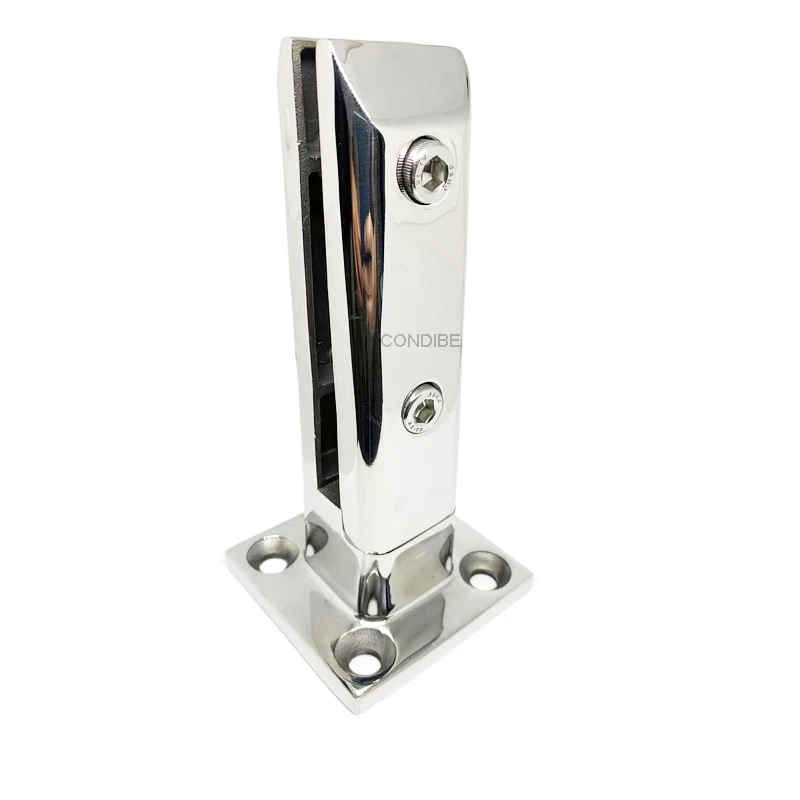
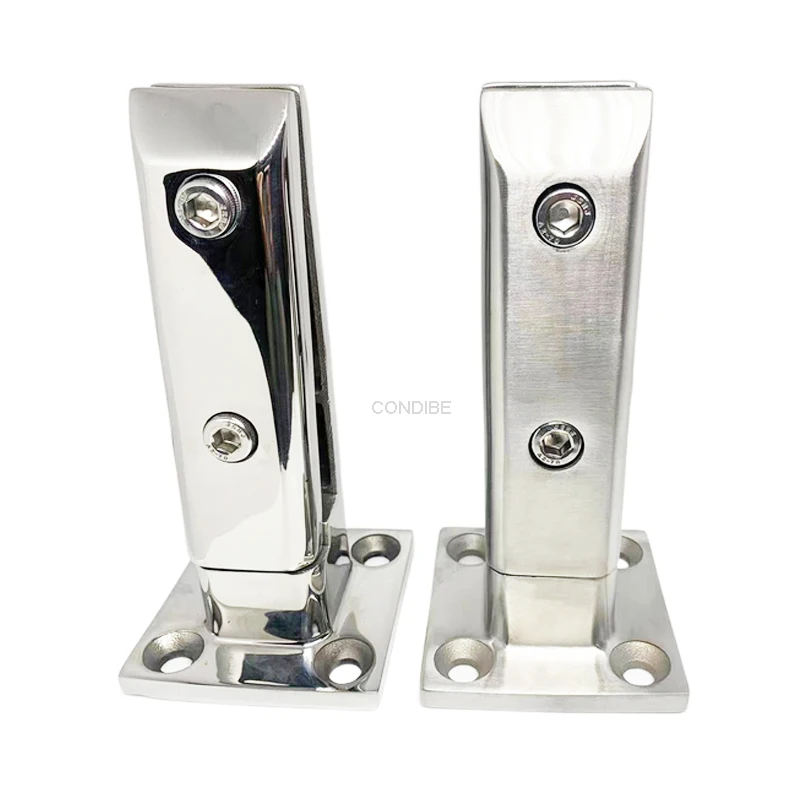
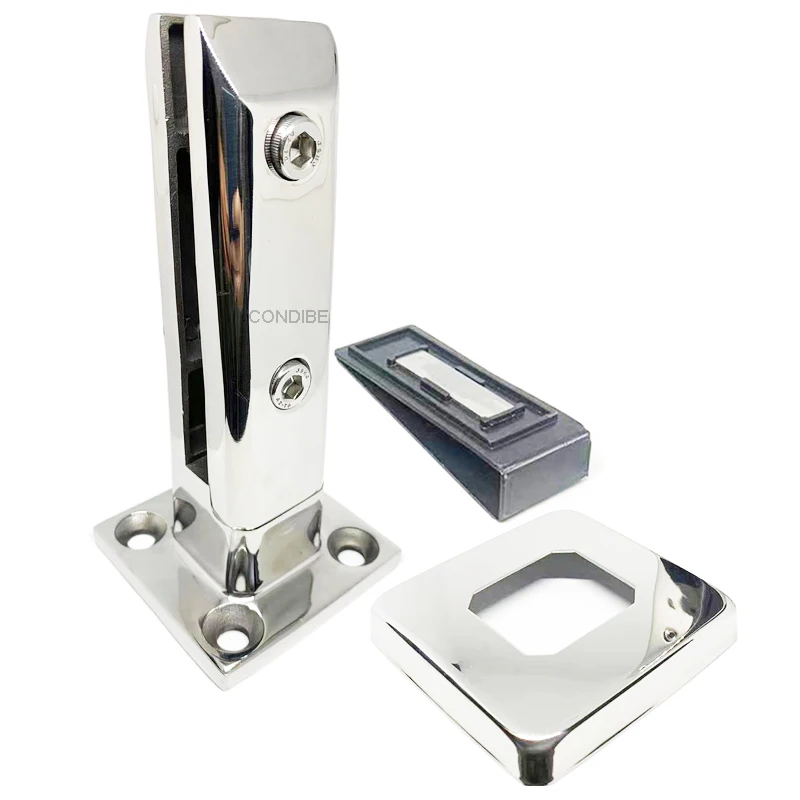
Glass railing brackets, often referred to as glass clamps, clips, or standoffs, are specialized mounting hardware designed to secure glass panels to walls, posts, or floor surfaces. Unlike traditional wooden or metal railings that rely on a continuous frame, glass railing brackets allow for a minimalist, often frameless, appearance while providing the necessary load-bearing capacity to meet building codes.
Essential Types of Glass Railing Brackets
Choosing the right bracket depends on your design goals and the installation environment. Here are the most common types:
1. Glass Clamps and Clips
Glass clamps are versatile brackets that grip the edges of the glass panel. They are typically mounted to vertical posts or walls.
•Square vs. Round: Available in various shapes to match the architectural style.
•Friction-Based: High-quality clamps use rubber gaskets to hold the glass securely without the need for drilling holes in the glass itself.
2. Glass Standoff Pins
Standoffs, or “pin fixings,” create a “floating” glass effect by mounting the panels to the side of a deck fascia or staircase.
•Minimalist Design: These brackets are nearly invisible from the front, offering unobstructed views.
•Structural Requirements: They require solid structural backing (like double joists or concrete) to handle the horizontal leverage of the glass.
3. Base Shoe Channels
While technically a continuous bracket, shoe channels hold the glass at the base. This is the gold standard for completely frameless glass railings on balconies and mezzanines.
4. Handrail Support Brackets
These brackets connect the top handrail to the glass panels. In many jurisdictions, a top rail is mandatory for safety, and these brackets ensure the rail is securely bonded to the glass.
Material Selection: 304 vs. 316 Stainless Steel
The durability of your glass railing brackets depends heavily on the material grade.
|
Feature
|
Grade 304 Stainless Steel
|
Grade 316 Stainless Steel
|
|
Corrosion Resistance
|
Good for indoor or dry outdoor areas.
|
Superior; resists salt and chemicals.
|
|
Best Applications
|
Interior stairs, office partitions.
|
Coastal balconies, pool areas, rooftops.
|
|
Cost
|
More affordable.
|
Premium investment for longevity.
|
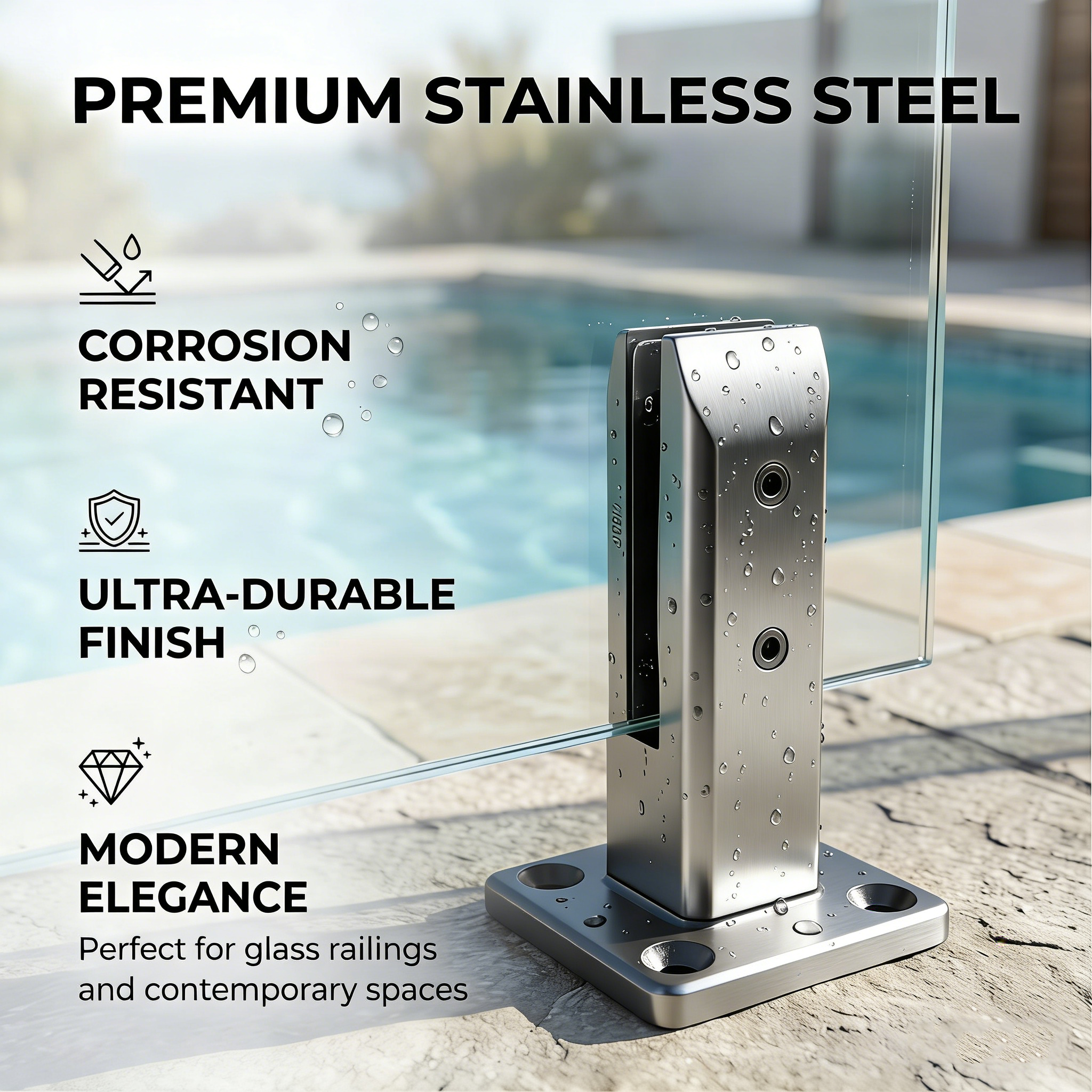
Pro Tip: For outdoor projects, especially those near the ocean or a swimming pool, Grade 316 stainless steel is essential to prevent “tea staining” and rust.
Key Applications for Glass Railing Brackets
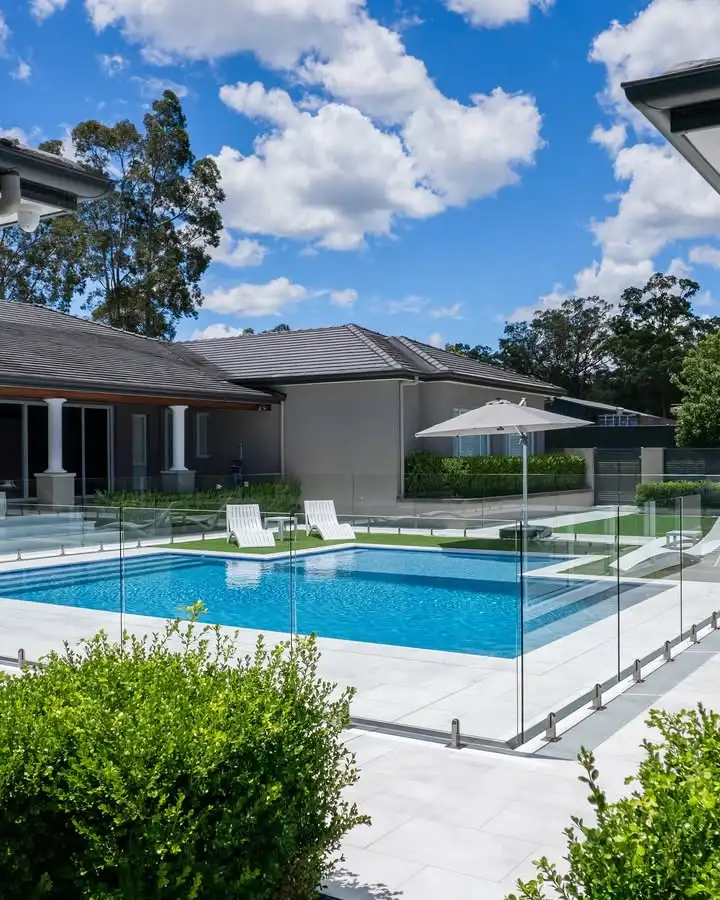
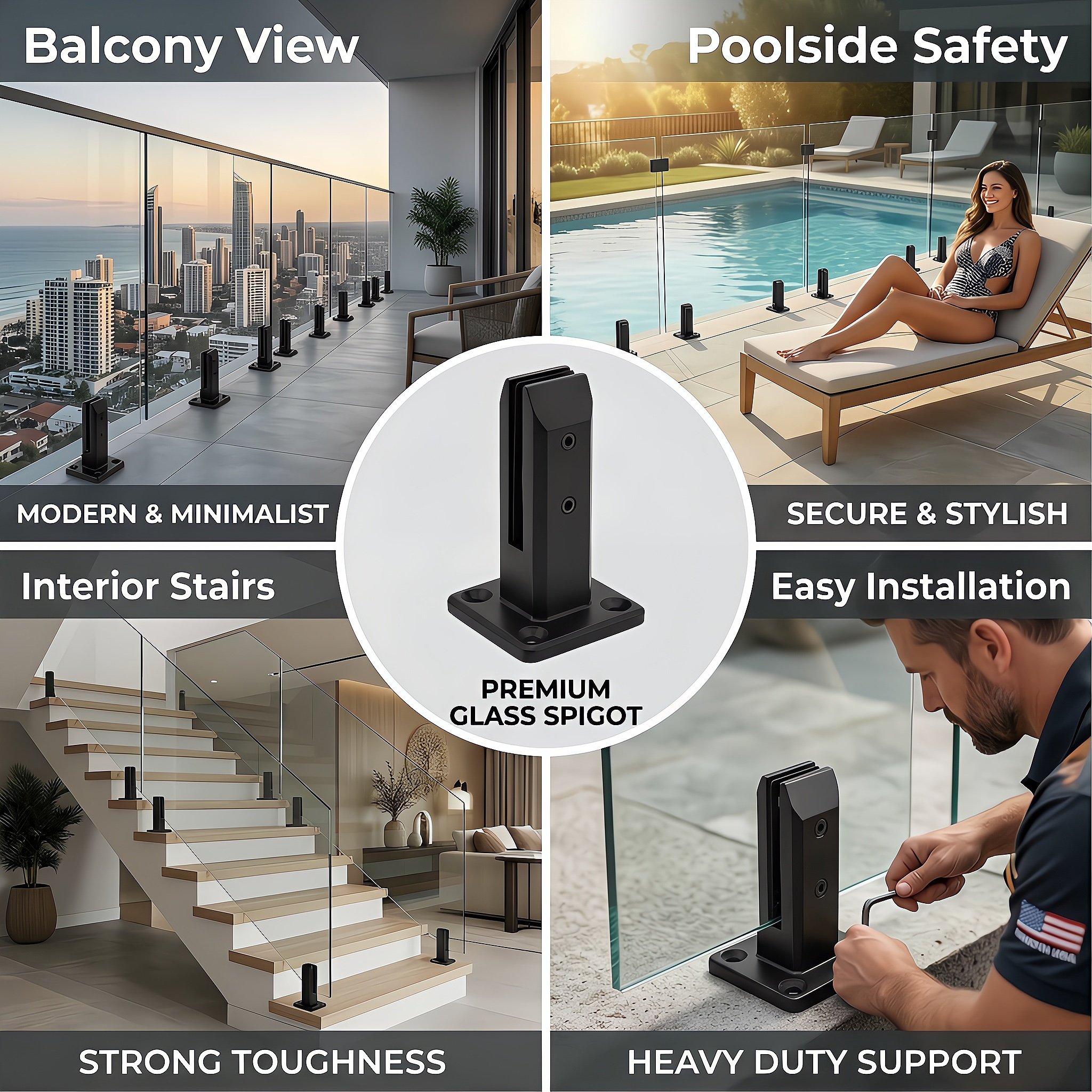
•Residential Balconies: Glass standoffs and base shoes provide a safe, high-end look that doesn’t block the view of the garden or skyline.
•Modern Staircases: Using glass-to-post clamps on a staircase creates a sense of openness, making small hallways feel significantly larger.
•Commercial Mezzanines: In shopping malls or offices, heavy-duty glass brackets ensure safety for high-traffic areas while maintaining a professional, airy aesthetic.
How to Choose the Right Bracket for Your Project
To ensure a successful installation, consider these three critical factors:
1.Weight and Thickness: Ensure the brackets are rated for your glass thickness (typically 10mm to 15mm) and the total weight of the panels.
2.Building Codes: Check local regulations regarding “fall protection.” Many codes require specific bracket spacing and the use of tempered or laminated safety glass.
3.Installation Substrate: Are you mounting to wood, concrete, or steel? Different substrates require specific fasteners and preparation (e.g., chemical anchors for concrete or structural blocking for wood).
Maintenance for Long-Lasting Beauty
While stainless steel is low-maintenance, it is not “no-maintenance.”
•Regular Cleaning: Wipe down brackets with a soft cloth and mild detergent to remove salt or dust buildup.
•Check Gaskets: Periodically inspect the rubber gaskets in clamps to ensure they haven’t degraded, as they are crucial for preventing metal-to-glass contact.
•Tighten Fasteners: High-vibration areas (like stairs) may require periodic checks to ensure mounting bolts remain tight.
Conclusion
Glass railing brackets are the perfect marriage of engineering and art. By selecting the right type—whether it’s the sleek profile of a standoff or the rugged reliability of a post clamp—you can create a stunning architectural feature that is as safe as it is beautiful. Investing in high-quality materials like 316 stainless steel ensures that your modern space remains a haven of sophistication for years to come.


Reviews
There are no reviews yet.