


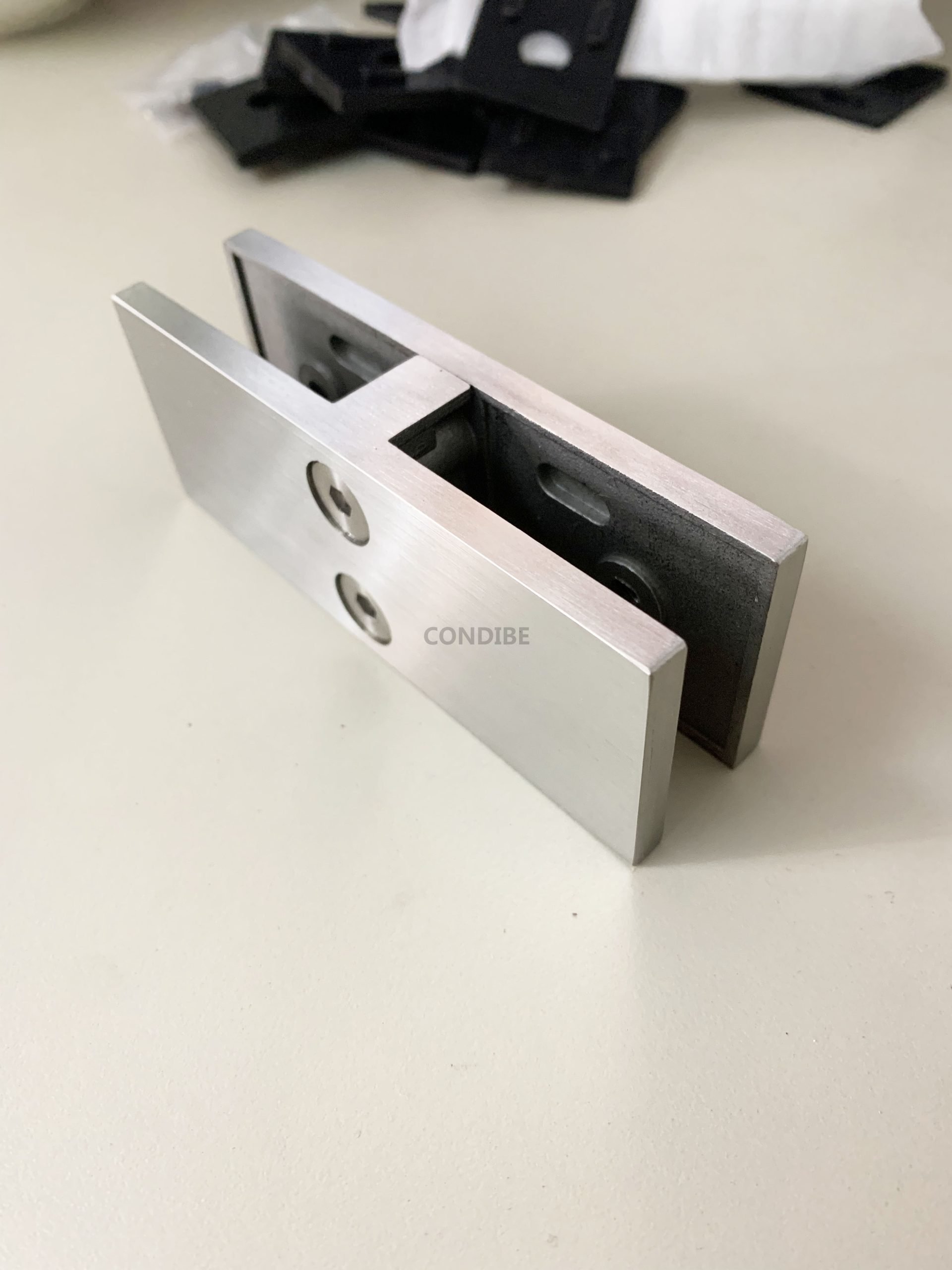
Description
Product Description
|
Product Name
|
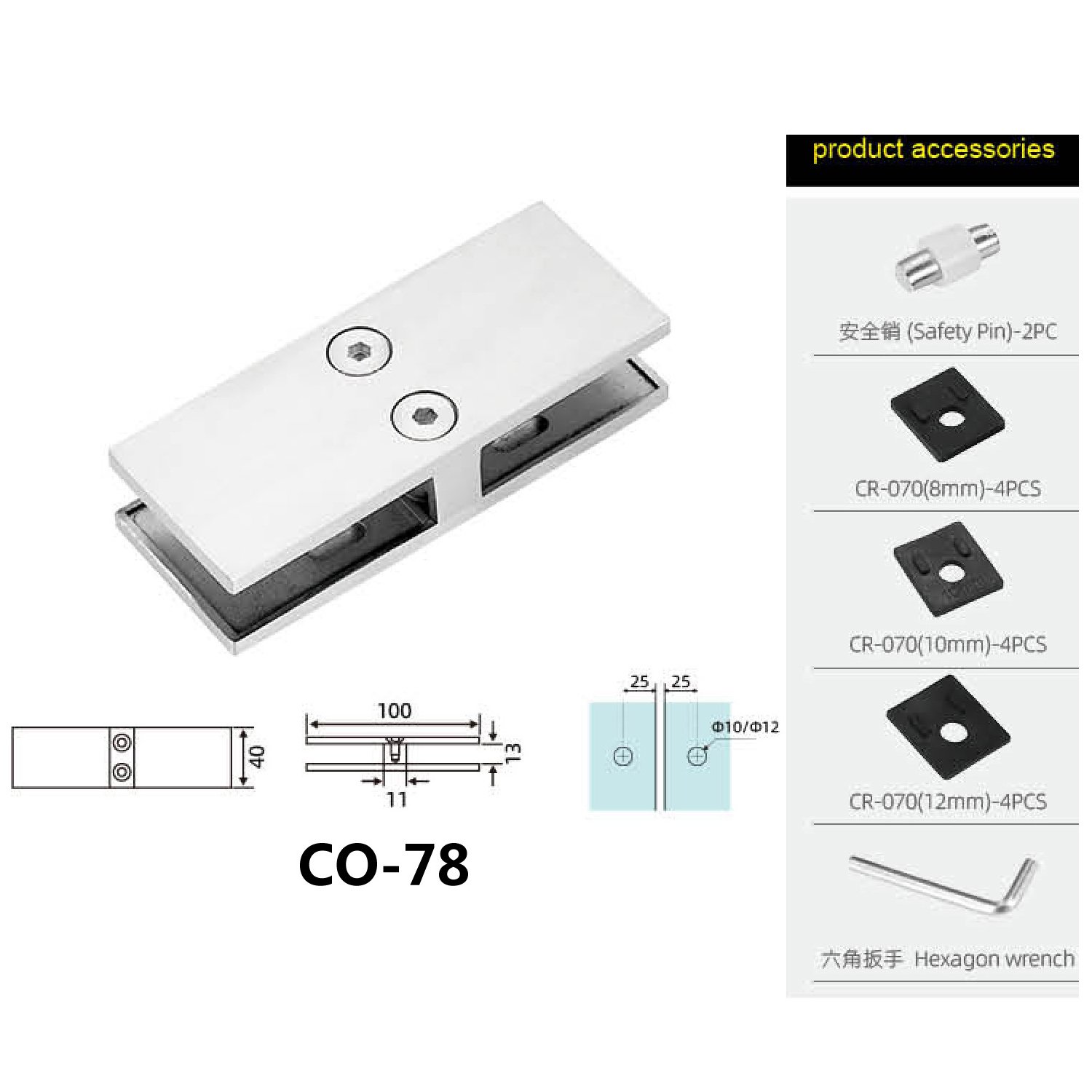
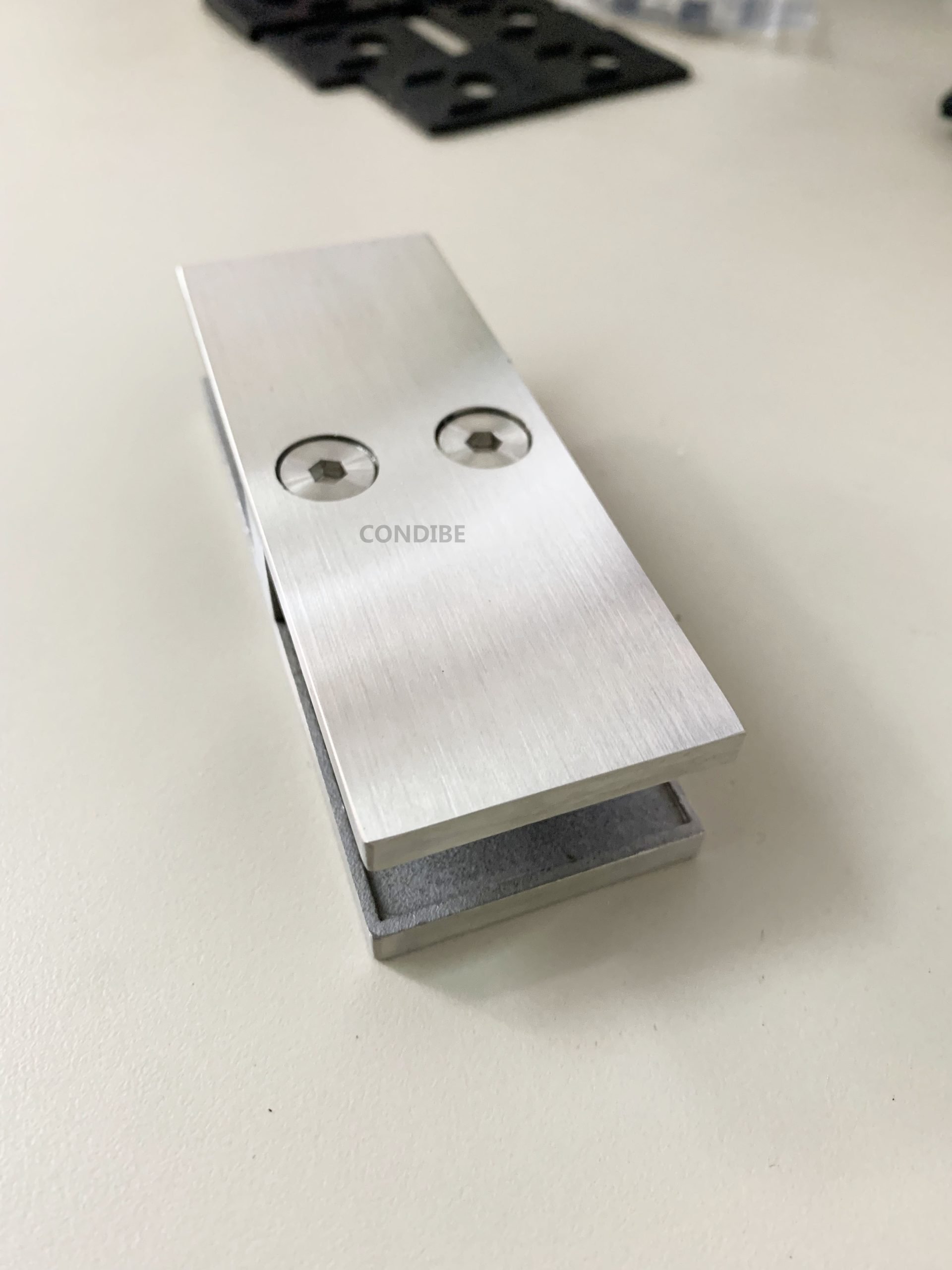
Glass fence connector
|
|
Material
|
stainless steel
|
|
Color
|
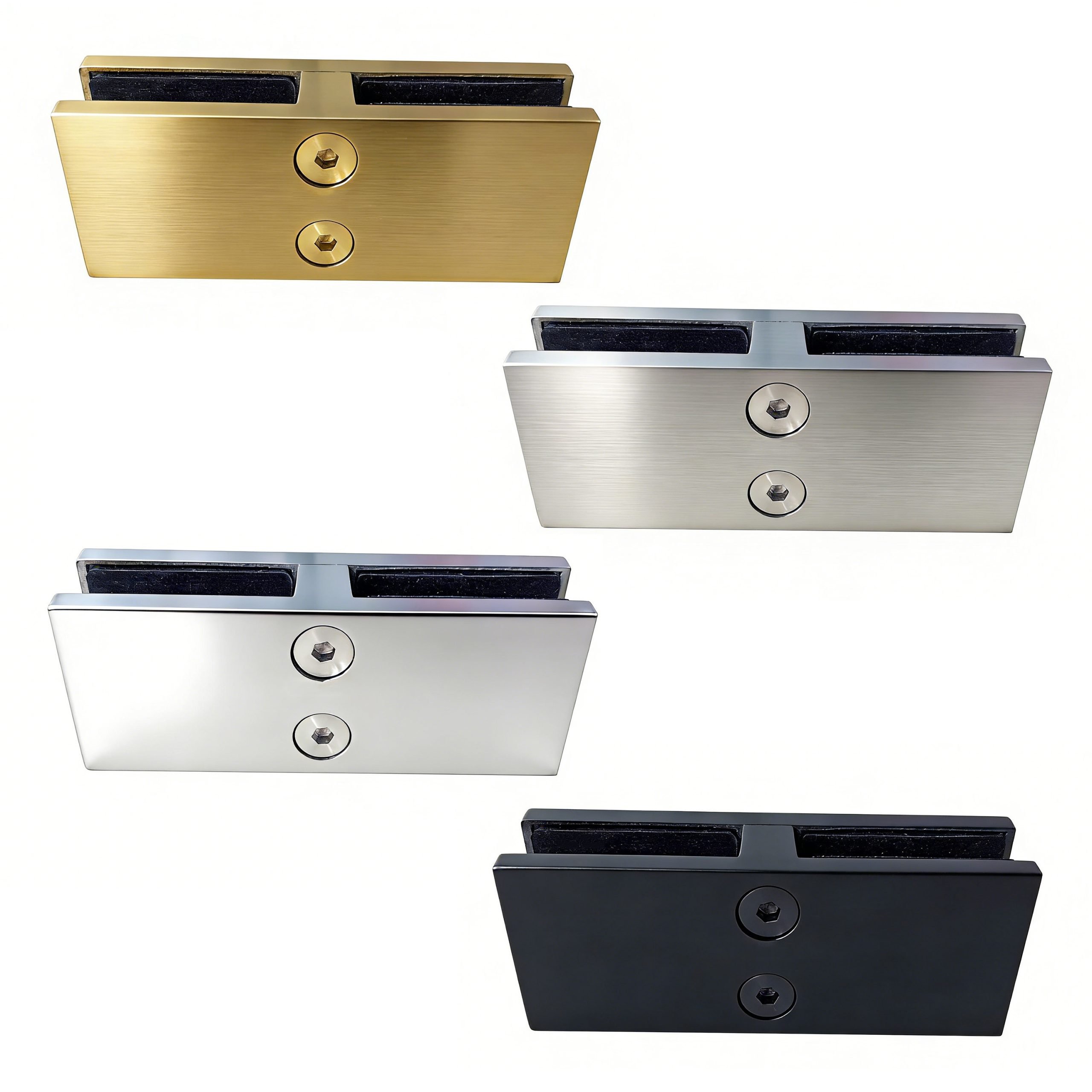
mirror polish or satin brush or color
|
|
Grade
|
Aisi304,Aisi316,Duplex2205
|
|
Glass thickness
|
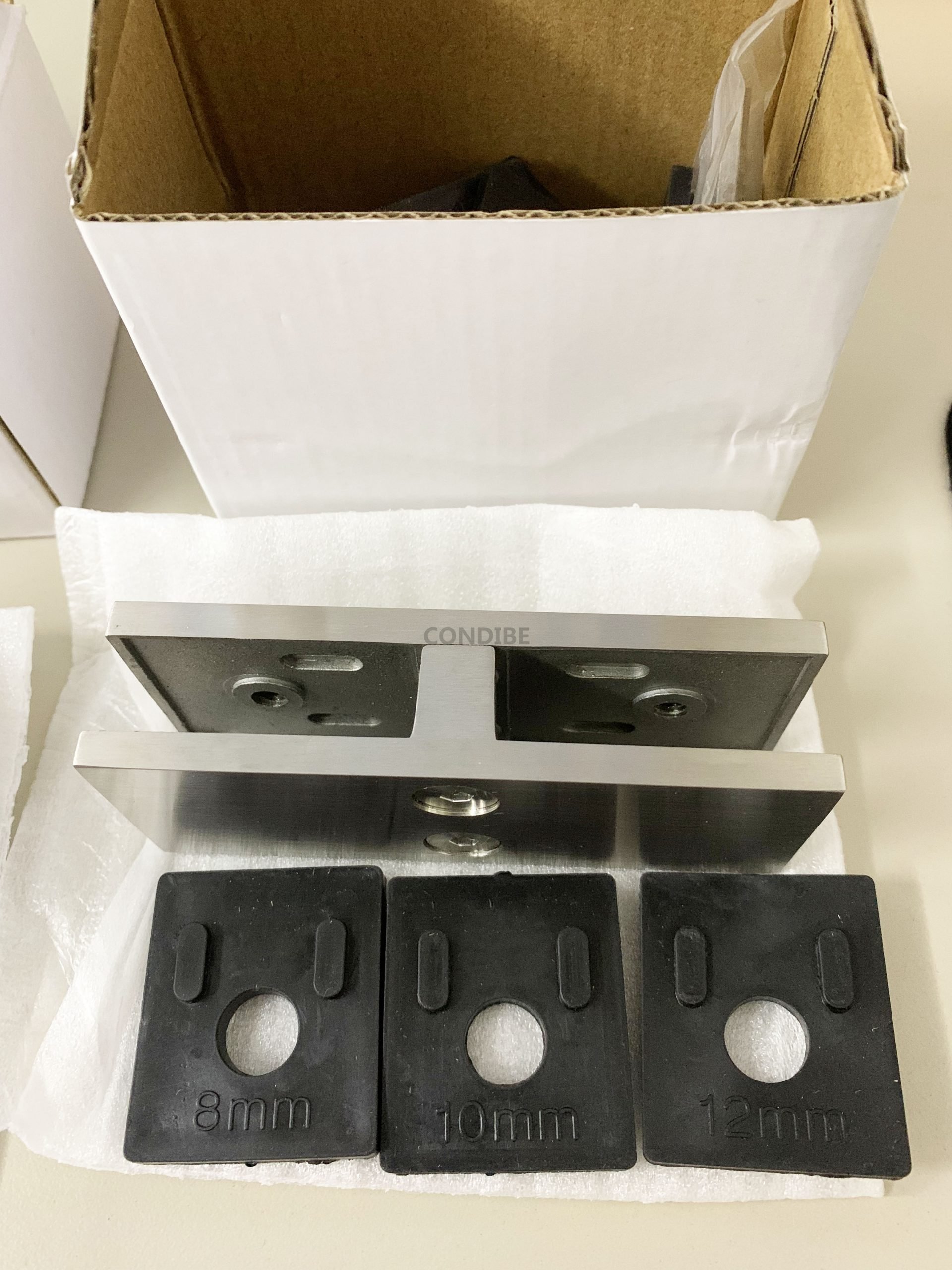
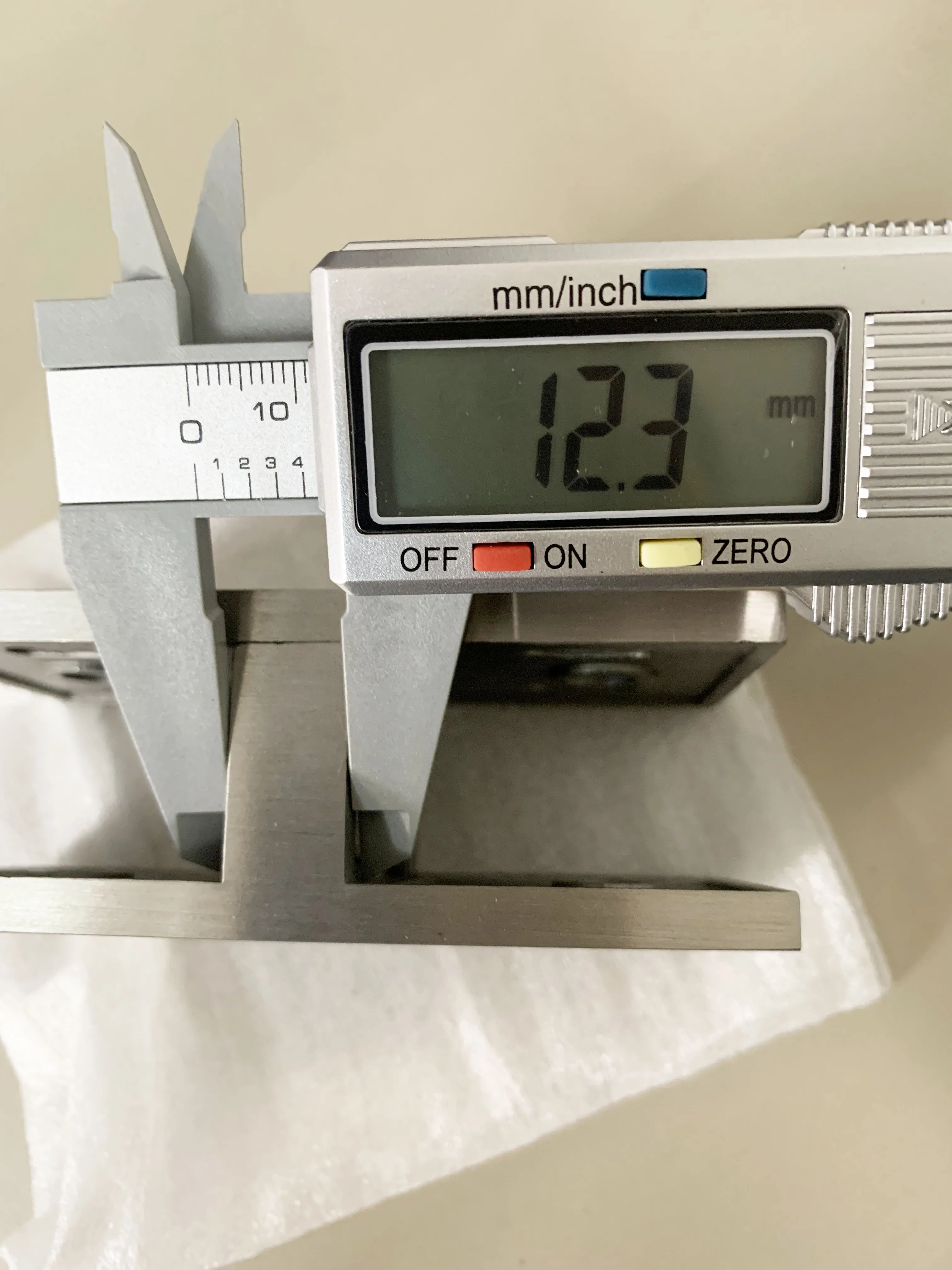
8mm,10mm,12mm
|
|
Payment term
|
T/T, Western Union, Secure payment 50% payment in advance and 50% balance against B/L;
|
|
Sample
|
Avaible
|
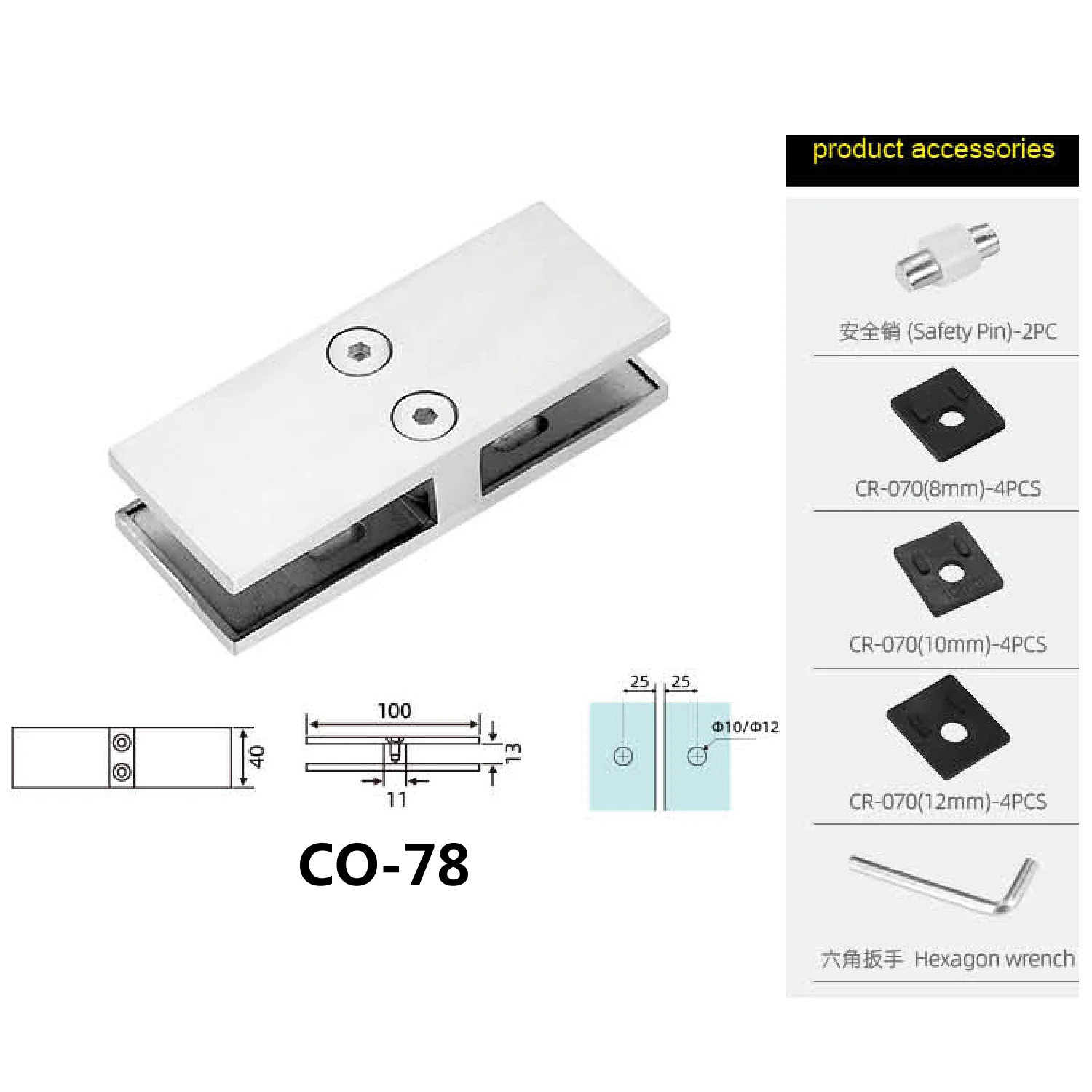
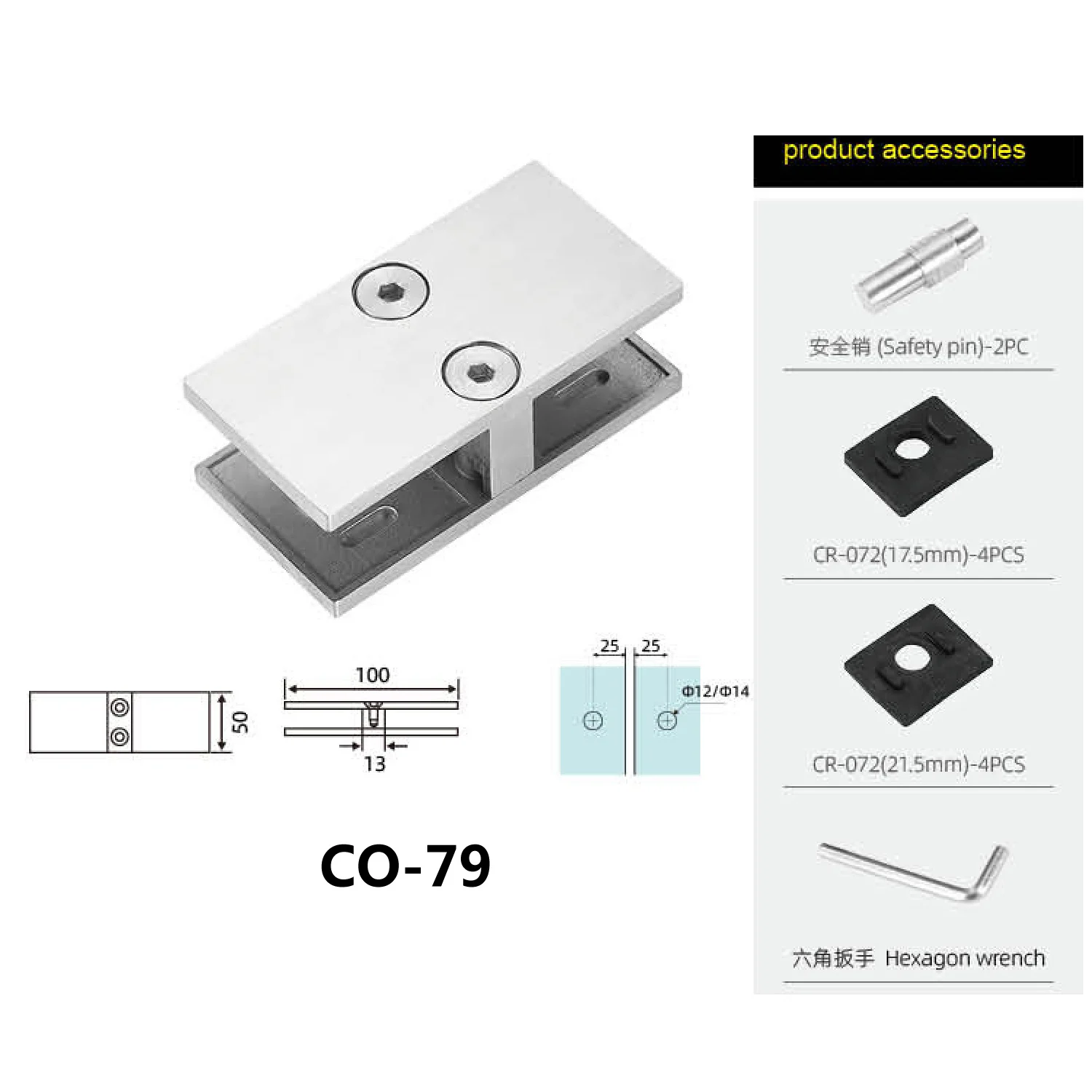
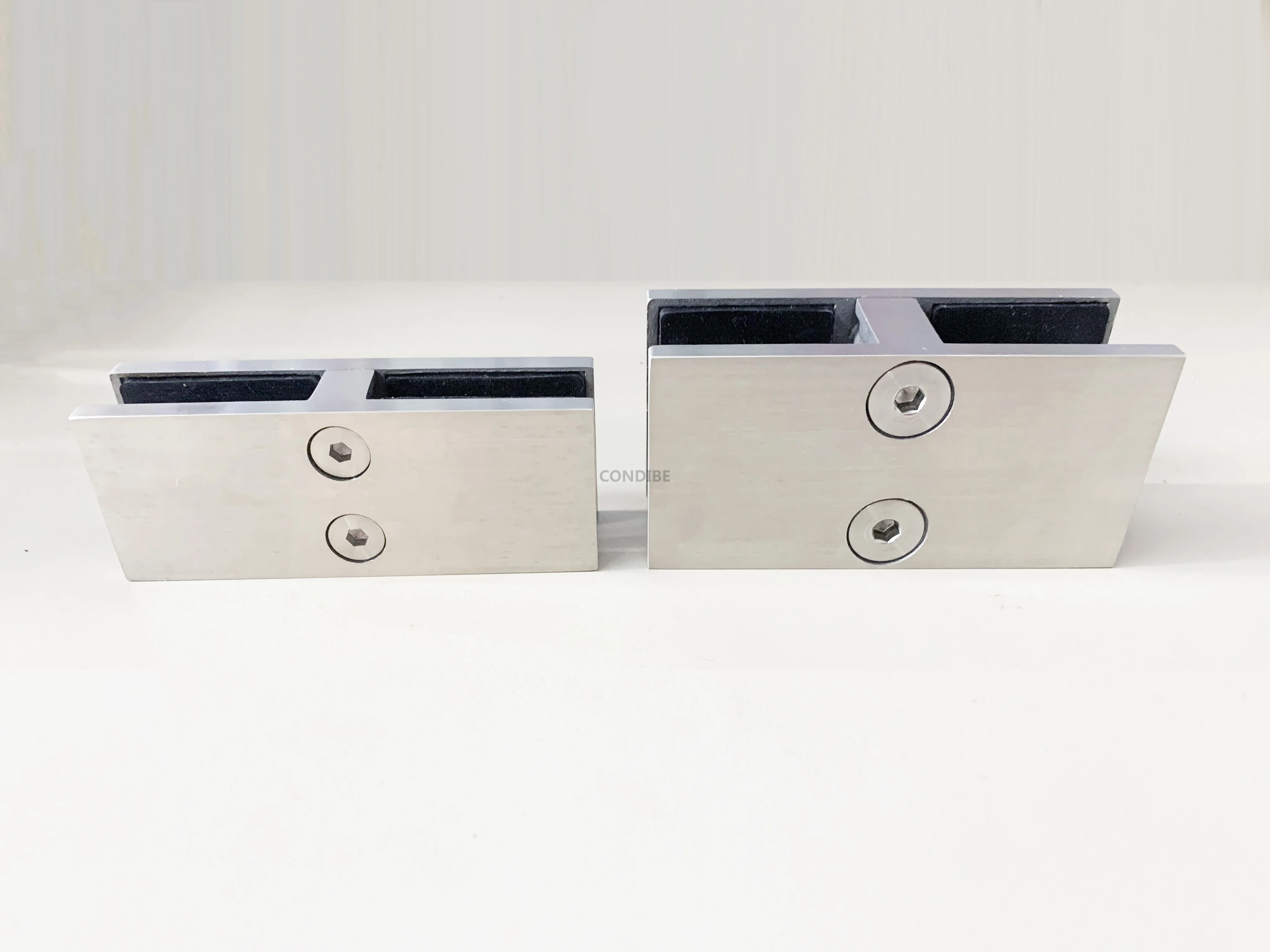
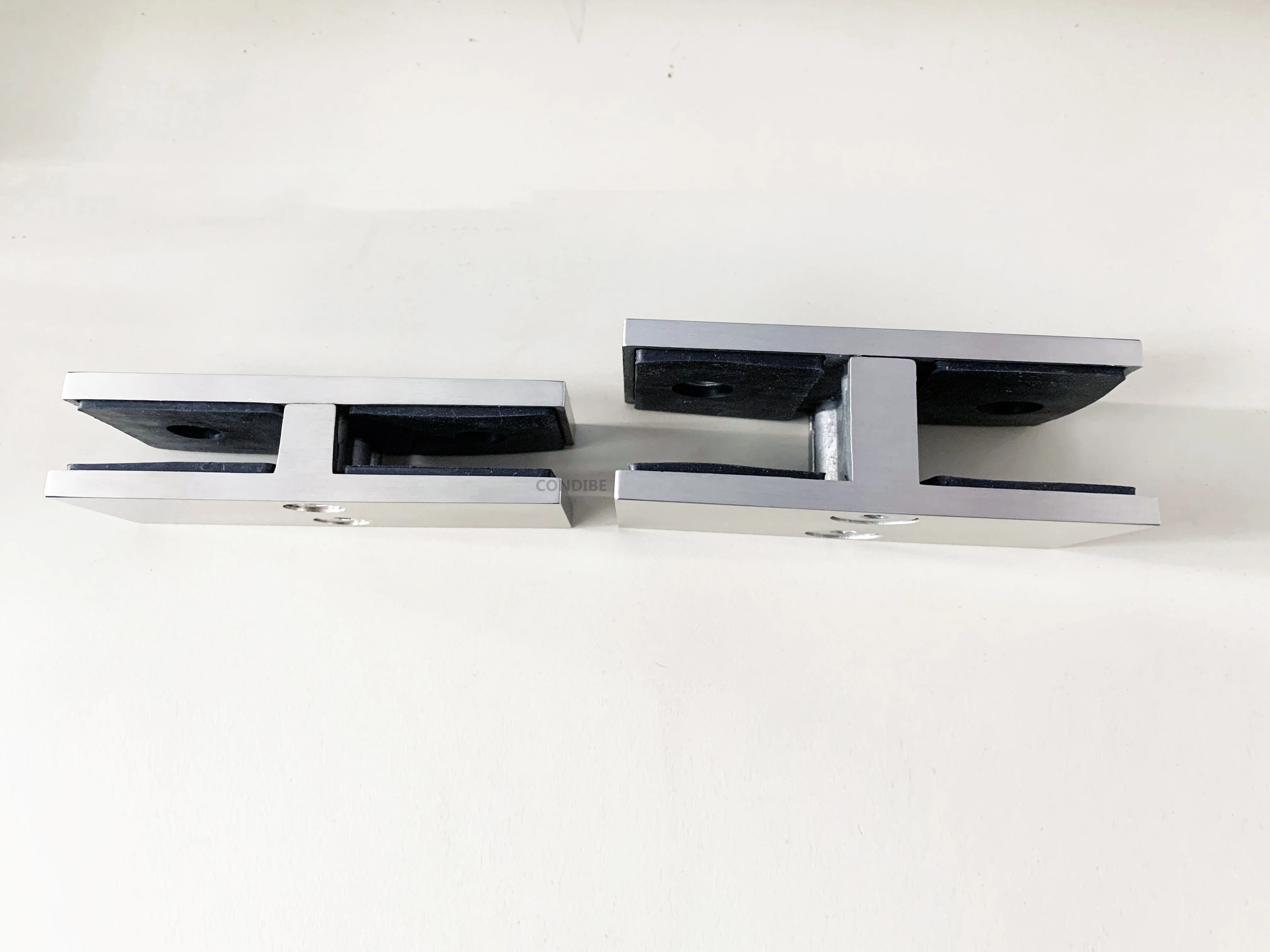
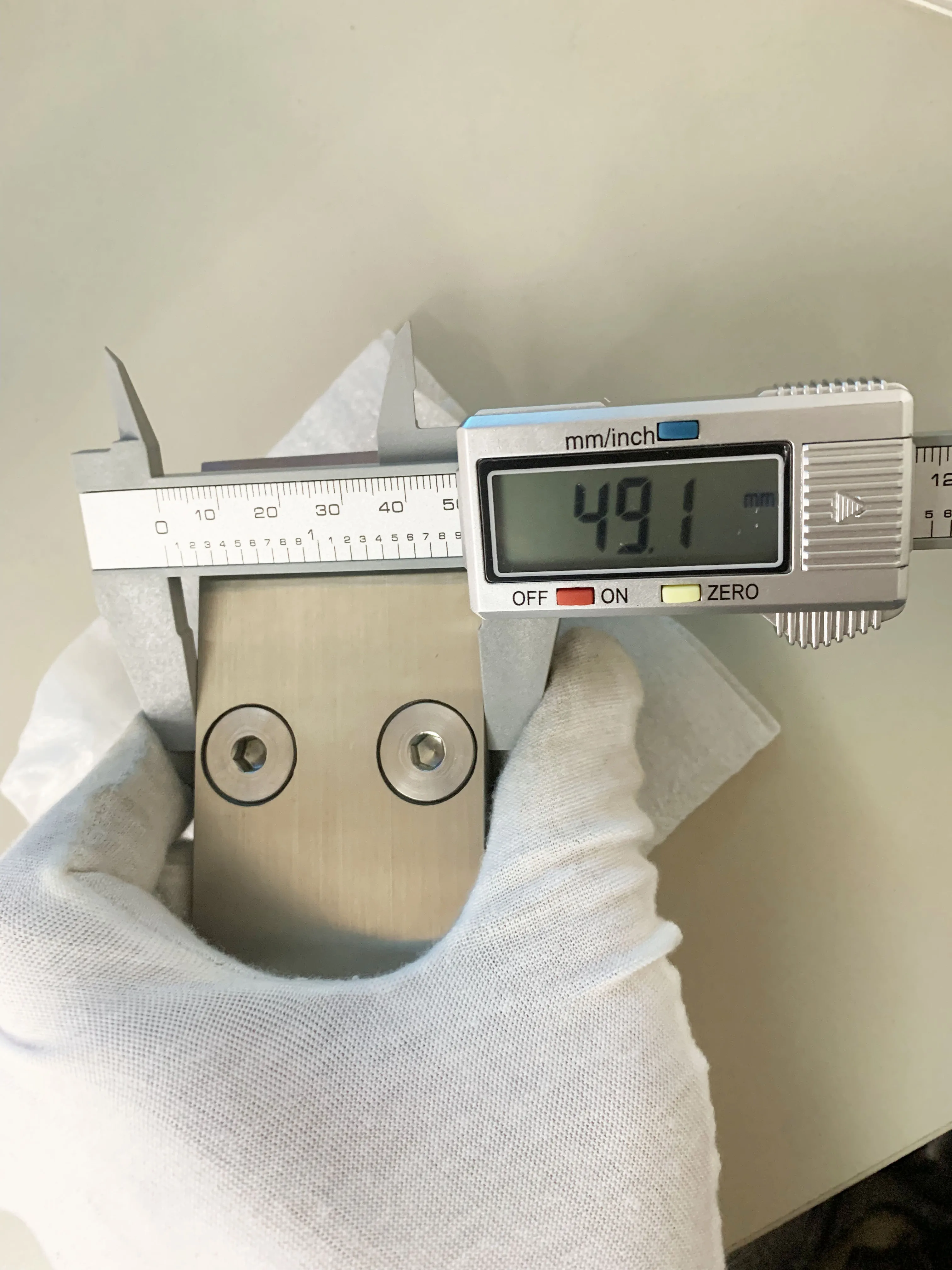
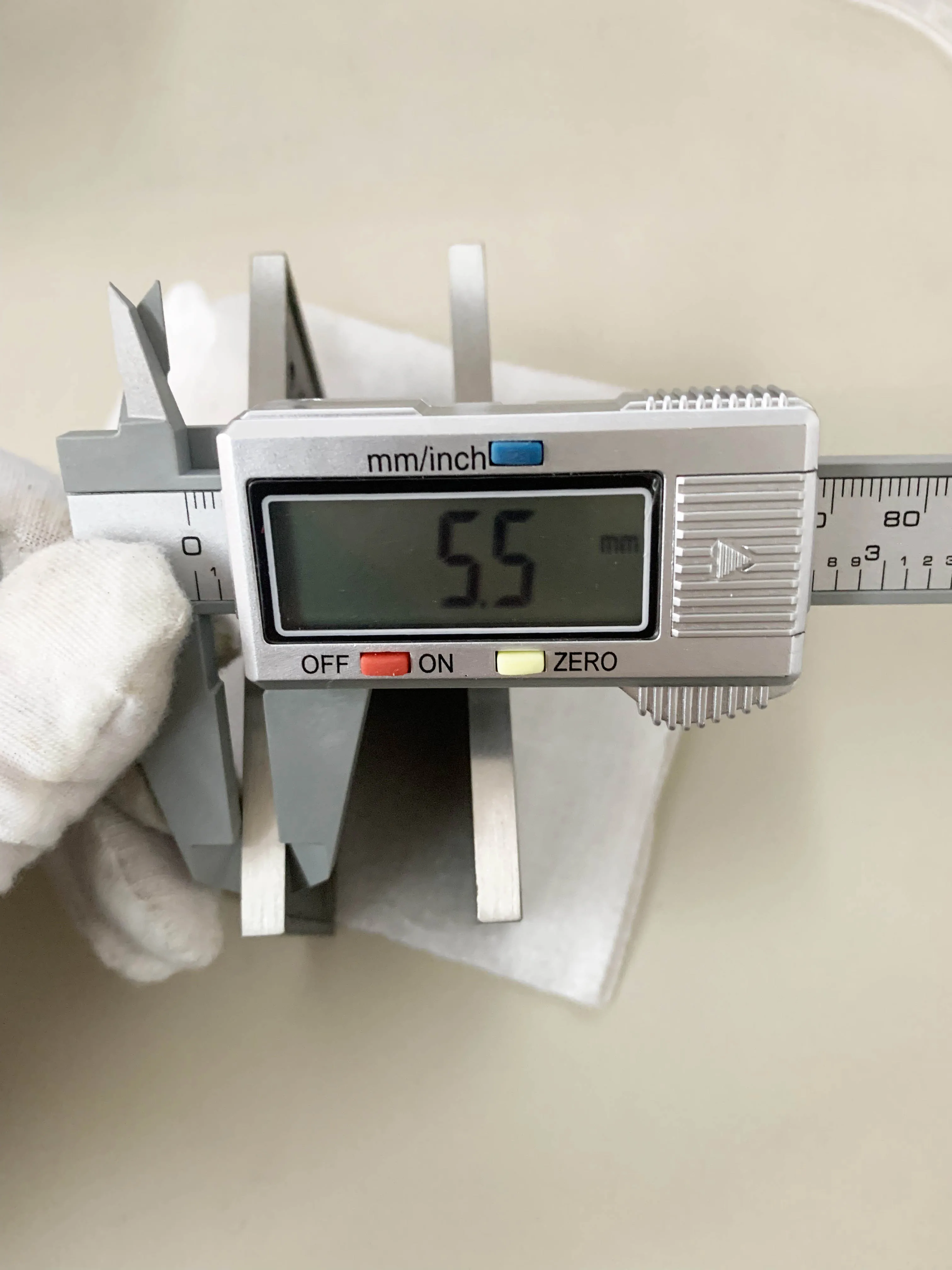
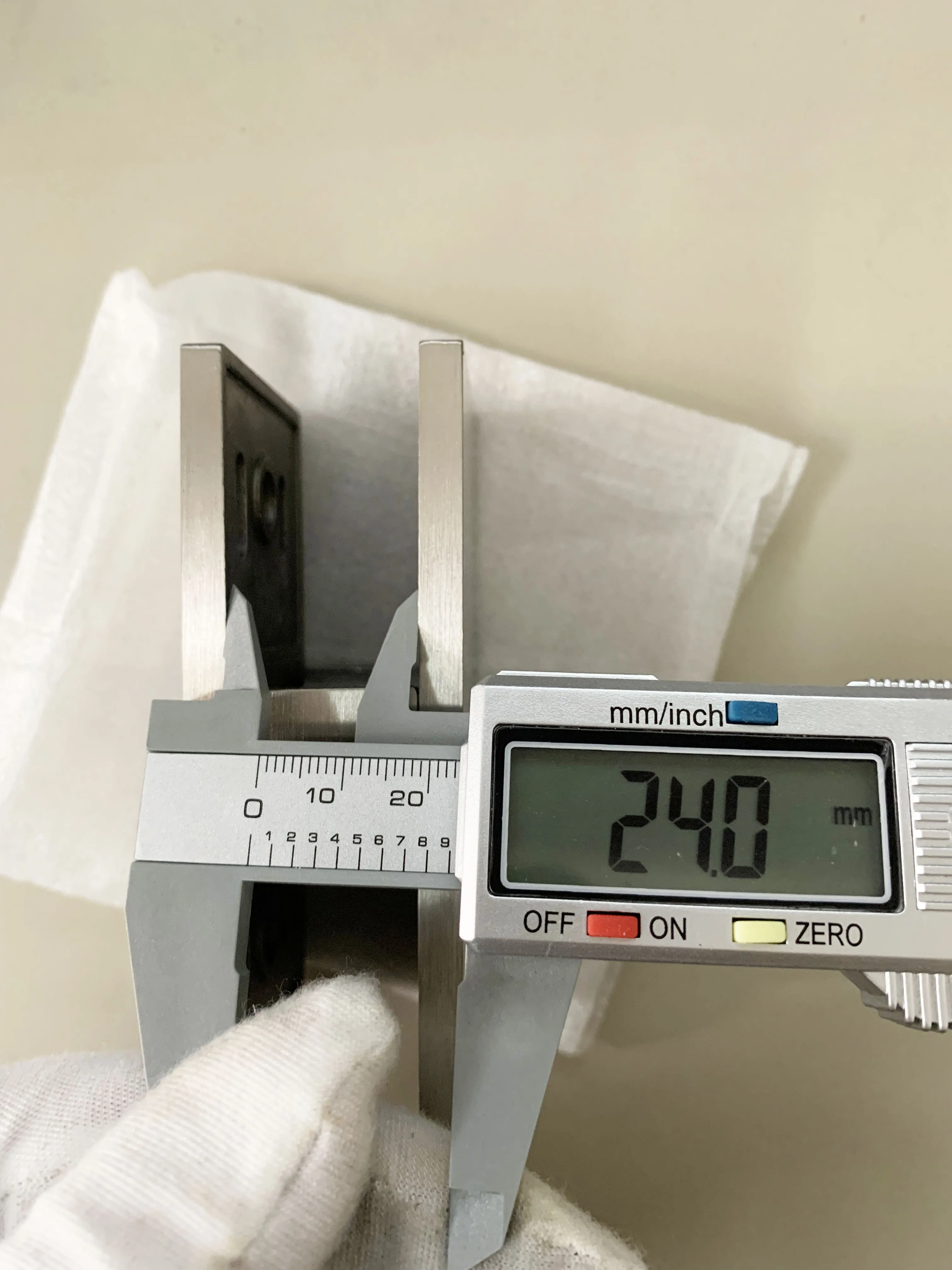
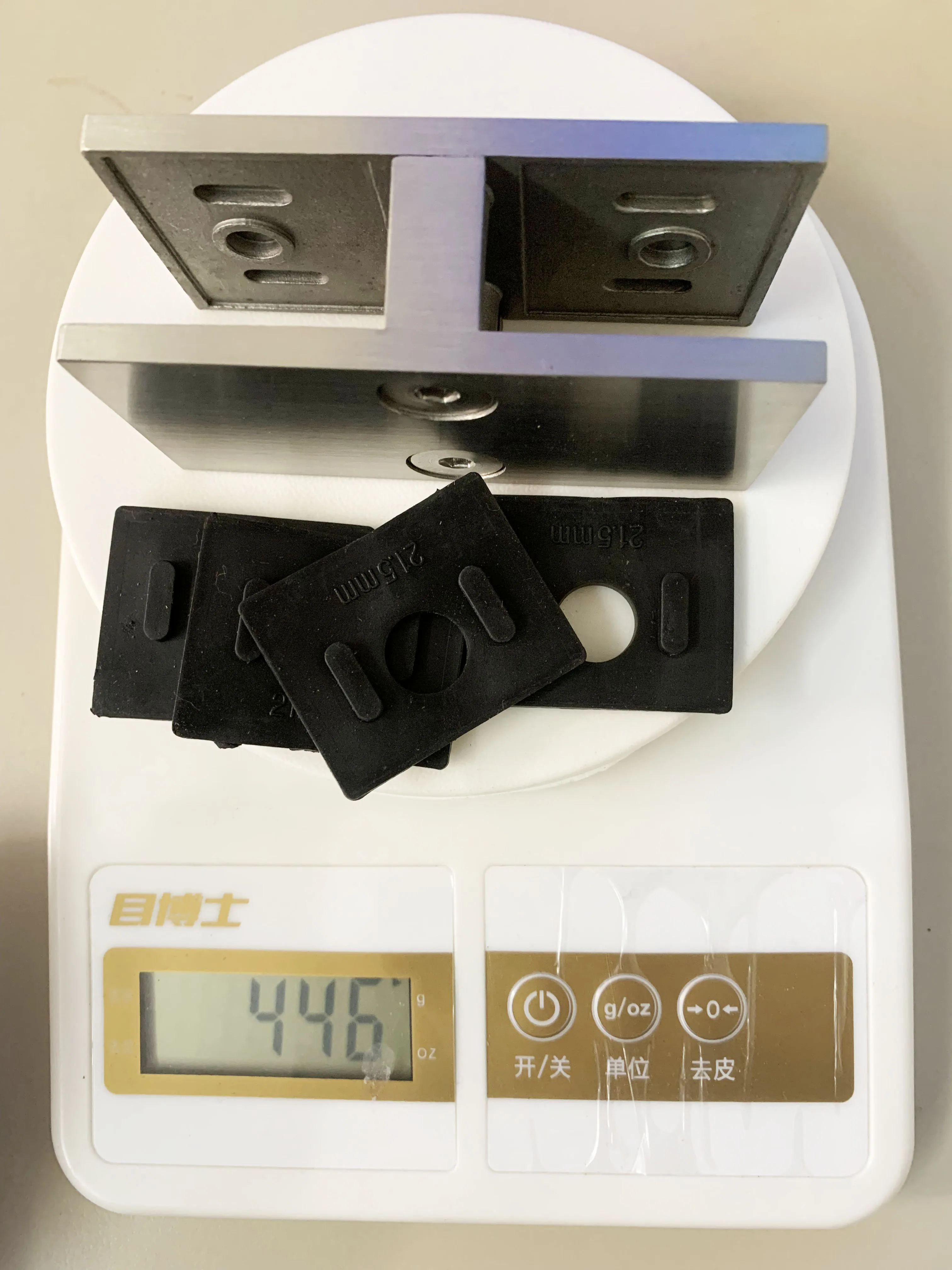
10mm 12mm 13.52mm connector &17.52mm 21.52mm connector
Product Photo
Packing & Delivery
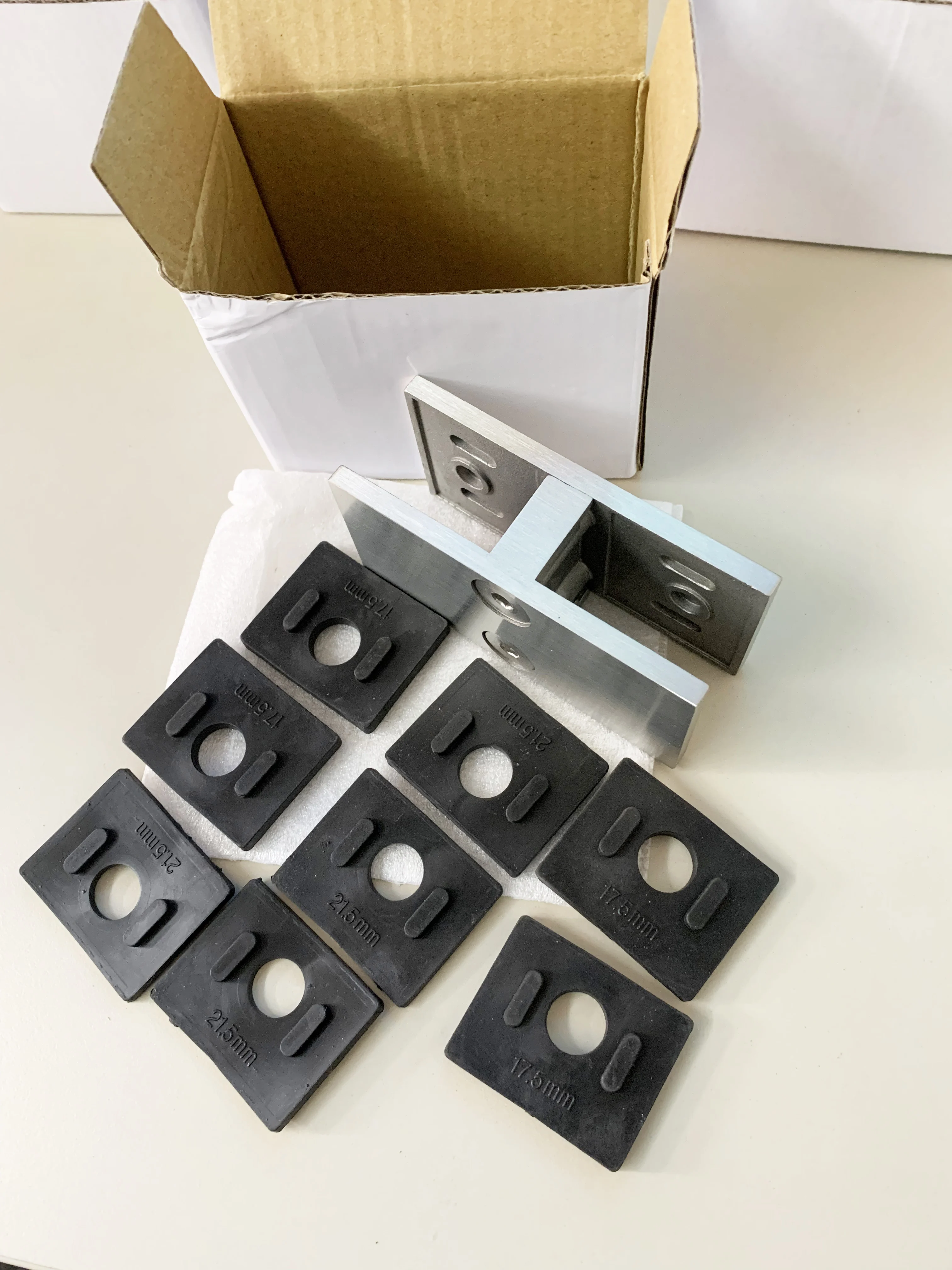
with innder bag and then in carton

box + carton + pallet

wooden case





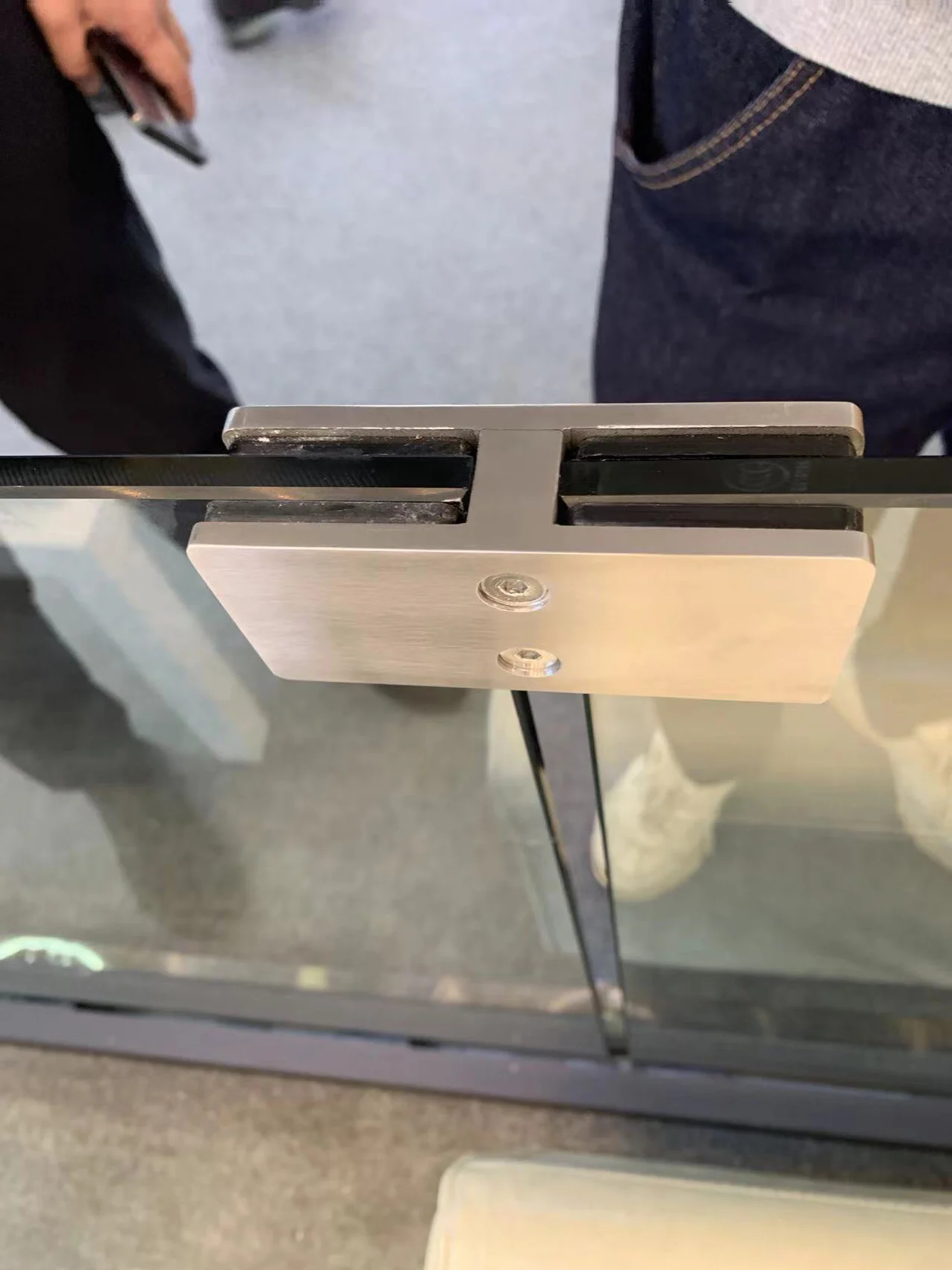
Application
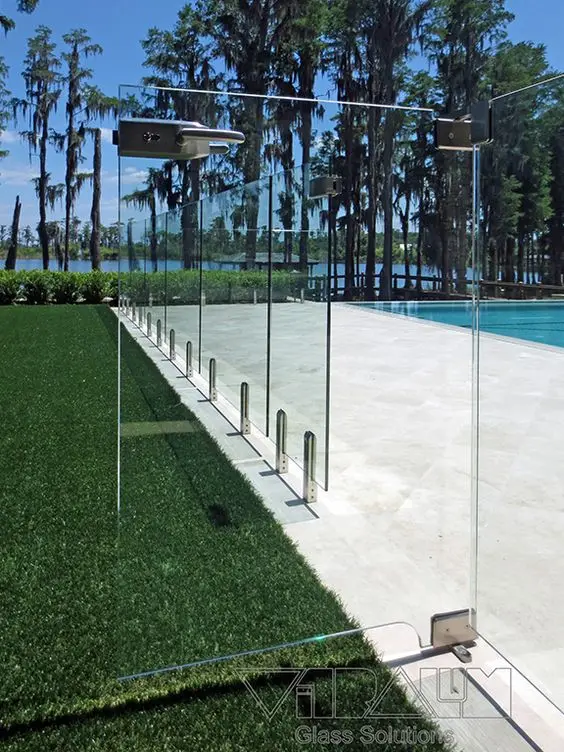
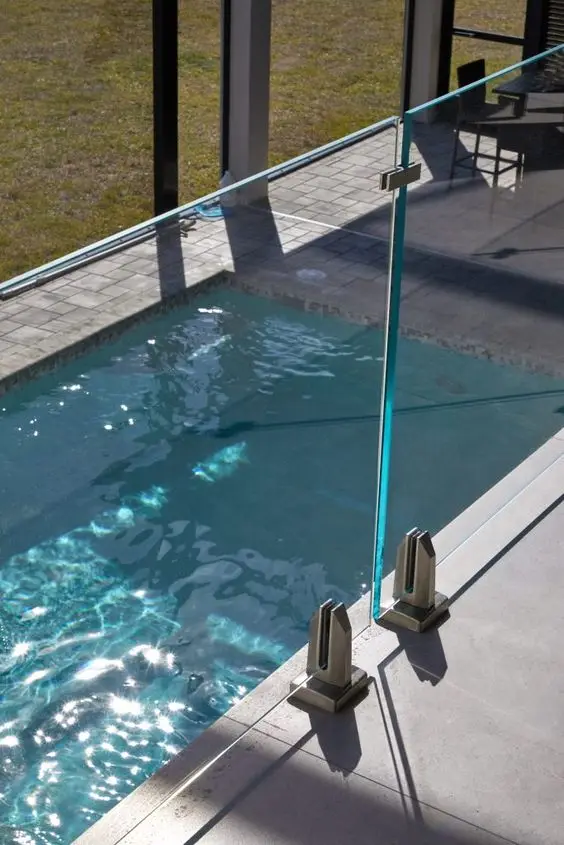
Recommend Products


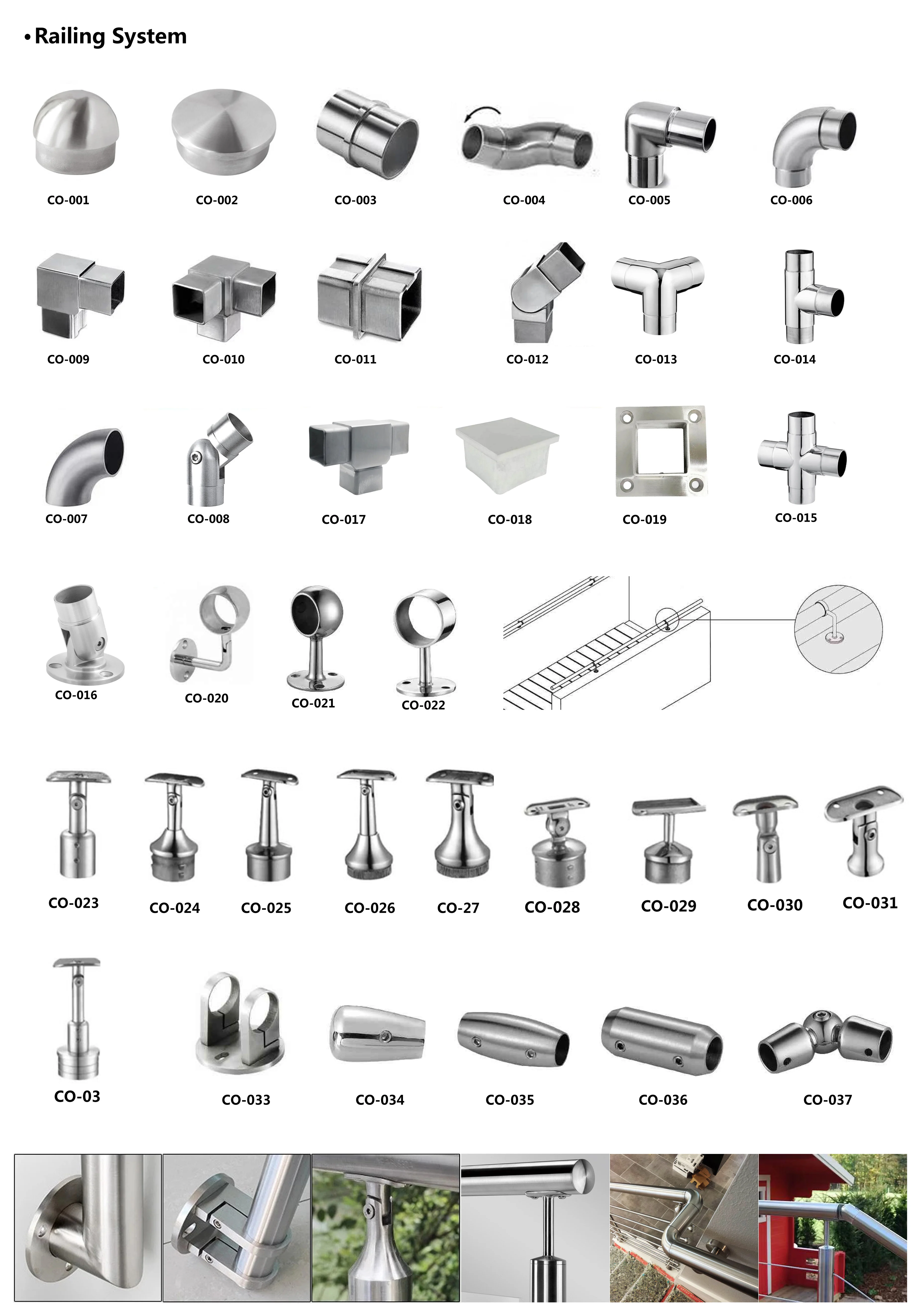
Our Company


Test Report



Service

Glass Clamp Fittings: A Complete Guide to Types, Uses, and Selection for 2026
Glass clamp fittings are essential hardware components designed to securely fasten glass panels in place while preserving structural integrity and aesthetic appeal. Used across residential, commercial, and industrial projects, these versatile fittings eliminate the need for drilling holes in glass, ensuring a sleek, frameless look that complements modern architectural and interior design trends. Whether you’re working on glass railings, shower enclosures, office partitions, or commercial storefronts, choosing the right glass clamp fittings is critical to safety, durability, and long-term performance. In this comprehensive guide, we’ll explore everything you need to know about glass clamp fittings—from types and materials to applications, installation tips, and how to select the best option for your project.
What Are Glass Clamp Fittings?
Glass clamp fittings, also known as glass clips or glass holders, are specialized hardware devices engineered to hold glass panels securely without damaging the glass surface. Unlike traditional mounting methods that require drilling, these fittings use a clamping mechanism—often paired with rubber gaskets—to grip the glass firmly, reducing stress points and preventing slippage. They are available in a wide range of designs, sizes, and materials, making them adaptable to various glass thicknesses (typically 6mm to 12mm) and installation environments, both indoor and outdoor.
The primary purpose of glass clamp fittings is to balance functionality and aesthetics: they provide reliable structural support while maintaining a clean, minimalist appearance that lets the glass take center stage. This makes them a popular choice for modern design projects where visual appeal and safety are equally important.
Common Types of Glass Clamp Fittings (With Uses)
Glass clamp fittings come in several types, each designed for specific applications and design needs. Understanding the differences between these types will help you choose the right fit for your project. Here are the most widely used varieties:
1. Standard Glass Clamps
Standard glass clamps are the most basic and widely used type, constructed from durable materials like stainless steel or aluminum. They are designed to grip fixed-thickness glass panels, offering high strength and load-bearing capacity, as well as corrosion resistance—making them suitable for both indoor and outdoor installations.
Key Advantages: Cost-effective for large-scale projects, easy to install, and highly durable. Limitations: Limited to specific glass thicknesses and not adjustable after installation. Ideal Uses: Shower enclosures, frameless windows, glass railings, and fixed glazing systems.
2. Adjustable Glass Clamps
Adjustable glass clamps feature a flexible mechanism that allows them to accommodate glass panels of varying thicknesses, making them perfect for mixed-glass projects or renovations where glass dimensions may vary slightly. They are a versatile choice for projects that require adaptability, such as multi-panel installations or modular designs.
Key Advantages: Reduces the need for multiple clip types, facilitates easy maintenance and replacement, and works with different glass specs. Limitations: Slightly more complex to install and may loosen if not secured properly. Ideal Uses: Renovation projects, office partitions, and environments with variable glass thicknesses.
3. Flush Mount Glass Clamps
Flush mount glass clamps are designed to be surface-mounted or embedded, allowing the glass to sit flush with adjacent walls or panels. This creates a seamless, minimalist appearance that is perfect for modern interior designs where clean lines are a priority.
Key Advantages: Sleek aesthetic, eliminates protruding hardware, easy to clean, and ideal for space-constrained areas. Limitations: Requires precise alignment during installation and may need custom mounting solutions. Ideal Uses: Glass partition systems, office dividers, contemporary bathrooms, and retail interiors.
4. Corner Glass Clamps
Corner glass clamps are specifically engineered to join two glass panels at a 90-degree (or other angled) junction, providing structural reinforcement at critical stress points. They ensure stability and safety in corner installations, maintaining a clean look without the need for bulky support posts.
Key Advantages: Securely joins angled glass panels, enhances structural stability, and complements modern design. Limitations: Limited to corner applications and may require custom angles for non-90-degree junctions. Ideal Uses: Glass shower corners, office partition corners, and frameless glass enclosures.
5. D-Type and Square Glass Clamps
D-type glass clamps feature a D-shaped design that offers a modern, minimalist look, making them ideal for glass dividers and railings. Square glass clamps, on the other hand, provide a bold, contemporary appearance and are well-suited for commercial and industrial environments where durability is a top priority.
Materials Used in Glass Clamp Fittings
The material of your glass clamp fittings directly impacts their durability, corrosion resistance, and aesthetic appeal. The most common materials include:
1. Stainless Steel (304 and 316)
Stainless steel is the most popular material for glass clamp fittings, with 304 stainless steel being the mainstream choice (accounting for 72% of the market) and 316 stainless steel gaining traction in coastal and high-humidity areas due to its superior corrosion resistance. Both types offer high strength, durability, and resistance to rust, making them suitable for indoor and outdoor use.
316 stainless steel, in particular, is ideal for marine environments, pool fences, and coastal projects, as it can withstand saltwater and harsh weather conditions better than 304 stainless steel.
2. Aluminum
Aluminum glass clamp fittings are lightweight, affordable, and corrosion-resistant, making them a good choice for indoor applications where weight is a concern. However, they are less durable than stainless steel and are not recommended for heavy-load or outdoor installations.
3. Brass
Brass glass clamp fittings offer a high-end, luxurious finish and excellent corrosion resistance. They are often used in upscale residential and commercial projects, such as hotels and luxury villas, where aesthetic appeal is a top priority.
4. Zinc Alloy
Zinc alloy glass clamp fittings are an affordable alternative to stainless steel and brass, but they are less durable and more prone to corrosion. They are best suited for indoor, low-load applications, such as display cases or light-duty glass dividers.
Key Applications of Glass Clamp Fittings
Glass clamp fittings are versatile and used across a wide range of industries and projects. Some of the most common applications include:
-
Residential Applications: Shower enclosures, bathroom glass partitions, balcony railings, frameless windows, and glass shelves. These fittings add a modern touch to homes while ensuring safety and functionality.
-
Commercial Applications: Office partitions, retail storefronts, shopping mall railings, hotel lobbies, and restaurant glass dividers. Glass clamp fittings help create open, spacious environments while maintaining a professional aesthetic.
-
Industrial Applications: Factory glass barriers, machine guards, and industrial glass partitions. These fittings are designed to withstand heavy use and harsh industrial environments.
-
Outdoor Applications: Pool fences, outdoor glass railings, patio enclosures, and commercial exterior glazing. Stainless steel and 316 stainless steel fittings are preferred for outdoor use due to their corrosion resistance.
How to Choose the Right Glass Clamp Fittings
Selecting the right glass clamp fittings requires considering several key factors to ensure compatibility, safety, and performance. Here’s a step-by-step guide to help you make the right choice:
1. Determine Your Glass Thickness
The first step is to measure the thickness of your glass panels. Most glass clamp fittings are designed for specific thicknesses (typically 6mm to 12mm), so choosing a fitting that matches your glass thickness is critical to ensuring a secure grip. Adjustable glass clamps are a good option if you have varying glass thicknesses in your project.
2. Consider the Installation Environment
Indoor and outdoor installations have different requirements. For outdoor use, choose corrosion-resistant materials like 316 stainless steel to withstand rain, saltwater, and harsh weather. For indoor use, aluminum or zinc alloy fittings may be sufficient, depending on the load and aesthetic needs.
3. Evaluate Load Capacity
Consider the weight of the glass panels and any additional load they may bear (e.g., people leaning on railings). Choose glass clamp fittings with a load capacity that exceeds the expected weight to ensure safety. Stainless steel fittings typically have higher load capacities than aluminum or zinc alloy options.
4. Prioritize Aesthetic Needs
Glass clamp fittings come in various finishes, including polished, brushed, satin, and PVD-coated options. Choose a finish that complements your project’s design—for example, brushed stainless steel for a modern look, or brass for a luxurious touch. Flush mount fittings are ideal for minimalist designs, while standard clamps work well for more functional applications.
5. Check Compliance with Industry Standards
For commercial and high-safety projects, ensure your glass clamp fittings comply with relevant industry standards. For example, European projects should meet EN 14183:2004, while US projects should follow ANSI/BHMA A156.18-2022. These standards ensure the fittings meet minimum safety and performance requirements, such as tensile strength and corrosion resistance.
Installation Tips for Glass Clamp Fittings
Proper installation is key to ensuring the safety and longevity of your glass clamp fittings. Follow these tips for a successful installation:
-
Prepare the Surface: Ensure the mounting surface (wall, post, or frame) is clean, flat, and sturdy. Remove any dirt, debris, or grease that could affect the clamp’s grip.
-
Install Rubber Gaskets: Most glass clamp fittings come with rubber gaskets to protect the glass and prevent slippage. Always install these gaskets before clamping the glass to avoid scratches and ensure a secure fit.
-
Align the Clamps: Use a level to ensure the clamps are aligned correctly. Misaligned clamps can cause stress points on the glass, leading to cracks or breakage.
-
Tighten Securely (But Not Too Much): Tighten the clamp screws until they grip the glass firmly, but avoid over-tightening, as this can damage the glass or the clamp itself.
-
Inspect After Installation: After installation, check the clamps to ensure they are secure and the glass is not wobbling. Regularly inspect the fittings for signs of wear, corrosion, or loosening.
2026 Trends in Glass Clamp Fittings
The glass clamp fittings industry is evolving to meet the demands of modern design and sustainability. Here are the top trends to watch in 2026:
-
High-End Finishes: PVD-coated and brushed finishes are becoming increasingly popular, offering a premium look and enhanced durability. Gold, black, and matte finishes are particularly trendy for residential and commercial projects.
-
Sustainability: Manufacturers are using eco-friendly materials and processes, such as recycled stainless steel, to reduce environmental impact. Energy-efficient production methods are also becoming more common.
-
Smart Features: Some glass clamp fittings now include smart features, such as built-in sensors to detect loosening or damage, ensuring proactive maintenance and safety.
-
Customization: With the rise of modular design, custom glass clamp fittings are in high demand. Manufacturers are offering customizable sizes, finishes, and designs to meet unique project needs.
Conclusion
Glass clamp fittings are a versatile, essential component for any glass installation project, offering a perfect balance of safety, functionality, and aesthetic appeal. By understanding the different types, materials, and applications, you can choose the right fittings to meet your project’s needs—whether it’s a residential shower enclosure, a commercial office partition, or an outdoor glass railing.
When selecting glass clamp fittings, prioritize durability, compatibility, and compliance with industry standards. With the right fittings and proper installation, your glass project will be safe, long-lasting, and visually stunning. As the industry continues to evolve, keep an eye on emerging trends like high-end finishes and customization to stay ahead of the curve.
Whether you’re an architect, contractor, DIY enthusiast, or business owner, investing in high-quality glass clamp fittings is a smart choice that will enhance the value and functionality of your project for years to come.
Reviews
There are no reviews yet.