



Description
Hardware Catalogue
More glass clamp
The Ultimate Guide to Stainless Steel Glass Spigots: Durability Meets Modern Design
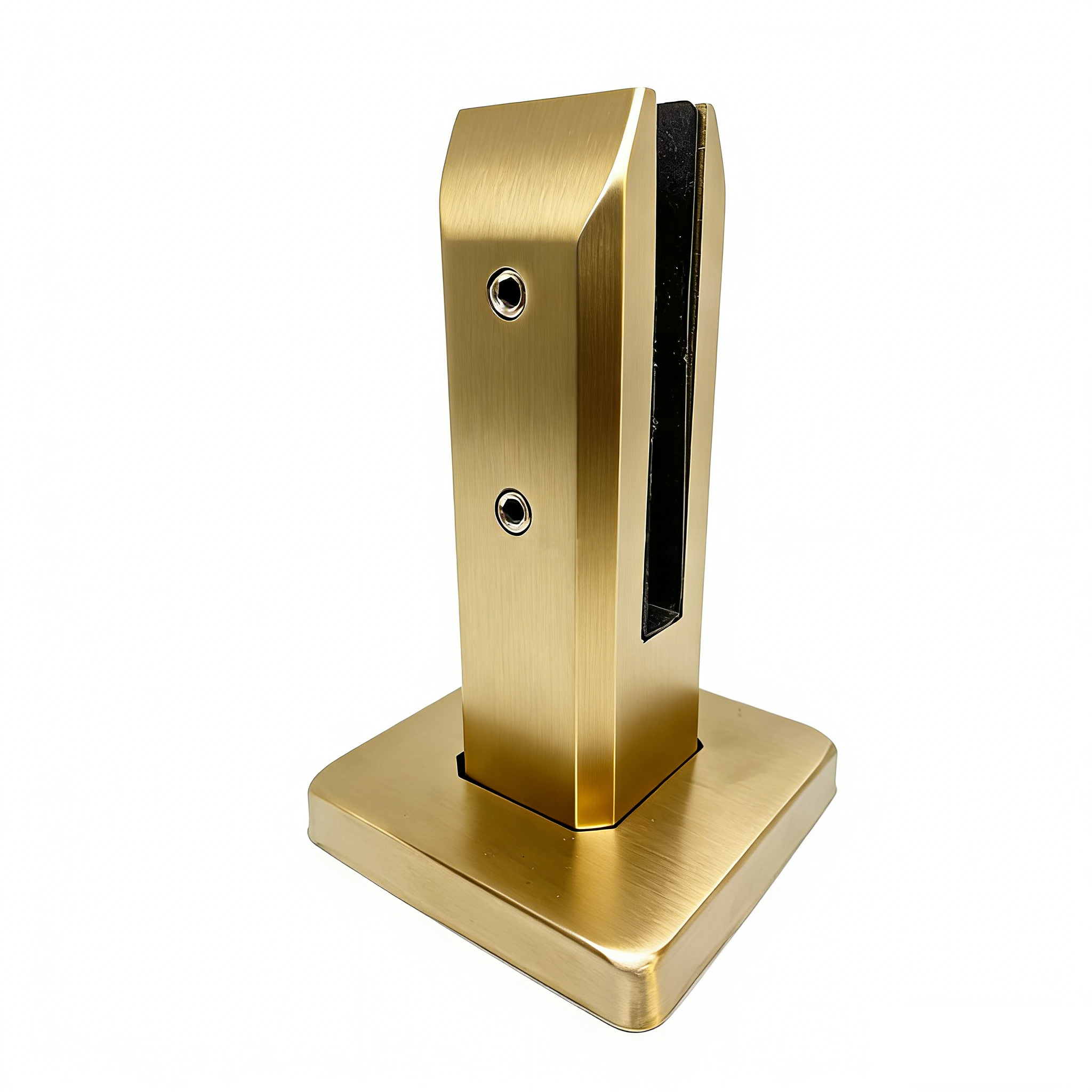
In the realm of contemporary architecture, the pursuit of transparency and minimalist aesthetics has led to the widespread adoption of frameless glass systems. Central to the structural integrity and visual appeal of these systems is the stainless steel glass spigot. These small yet robust components serve as the primary support for glass panels in pool fencing, balustrades, and staircases, offering a seamless blend of safety and sophistication. This guide explores the technical specifications, material advantages, and diverse applications of stainless steel glass spigots, providing essential insights for homeowners and industry professionals alike.
Understanding the Material: Why Stainless Steel?
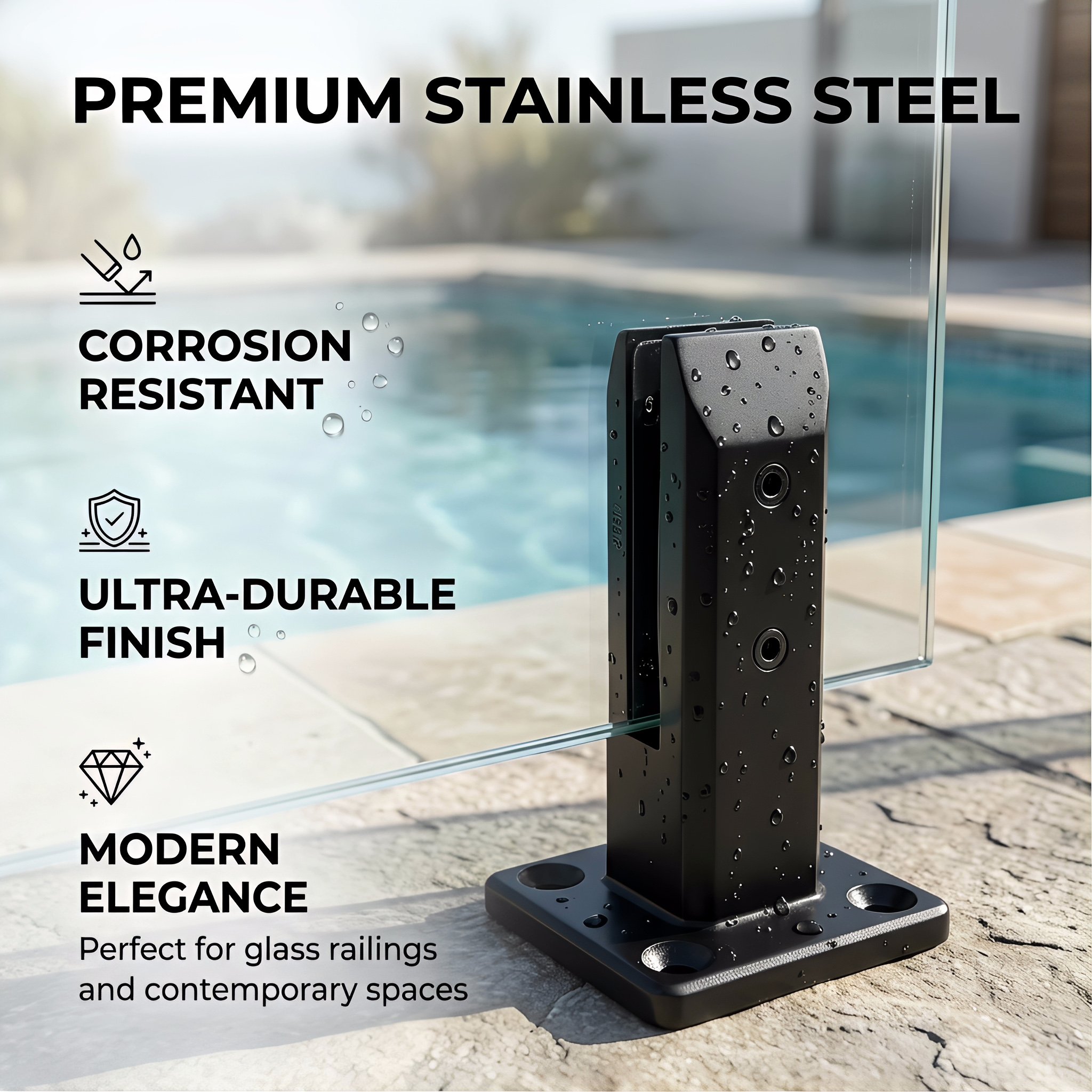
The selection of material is paramount when choosing glass spigots, as they are often exposed to harsh environmental conditions. Stainless steel is the industry standard due to its exceptional corrosion resistance and structural strength. However, not all stainless steel is created equal.
|
Material Grade
|
Corrosion Resistance
|
Recommended Application
|
|
Stainless Steel 304
|
Moderate
|
Indoor use or mild outdoor environments away from the coast.
|
|
Stainless Steel 316
|
High
|
Standard outdoor applications, including pool fencing and balconies.
|
|
Duplex 2205
|
Superior
|
Marine environments, coastal areas, and high-chlorine pool zones.
|
Duplex 2205 has emerged as the premium choice for high-end installations. It offers nearly double the strength of austenitic stainless steels like SS316 and provides superior resistance to pitting and stress corrosion cracking, making it ideal for the demanding conditions of saltwater pools.
Types of Glass Spigots: Finding the Perfect Fit
Glass spigots are available in various designs to accommodate different installation surfaces and aesthetic preferences. Understanding these variations is crucial for a successful project.
1. Core Drill Spigots
Designed for installation into concrete or tiled surfaces, core drill spigots are inserted into a hole drilled directly into the substrate and secured with non-shrink grout. This method provides a clean, “buried” look and exceptional stability.
2. Base Plate Spigots
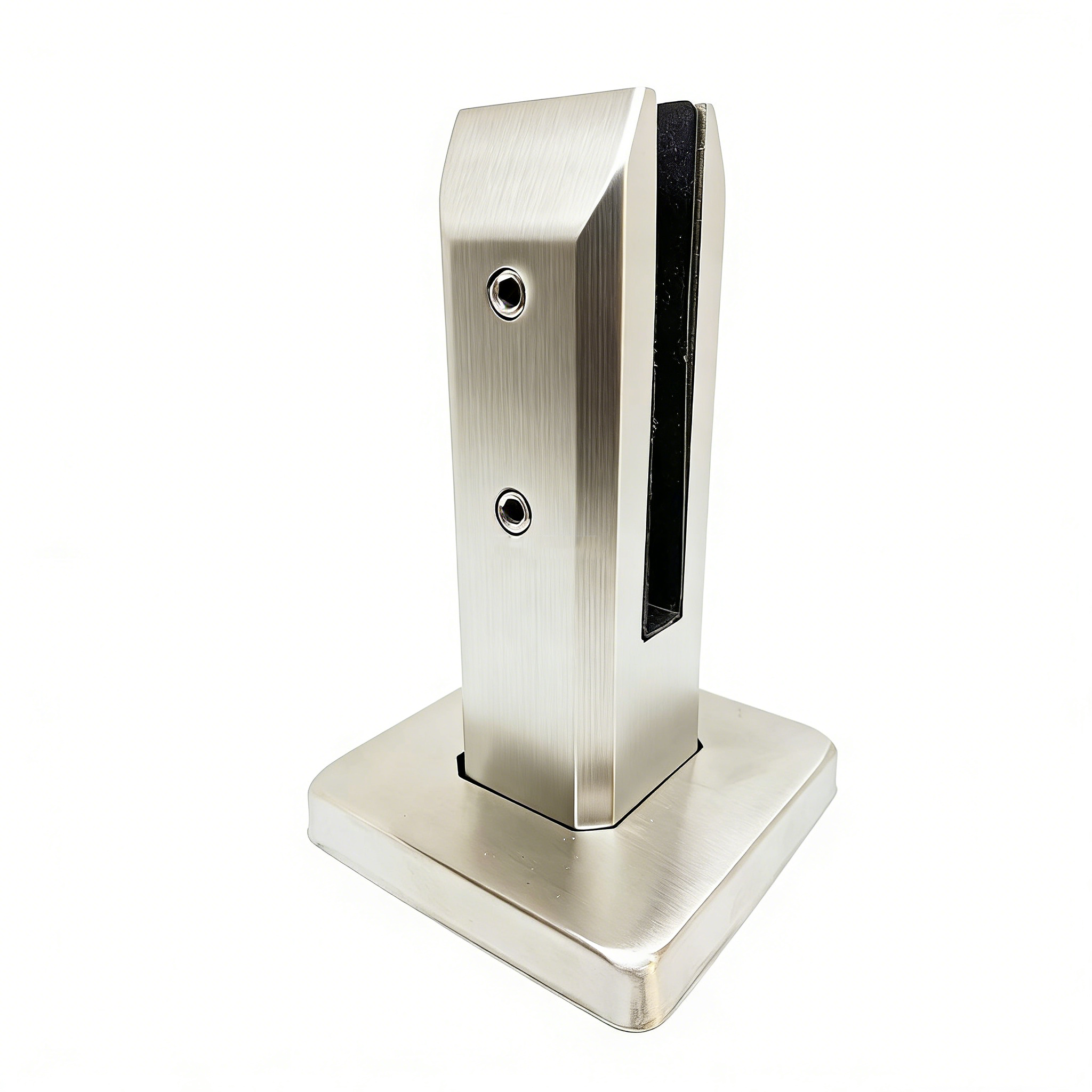
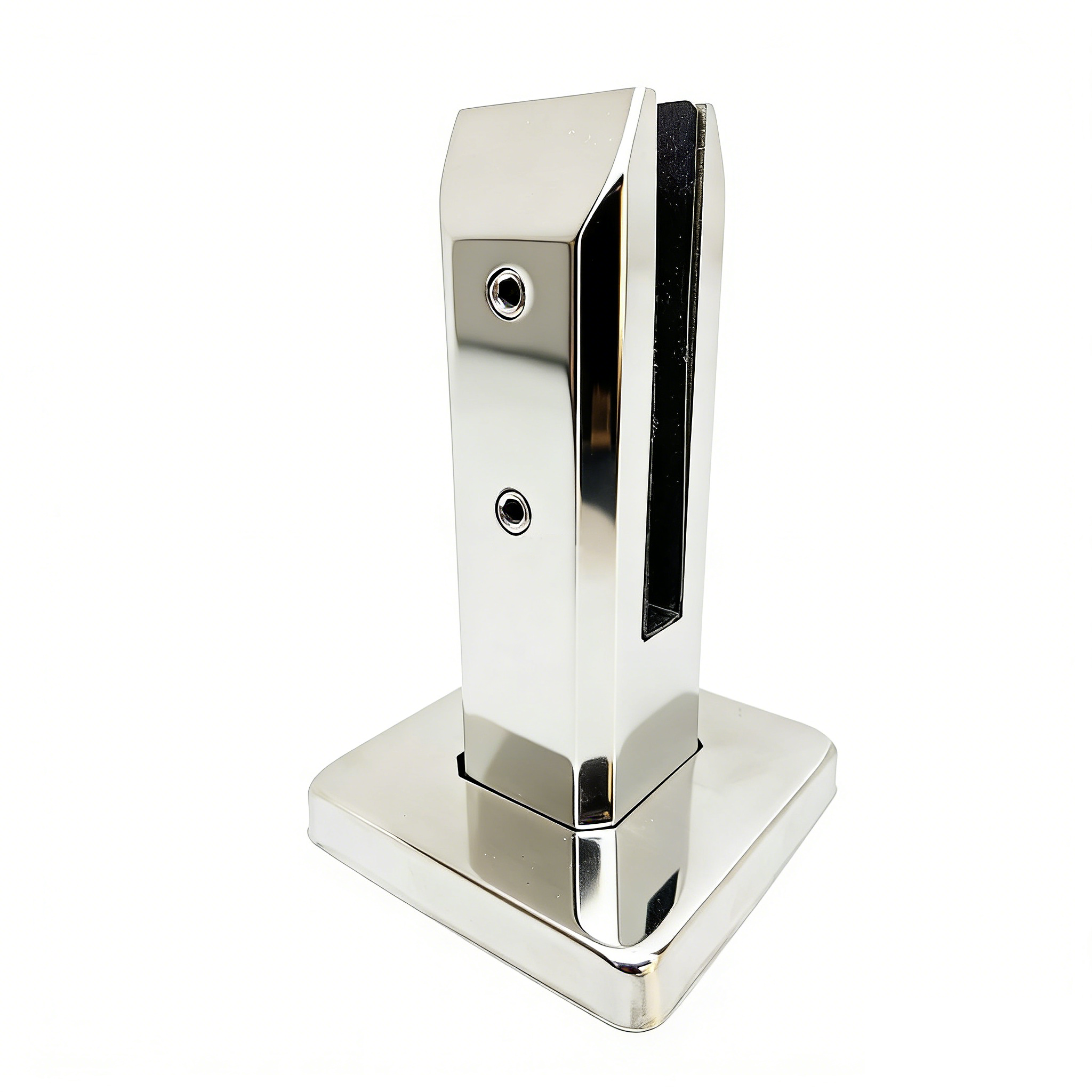
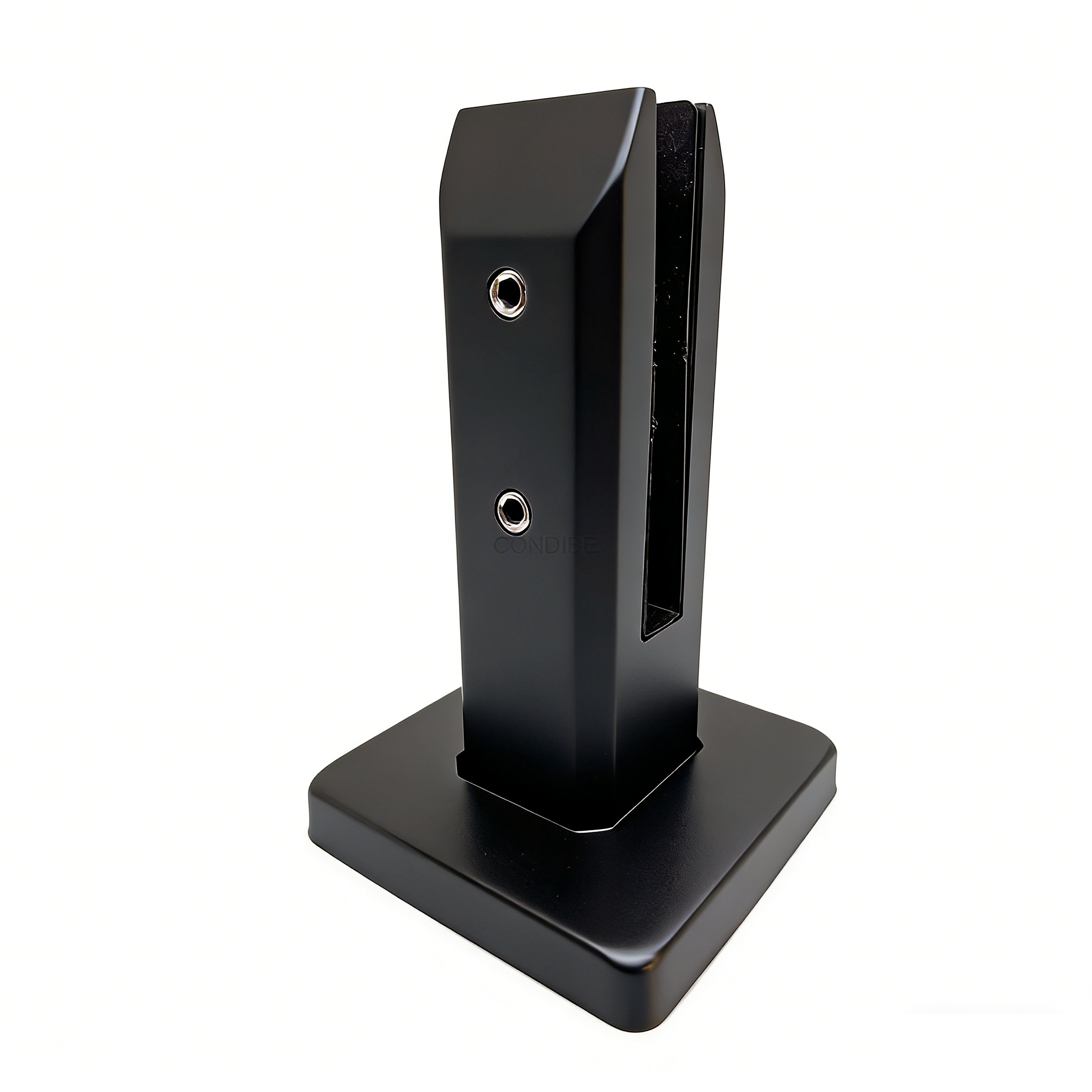
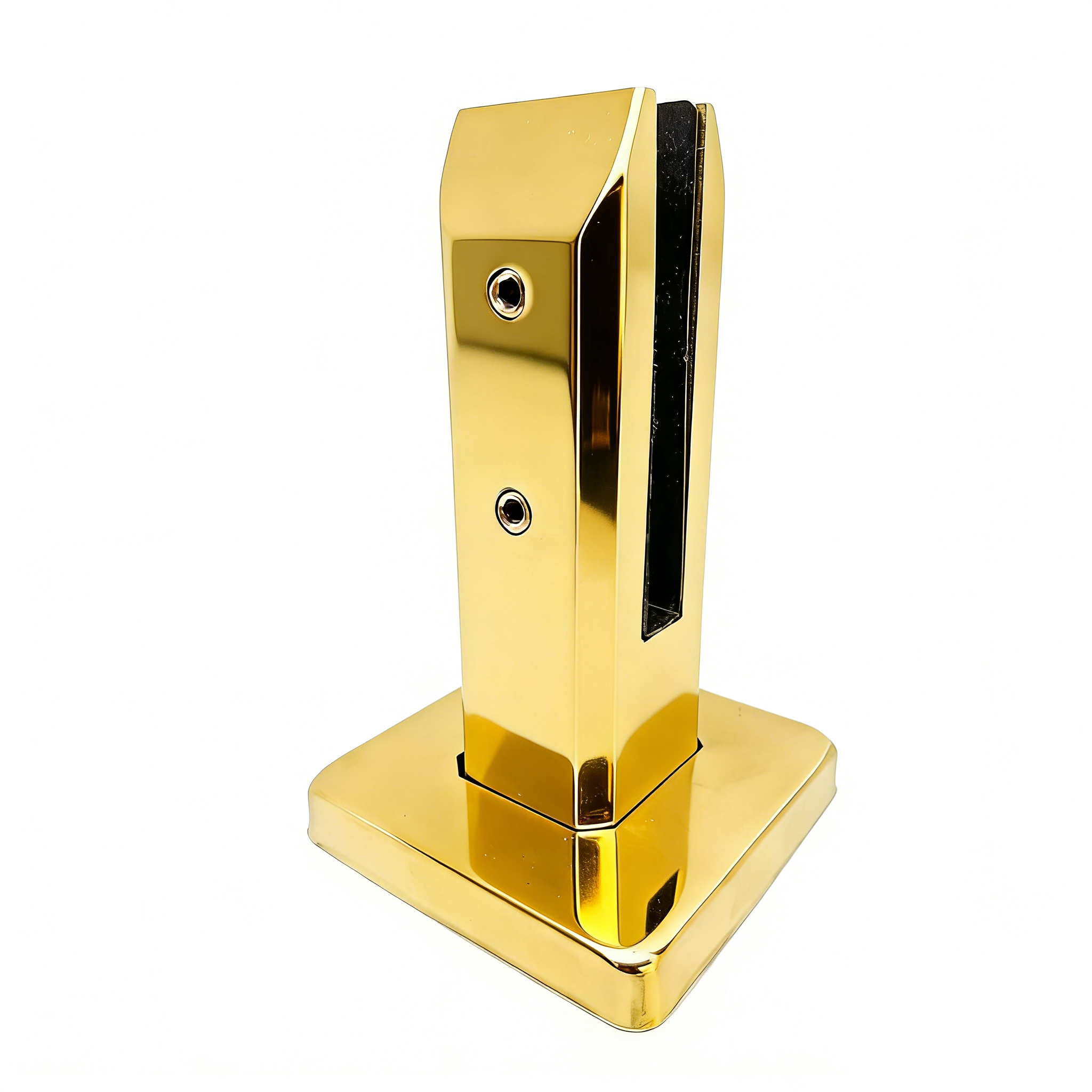
For timber decks or existing concrete where drilling deep holes is not feasible, base plate spigots are the preferred option. These spigots feature a flat base that is bolted onto the surface, often covered by a “dress ring” or cover plate to hide the fixings.
3. Square vs. Round Profiles
The choice between square and round spigots is primarily aesthetic. Square spigots offer a sharp, modern, and geometric look that complements contemporary architecture. Round spigots, on the other hand, provide a softer, more traditional appearance that blends seamlessly with curved designs.
Key Applications in Modern Architecture
The versatility of stainless steel glass spigots allows them to be used in a variety of residential and commercial settings:
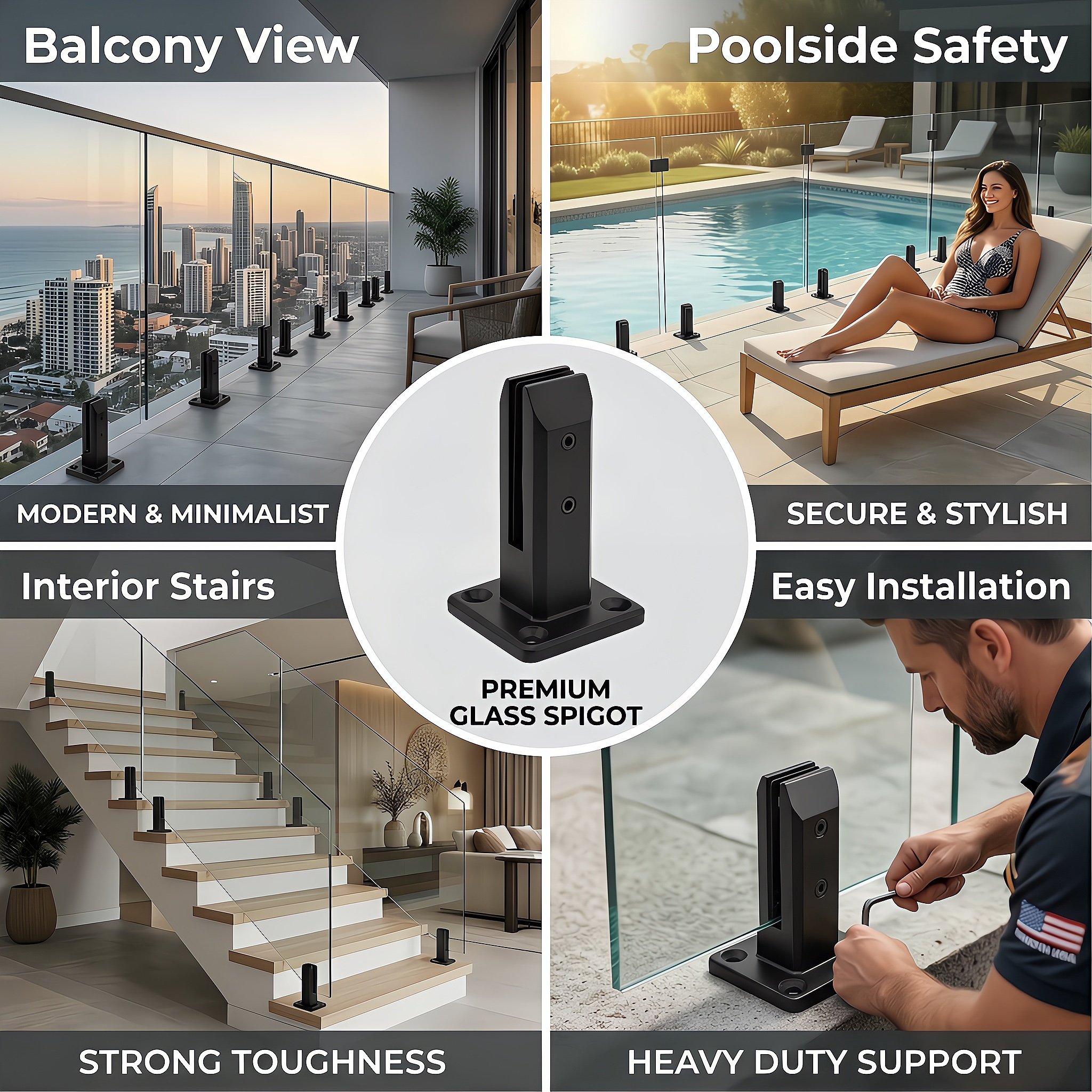
•Glass Pool Fencing: Spigots provide the necessary support for heavy tempered glass panels while maintaining an unobstructed view of the pool area, ensuring safety without compromising on style.
•Balconies and Terraces: Frameless glass balustrades supported by spigots create a sense of openness and maximize natural light, making them a popular choice for high-rise apartments and luxury homes.
•Internal Staircases: Using spigots for staircase railings adds a touch of modern elegance, making the space feel larger and more integrated.
Installation and Maintenance: Ensuring Longevity
Proper installation is critical for the safety of any glass system. Most modern spigots utilize a friction-fit system, which eliminates the need for holes in the glass panels. This not only simplifies the installation process but also reduces the risk of glass breakage during assembly.
To maintain the pristine appearance of stainless steel hardware, regular maintenance is required:
1.Routine Cleaning: Wipe down the spigots with warm water and a mild detergent to remove dust and salt deposits.
2.Avoid Abrasives: Never use steel wool or harsh chemicals, as these can damage the protective chromium oxide layer of the stainless steel.
3.Periodic Inspection: Check the tightness of the grub screws and the condition of the rubber gaskets to ensure the glass remains securely held.
Choosing the Right Spigot for Your Project
When selecting stainless steel glass spigots, consider the following factors to ensure optimal performance:
•Environment: If you live within 5km of the ocean, Duplex 2205 is highly recommended to prevent “tea staining” or rust.
•Glass Thickness: Ensure the spigots are compatible with your glass panels, typically ranging from 10mm to 15mm.
•Compliance: Verify that the hardware meets local building codes and safety standards, particularly for pool fencing applications.
Conclusion
Stainless steel glass spigots are more than just functional hardware; they are essential elements of modern architectural design. By combining the strength of advanced alloys like SS316 and Duplex 2205 with sleek, minimalist aesthetics, these components enable the creation of safe, durable, and visually stunning glass structures. Whether you are renovating a pool area or designing a new balcony, choosing high-quality stainless steel spigots is an investment in both safety and style.


Reviews
There are no reviews yet.