


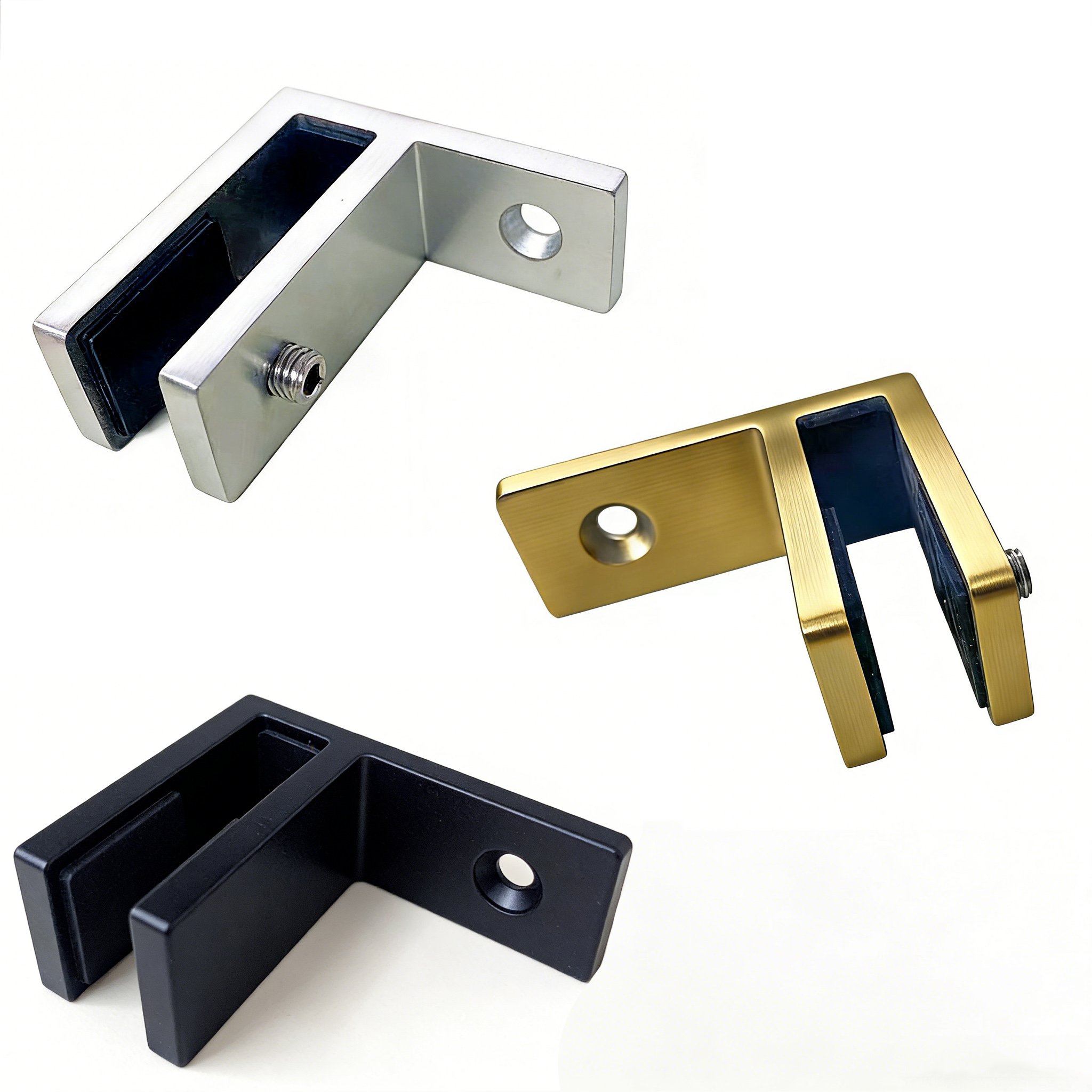
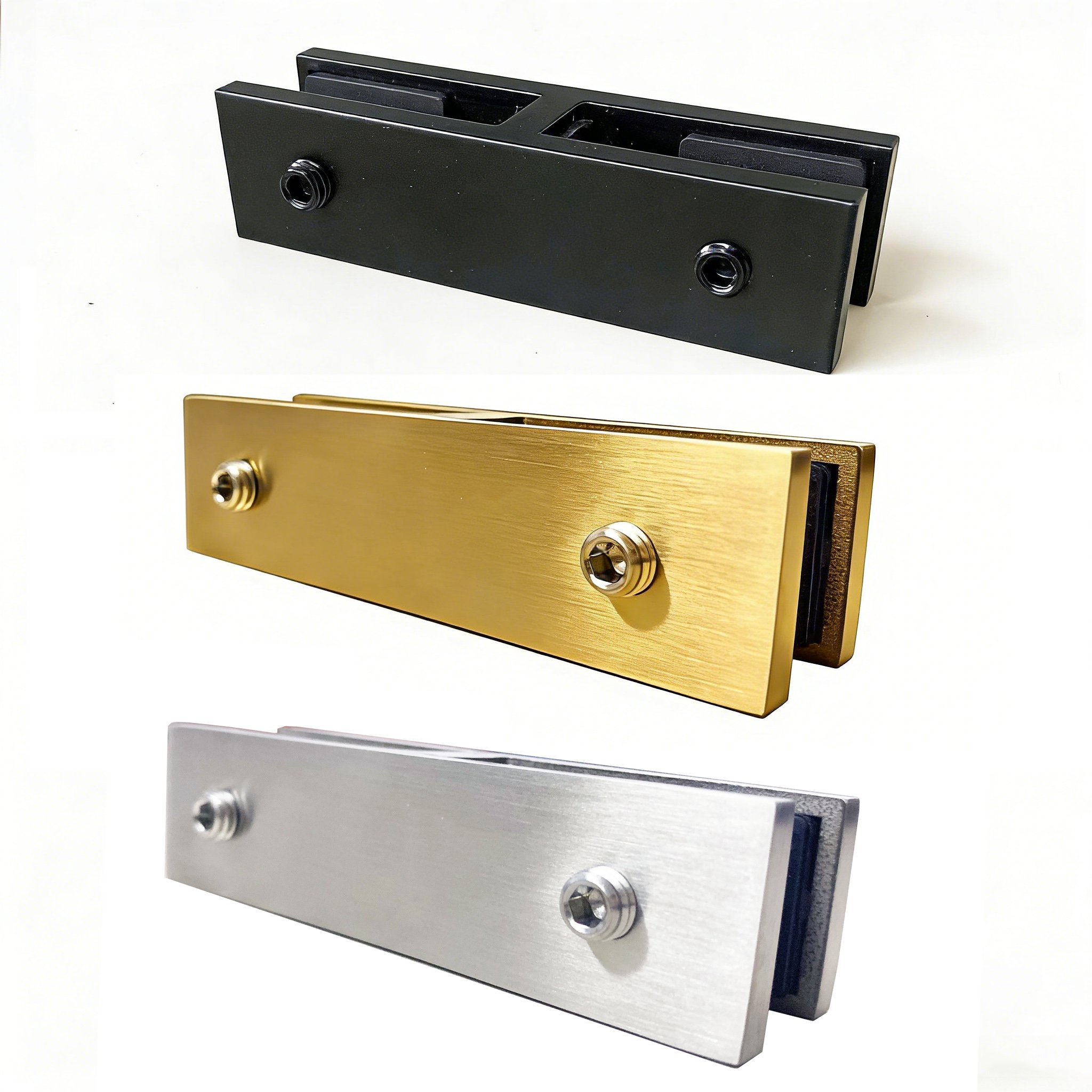

Description
 Glass Connectors – Precision Hardware for Strong, Seamless Glass Structures
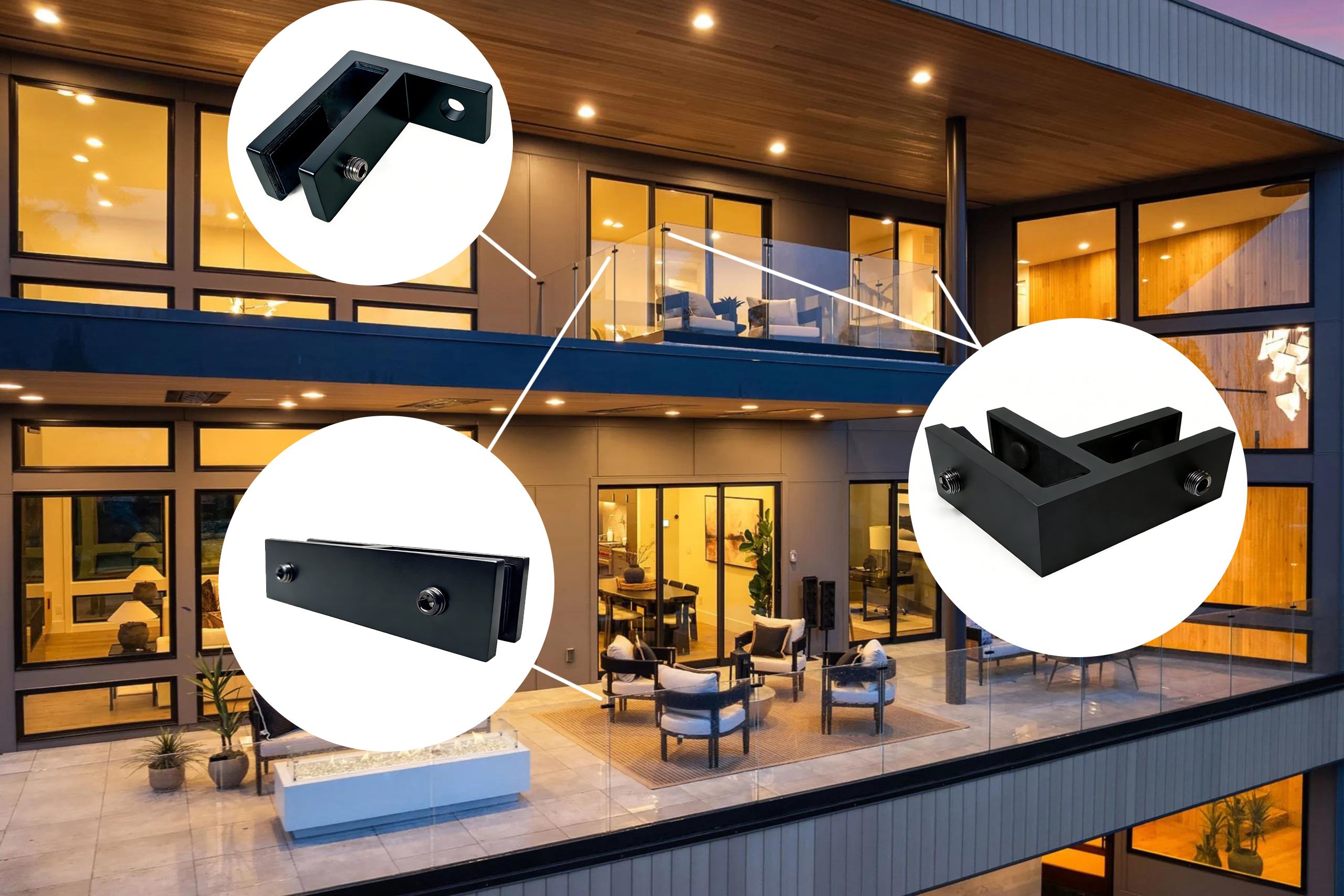 Glass Connectors – Precision Hardware for Strong, Seamless Glass Structures
Glass connectors are essential architectural fittings designed to join glass panels securely while maintaining a sleek, frameless aesthetic. Whether used in glass doors, partitions, railings, or façade systems, these precision components play a key role in combining safety, durability, and contemporary design.
1. What Are Glass Connectors?
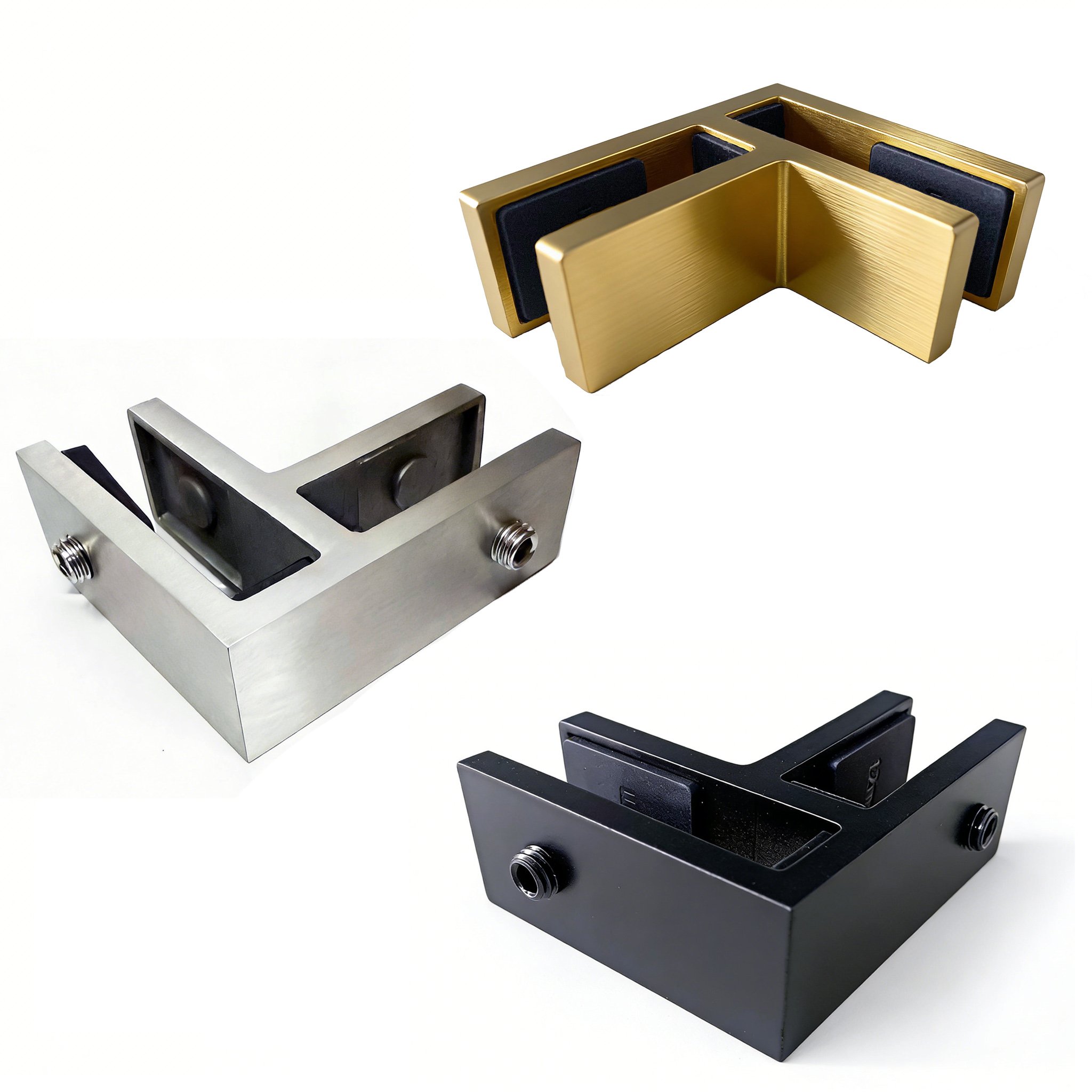
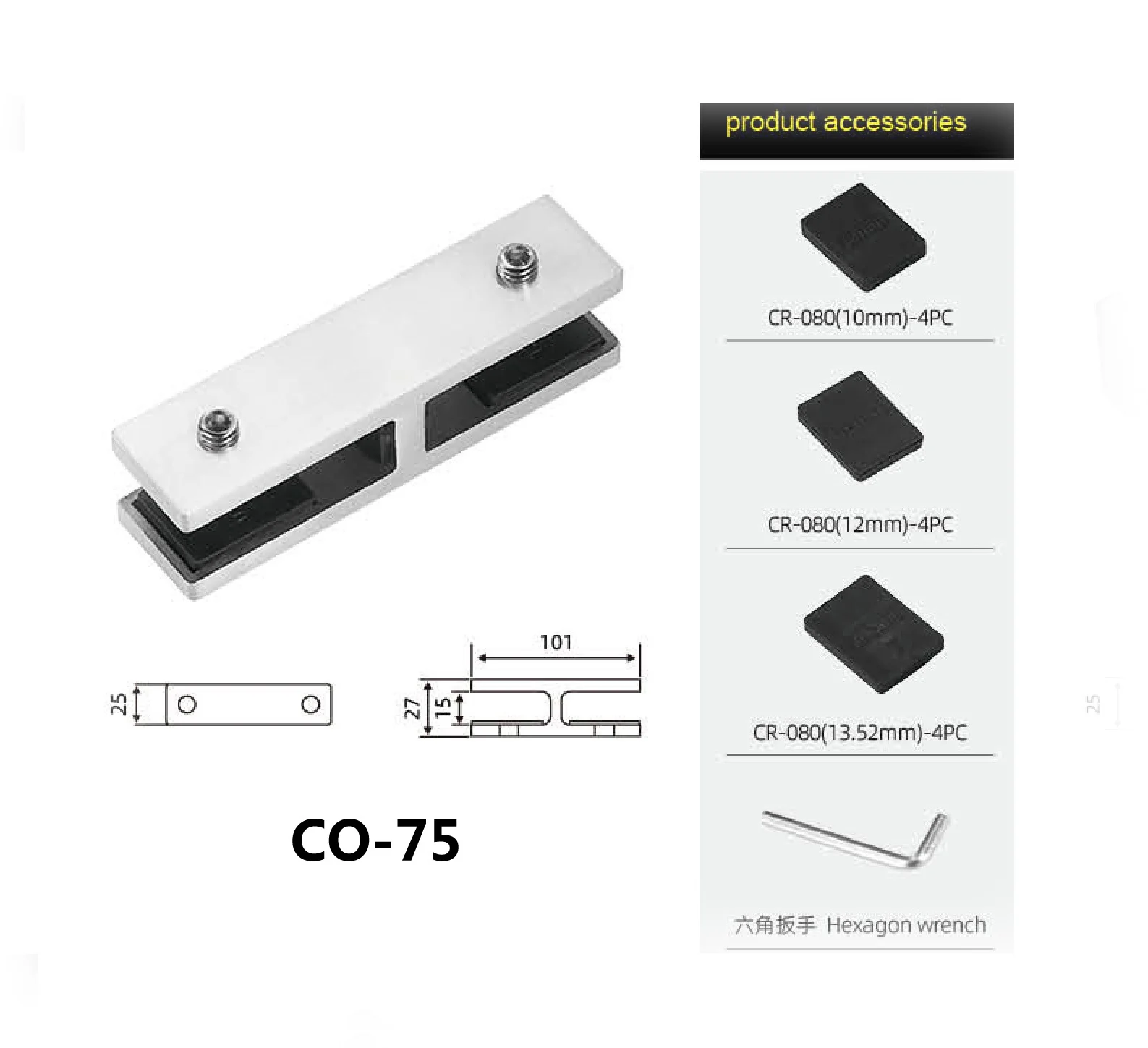
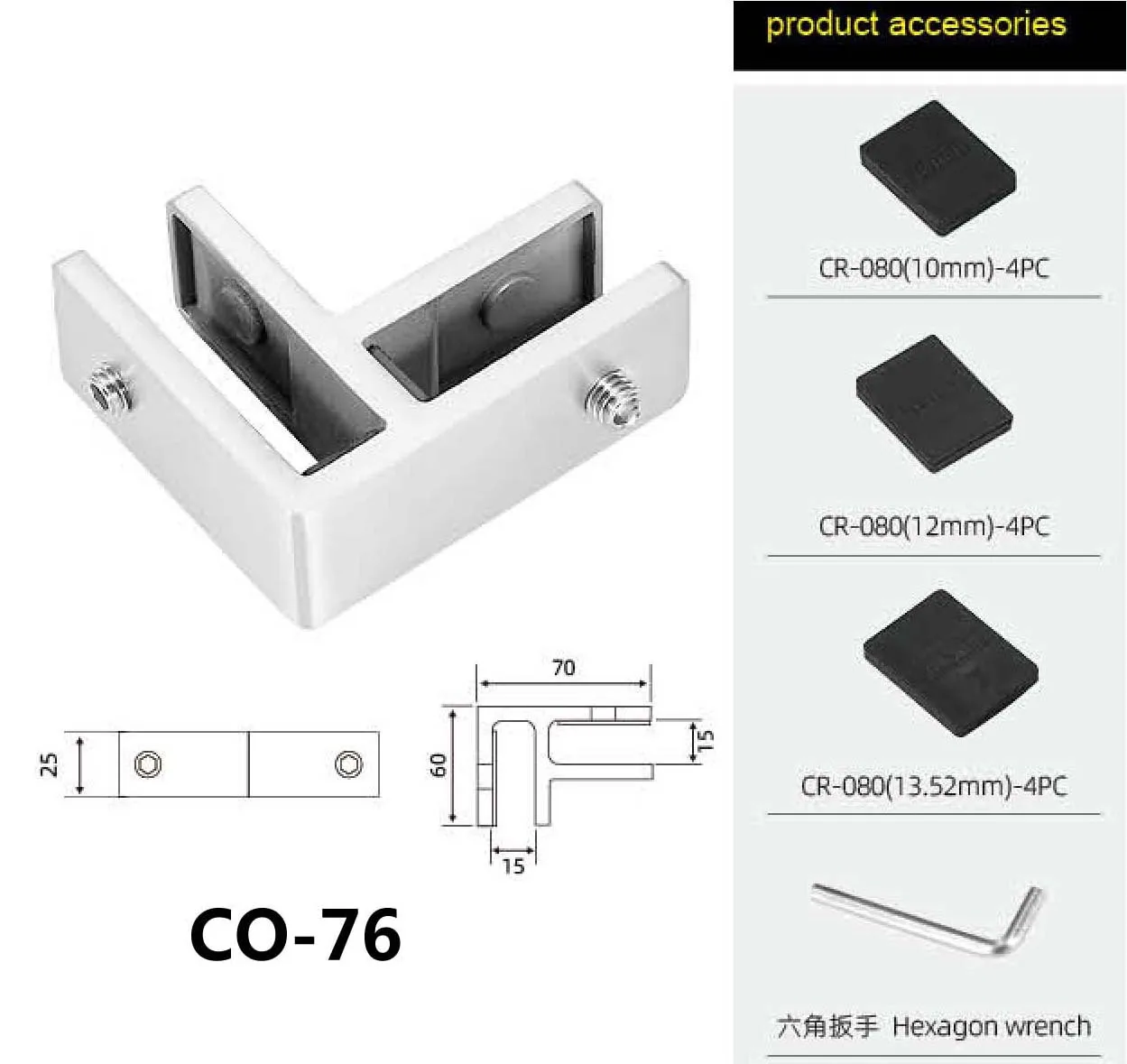
A glass connector is a stainless steel or zinc‑alloy fitting engineered to hold two or more glass panels together at specific angles. They come in many shapes — such as 90‑degree, 180‑degree, T‑type, and cross connectors — allowing flexibility in both structural and decorative applications.
By connecting panels seamlessly, connectors create smooth, transparent transitions that enhance the open feel of any space while ensuring a high level of stability.
2. Advantages of Using Stainless Steel Glass Connectors
✔ Superior Strength and Stability
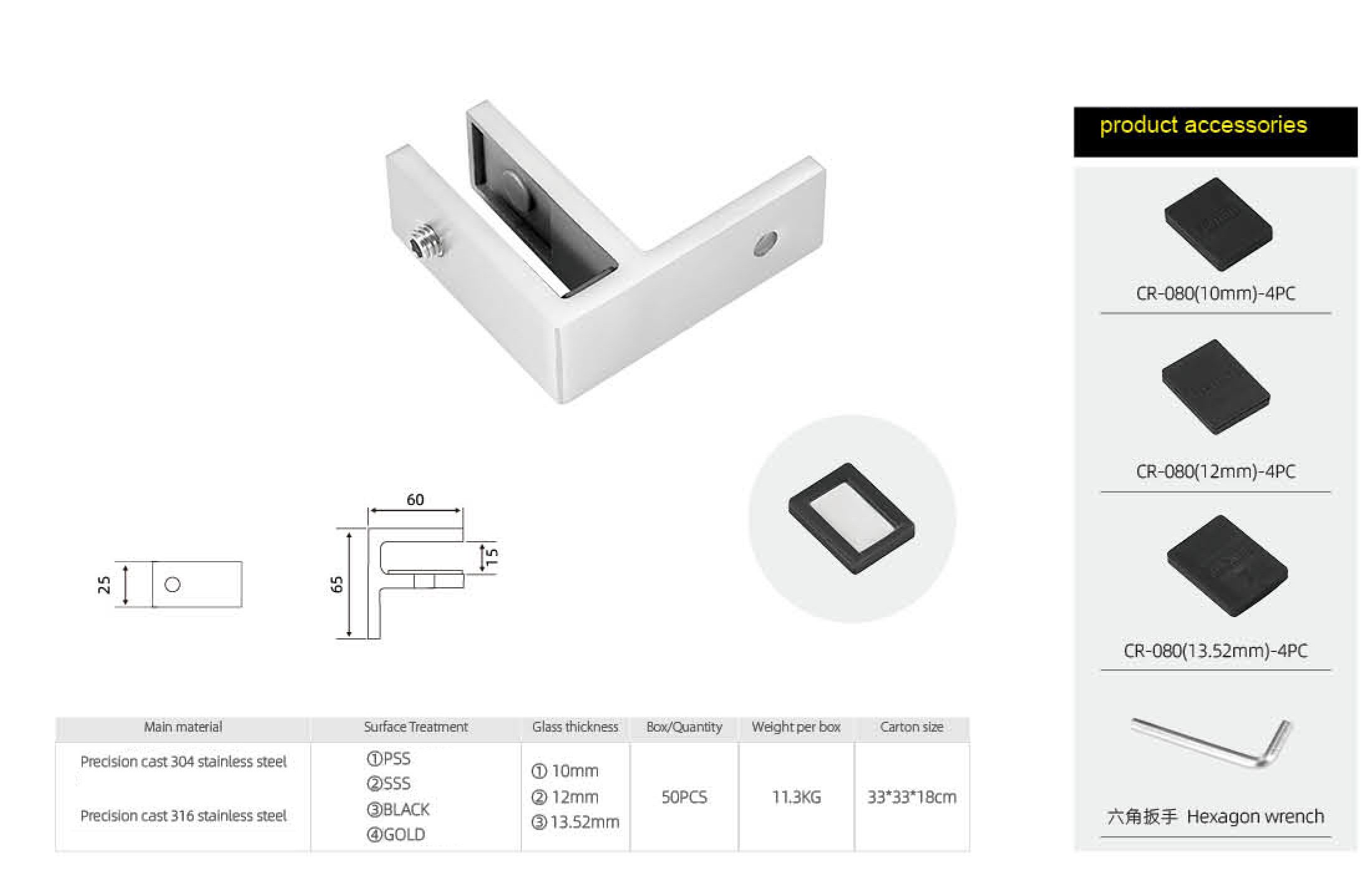
Glass connectors are manufactured from high‑quality stainless steel (304 or 316 grade), providing strong load‑bearing capacity, corrosion resistance, and a long service life — even in outdoor or humid environments.
✔ Elegant Frameless Appearance
These fittings enable designers to achieve a minimalist, frameless glass look. The metal components are compact and polished, highlighting clarity and transparency while keeping the structure solid.
✔ Easy Installation & Maintenance
Glass connectors can be installed quickly with standard hardware tools. Polished or brushed finishes resist fingerprints and require minimal cleaning, keeping glass structures pristine and modern.
✔ Wide Application
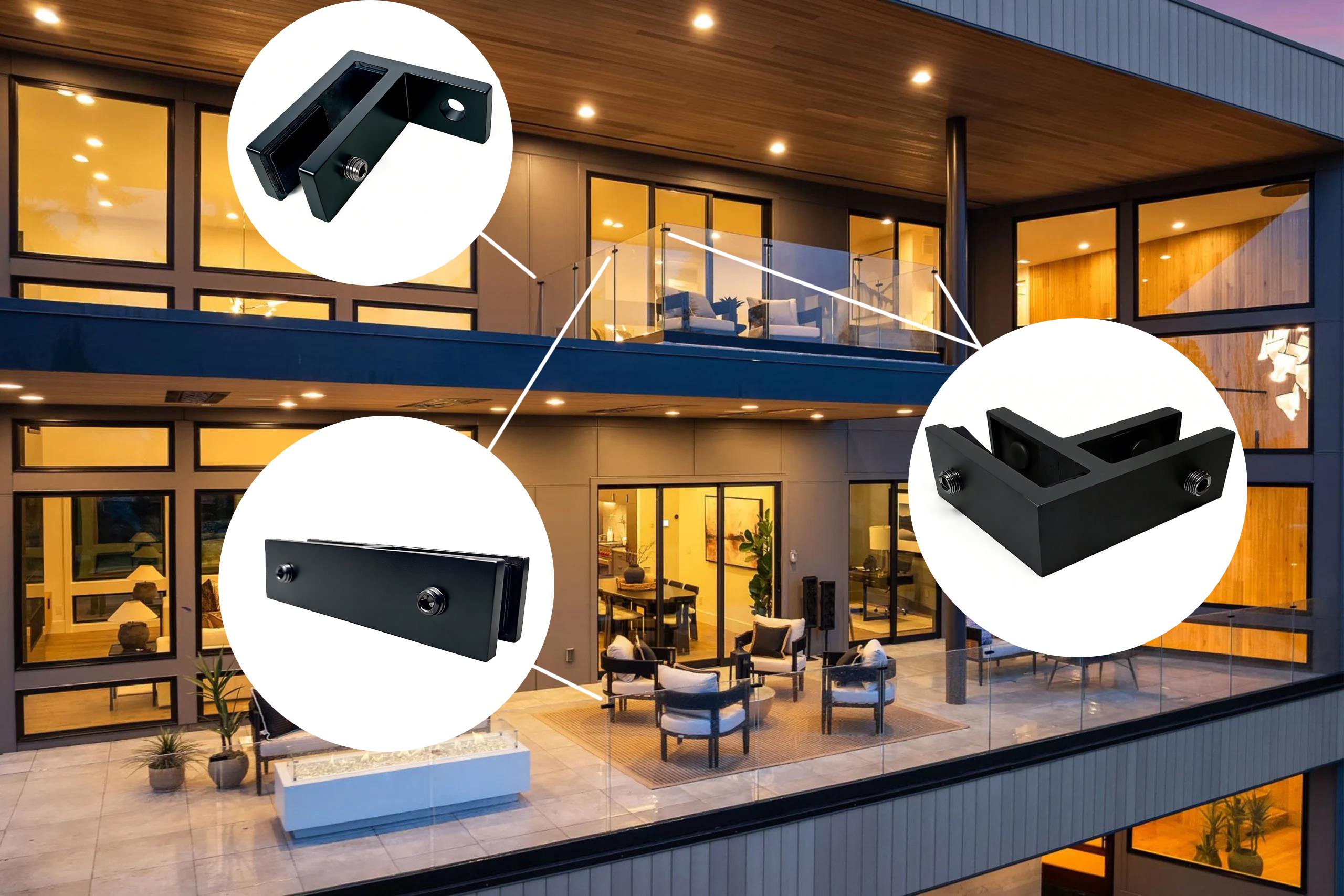
Used across commercial and residential projects, glass connectors can be found in:
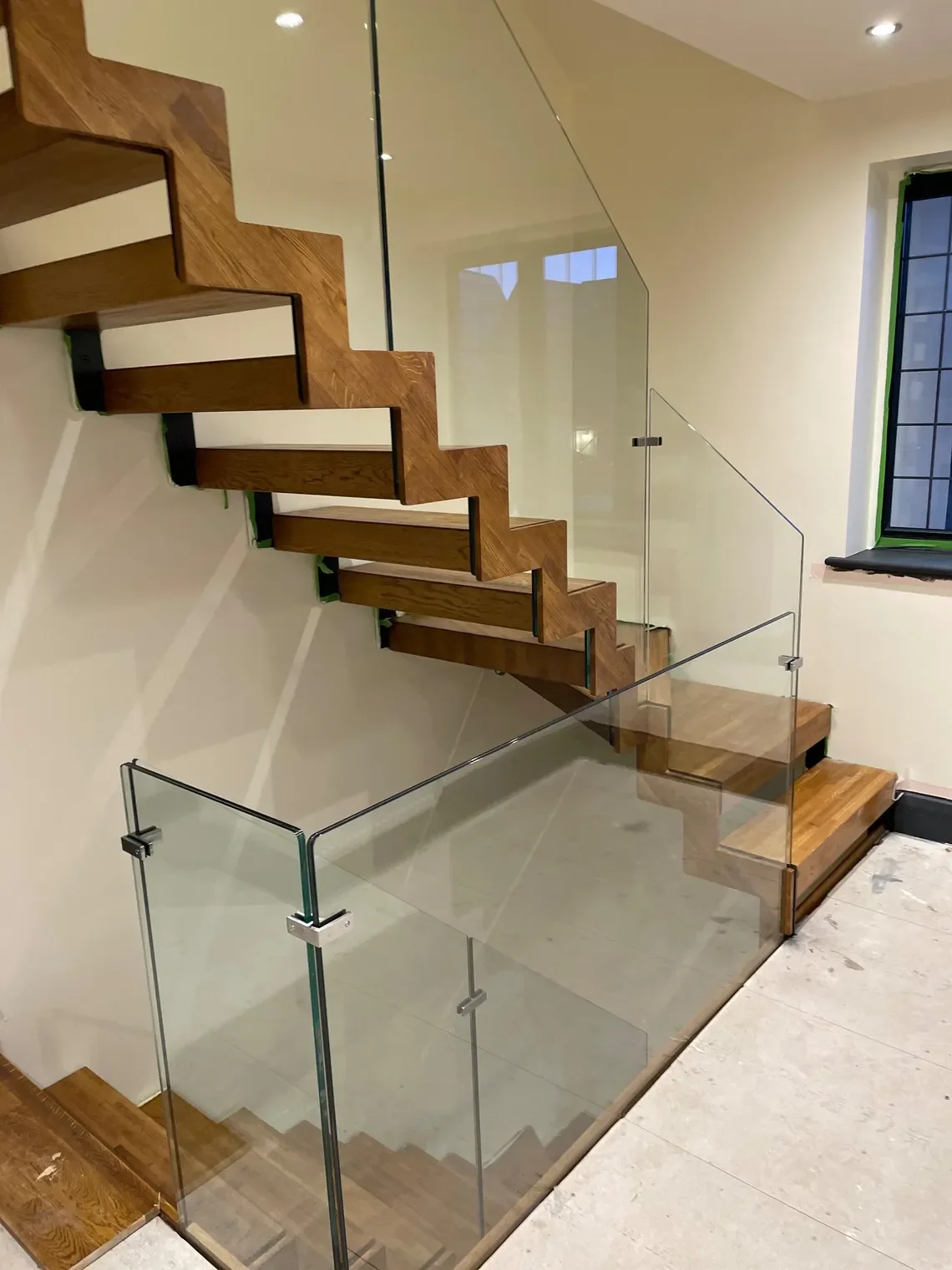
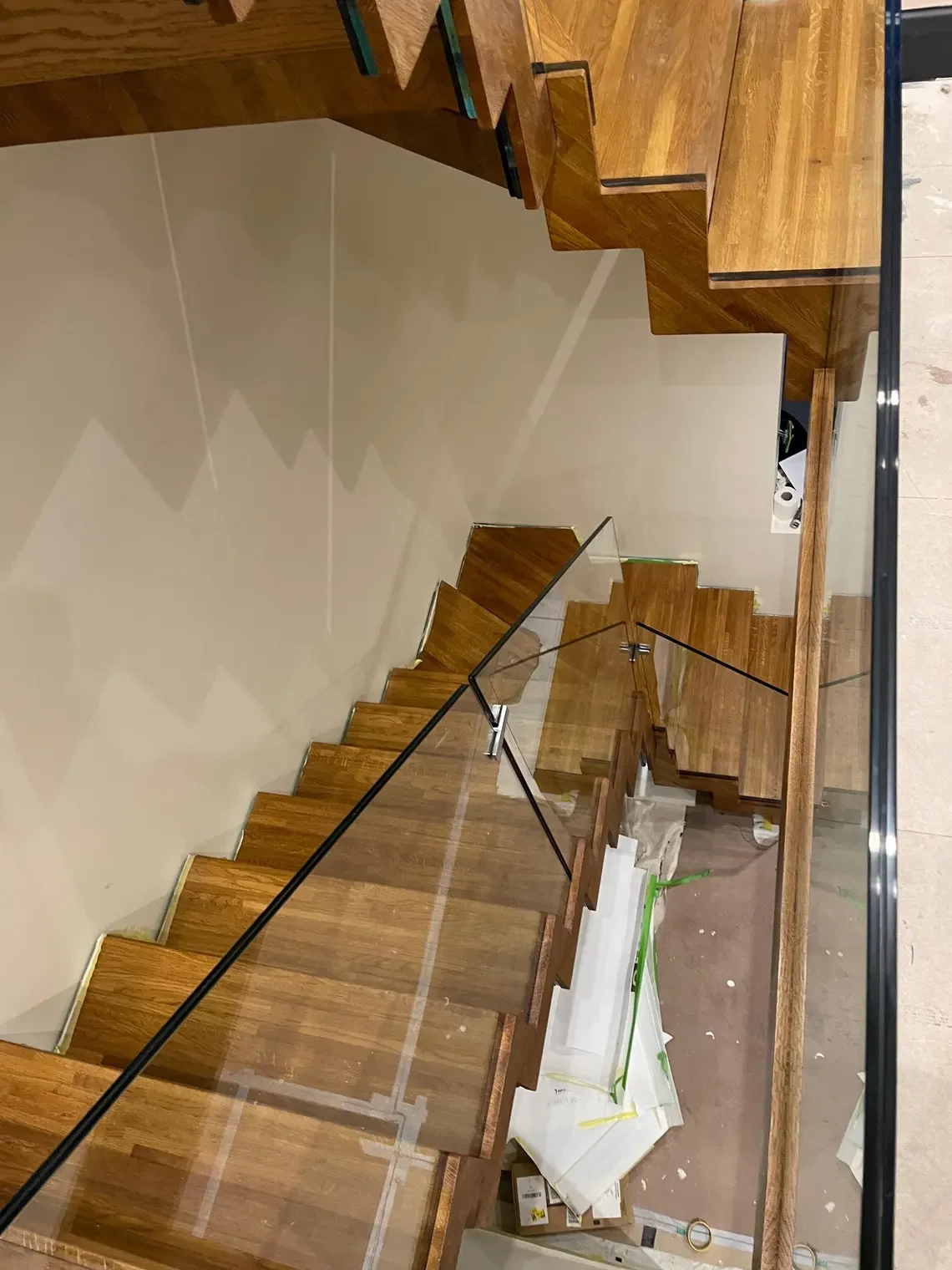
- Glass balustrades and railings
- Shower cubicles and glass doors
- Storefronts, exhibition displays, and office partitions
- Curtain wall and façade systems
3. Common Types of Glass Connectors
- 90° Corner Connectors: Join two panels at right angles; ideal for glass enclosures.
- 180° Inline Connectors: Connect panels in a straight line for partitions.
- T‑Shaped Connectors: Attach three glass sections in a T‑layout.
- Cross Connectors: Hold four panels together for multi‑directional structures.
Each type is available in different sizes and surface finishes to match your design needs.
4. Material & Finish Options
Glass connectors are available in:
- Brushed stainless steel: Modern matte finish, durable and fingerprint‑resistant.
- Mirror polished finish: Bright, reflective surface for luxury interiors.
- Black or gold coating: Stylish finishes for contemporary or themed designs.
For outdoor environments, SS316 offers the best resistance to salt and humidity, ensuring long‑lasting performance.
5. Installation Tips
- Confirm the glass thickness matches the connector specs (commonly 8–12 mm).
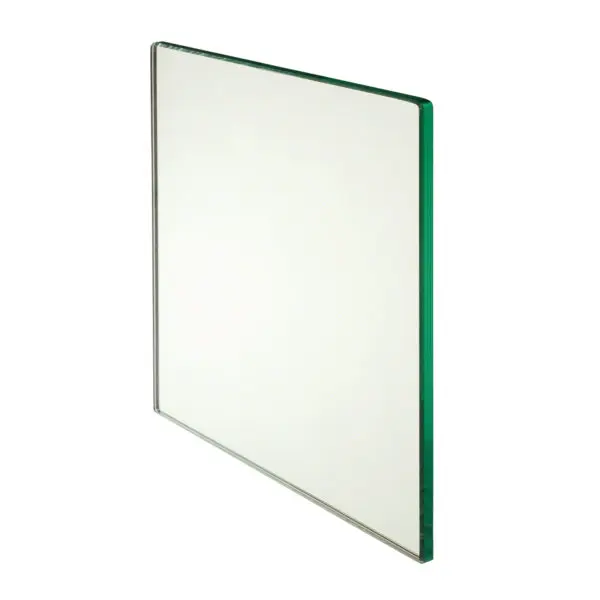
- Always use tempered safety glass for structural applications.
- Ensure even tightening of bolts to prevent glass stress or cracking.
- Use rubber washers or gaskets between metal and glass surfaces.
🔚 Conclusion
Glass connectors merge engineering precision with modern design. They make glass structures safer, stronger, and more visually appealing — the perfect choice for builders and designers aiming for clean, contemporary lines. With premium stainless steel glass connectors, your projects achieve both architectural integrity and aesthetic excellence.
Target Keywords:
glass connector, stainless steel glass connector, glass connector fittings, frameless glass hardware, glass rail joint, glass partition connector, modern glass fitting, architectural glass hardware
Reviews
There are no reviews yet.