


Description
Product Description
|
Product Name
|
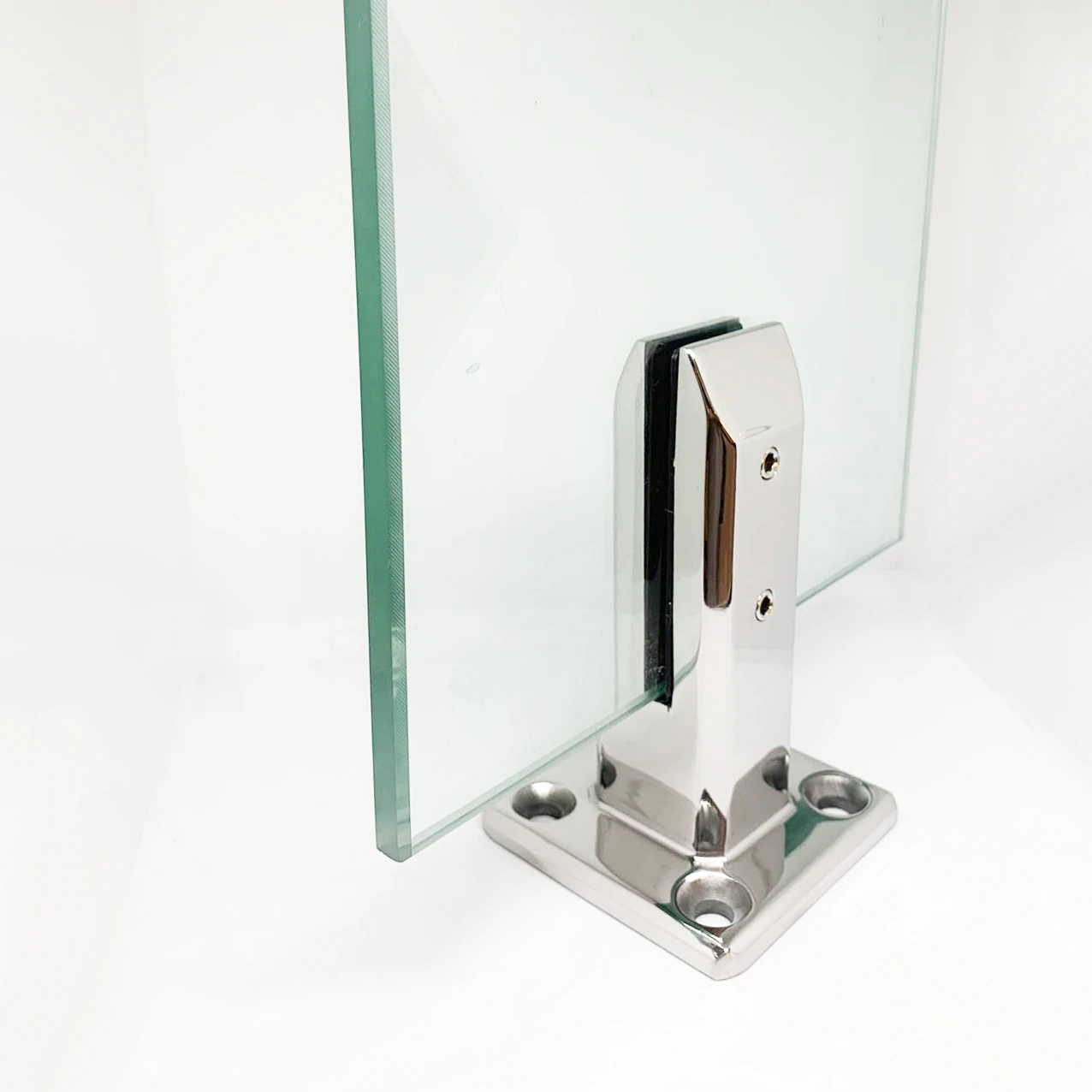
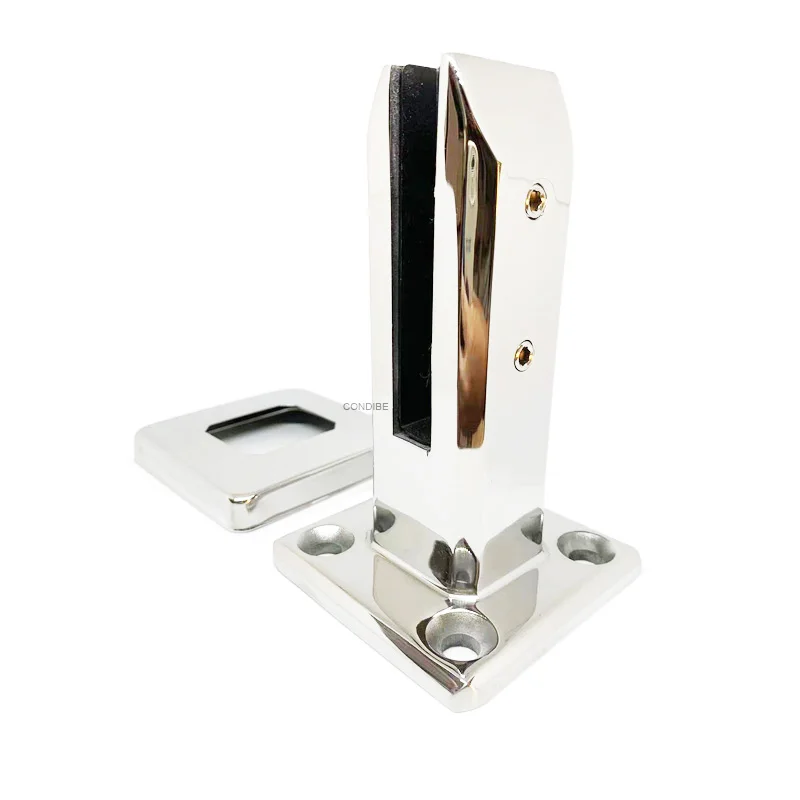
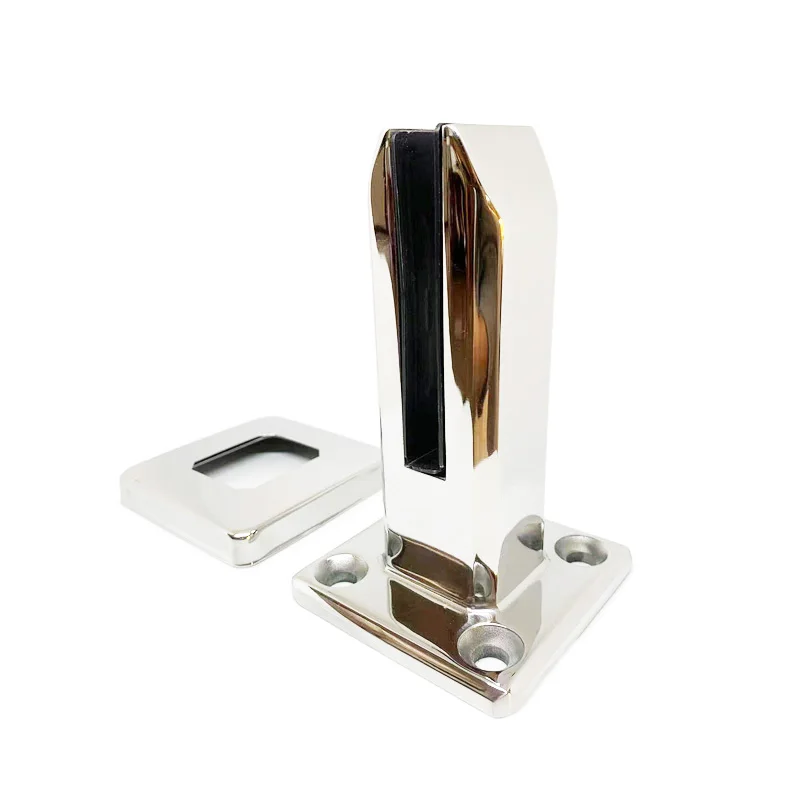
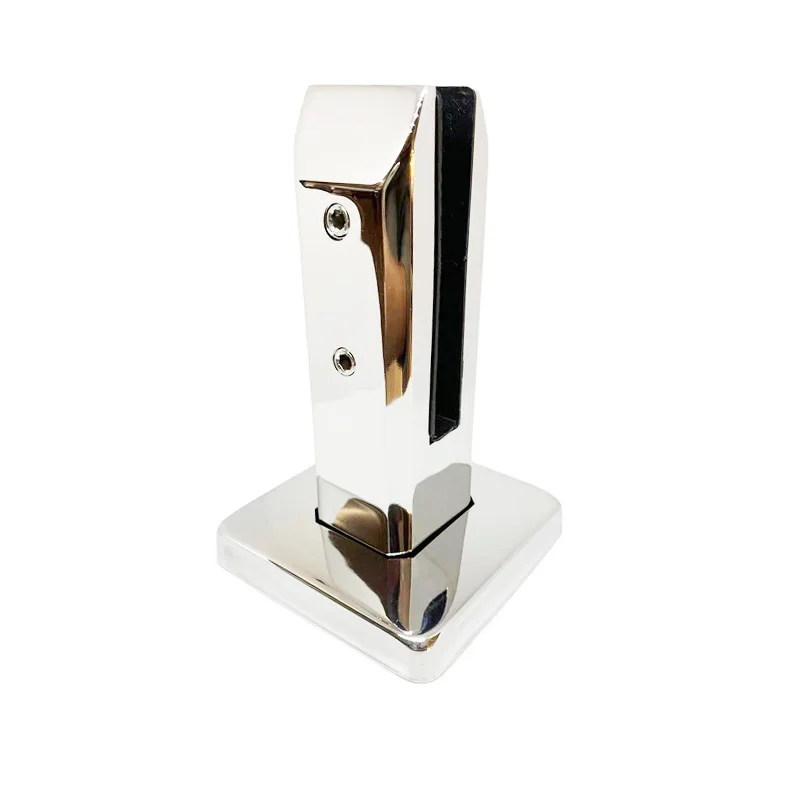
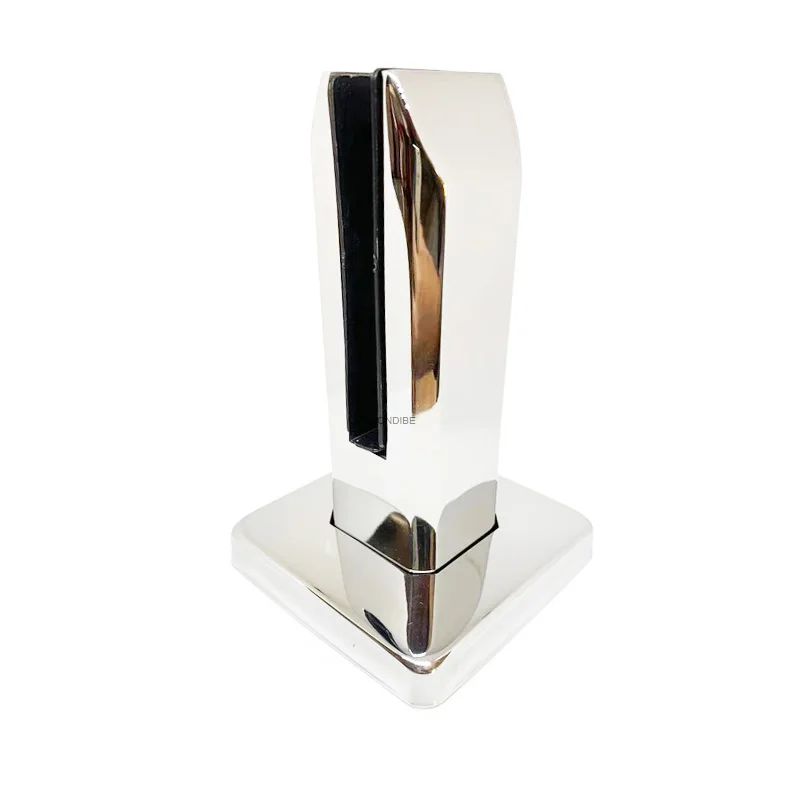
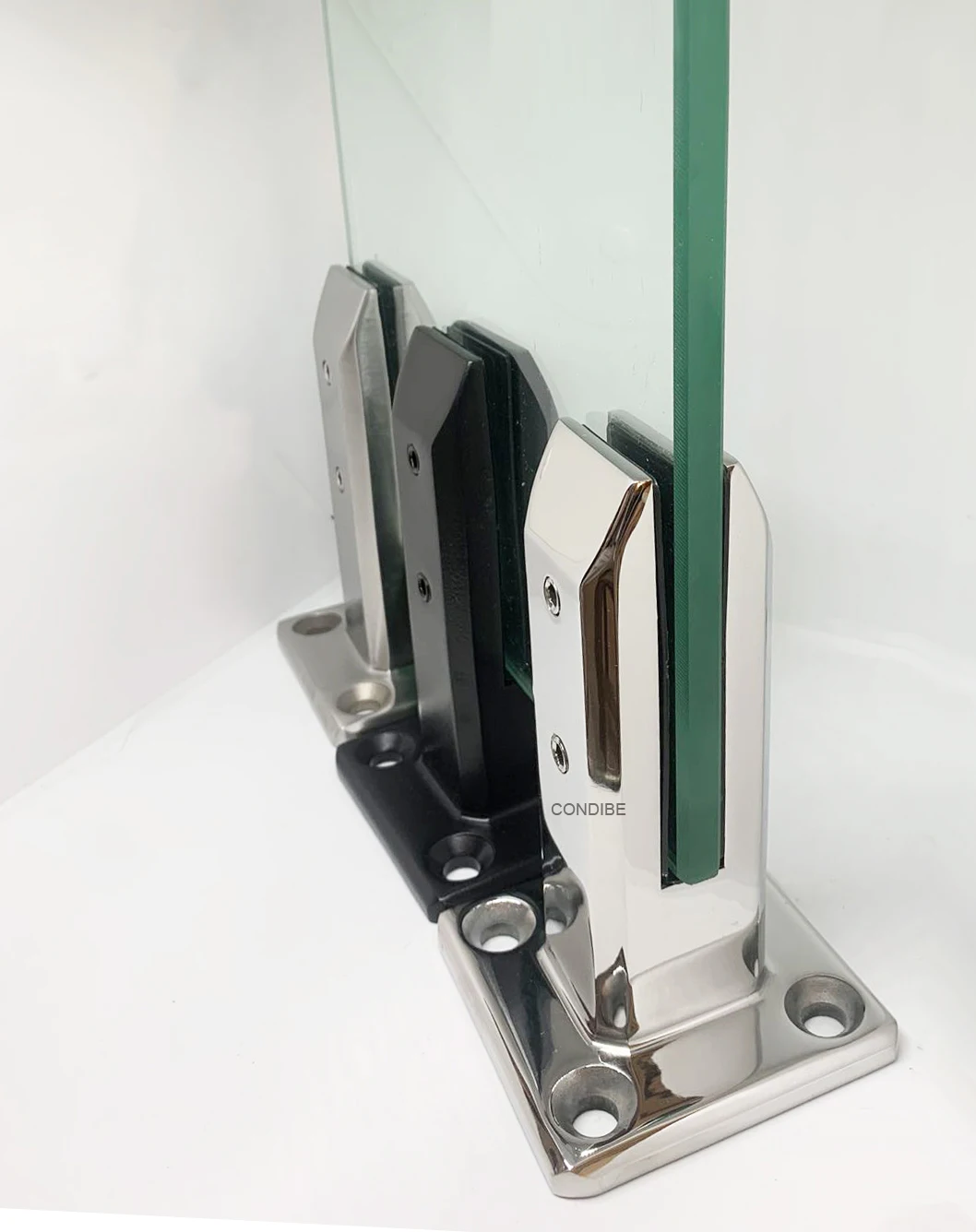
Stainless steel glass fence railing spigot
|
|
Material
|
stainless steel
|
|
Color
|
Satin,Mirror,Black
|
|
Grade
|
Aisi304 Aisi316 Duplex2205
|
|
Sample
|
Avaible
|
|
Payment term
|
T/T, Western Union, Secure payment 50% payment in advance and 50% balance against B/L;
|
|
Package
|
seal bag + carton + pallet
|


Spigot Clamp Scaffolding: Engineering Safety and Site Efficiency
Meta Description: Discover the technical world of spigot clamp scaffolding. Learn about EN74 standards, load-bearing capacities, and how modular ringlock systems enhance construction site safety and structural integrity.
In the fast-paced world of modern construction, the demand for modular, high-strength, and adaptable support systems has never been higher. Spigot clamp scaffolding, often integrated into advanced systems like Ringlock or Cuplock, stands as a cornerstone of engineering excellence. Unlike traditional tube-and-clamp methods that require manual bolt-tightening for every connection, spigot-based systems utilize precision-engineered tubular connectors to ensure rapid, secure, and error-free assembly.
This article explores the technical specifications, international safety standards, and industrial applications that make spigot clamp scaffolding the preferred choice for large-scale infrastructure and maintenance projects.
The Engineering of the Spigot Clamp
At its core, a spigot is a tubular connector designed to fit perfectly into the end of a vertical standard or a rosette joint. When combined with a spigot clamp, it creates a rigid, load-bearing connection that maintains the vertical alignment of the scaffold.
1. Types of Scaffolding Spigots
•Fixed Spigots: Welded directly into the vertical standards, providing maximum stability and high load-bearing capacity for permanent or heavy-duty structures.
•Loose Spigots: Removable connectors that offer flexibility for quick assembly and disassembly, ideal for lighter-duty or temporary access jobs.
•Double Wedge Spigots: Feature a reinforced locking mechanism with two wedges, providing an even tighter grip for industrial settings where vibration or uneven terrain is a factor.
2. Material and Finish
Most high-quality spigot clamps are manufactured from forged steel or low-carbon steel, often meeting Class 8.8 bolt specifications. To ensure longevity in harsh environments, these components undergo hot-dip galvanization or powder coating, providing a corrosion-resistant barrier that exceeds OSHA and EN regulations.
International Safety Standards: EN74 and BS1139
Safety in scaffolding is governed by strict international codes. For spigot clamps and couplers, the most critical standards are EN74 and BS1139.
•EN74 Class A: Specifies the basic structural safety criteria, including anti-slip properties and deformation resistance.
•EN74 Class B: A higher standard with stricter distortion limits, designed for high-rise or heavy-load applications where the risk of structural failure must be minimized.
•Safe Working Load (SWL): A typical right-angle coupler might have an SWL of 6.25 kN, while vertical standards in a spigot system can often sustain loads of 6.0 kN per leg, depending on the bracing configuration.
Maximizing Site Efficiency with Modular Systems
The primary advantage of spigot clamp scaffolding is its role in modular scaffolding systems like Ringlock.
•Automatic Angles: The rosette joint in a spigot system often features eight openings, allowing horizontals and diagonals to connect at “automatic angles” (typically 90 degrees) without the need for manual measurement.
•Angular Flexibility: Elongated holes in the rosette allow for connections between 30 and 60 degrees, making it ideal for curved, polygonal, or triangular scaffold designs.
•Reduced Labor Costs: Because the spigot fits directly into the joint, the number of loose fittings is reduced, significantly cutting down on installation time and labor costs.
Load Capacity and Structural Integrity
Determining the load capacity of a spigot system involves calculating both Dead Loads (the weight of the pipes, jacks, and planks) and Live Loads (the weight of workers, tools, and materials).
•Light-Duty: 225 kg/m²
•Medium-Duty: 450 kg/m²
•Heavy-Duty: 675 kg/m²
Using Finite Element Analysis (FEA), manufacturers optimize the size and material strength of the modular rosette and spigot to handle these applied loads with a safety factor typically ranging from 1.1 to 1.5.
Conclusion
Spigot clamp scaffolding is more than just a connector; it is a critical component of a high-performance engineering system. By adhering to EN74 standards, utilizing high-strength forged steel, and integrating with modular designs, construction professionals can achieve a balance of safety, durability, and site efficiency. Whether for high-rise commercial buildings or complex industrial maintenance, the spigot clamp remains the gold standard for structural support.
Visit Hardware Catalogue and More glass clamp today!
Reviews
There are no reviews yet.