



Description
Condibe Hardware Catalogue
Elevate Your Outdoor Space: The Ultimate Guide to Stainless Steel Balcony Railings
A balcony is more than just an architectural extension of your home; it is a personal oasis that bridges the gap between indoor comfort and the beauty of the outdoors. When it comes to designing or renovating this space, safety is undoubtedly the top priority, but aesthetic appeal should never be an afterthought. Enter **stainless steel balcony railings**—a perfect marriage of structural integrity, durability, and modern elegance.
Whether you are building a new home or upgrading an existing balcony, here is everything you need to know about why stainless steel railings are the premier choice for modern outdoor spaces.
The Advantages of Stainless Steel Railings
1. Unmatched Durability and Strength
Stainless steel is an incredibly robust material. Unlike wood, which can warp, rot, or splinter over time, or aluminum, which can dent under heavy impact, stainless steel maintains its structural integrity for decades. It provides a secure, immovable barrier that guarantees the safety of your family and guests.
2. Exceptional Weather Resistance
Balconies are constantly exposed to the elements—harsh UV rays, heavy rain, snow, and fluctuating temperatures.
In fact, stainless steel contains chromium, which forms an invisible, self-healing oxide layer on its surface.
As a result, it makes it highly resistant to rust and corrosion.
Especially, for homes near the coast, Marine-Grade 316 stainless steel keeps the finish perfect.
First, stainless steel’s ≥10.5% chromium reacts with oxygen.
Then, it forms a passive oxide layer on the surface.
Furthermore, this layer self-repairs when scratched or abraded.
Therefore, it makes stainless steel brackets rust-resistant.
Besides, they also resist moisture and chemical attack.
Overall, it’s critical for outdoor, coastal and high-humidity areas.
In addition, matte black finish resists fingerprints, scratches and corrosion.
3. Low Maintenance
One of the most significant drawbacks of traditional wood or wrought iron railings is the relentless maintenance they require, from sanding and staining to repainting and rust-proofing. Stainless steel, on the other hand, is virtually maintenance-free. A simple wipe-down with mild soap and warm water is usually all it takes to keep it shining like new.
4. Sleek, Modern Aesthetics
Stainless steel exudes a contemporary, sophisticated vibe. Its clean lines and metallic finish complement a wide variety of architectural styles, from minimalist urban lofts to sprawling suburban estates. Furthermore, it reflects light beautifully, making your balcony space feel larger and more open.
Popular Design Options
One of the greatest strengths of stainless steel is its versatility. It can be manipulated into various designs or combined with other materials to create stunning visual effects:
Stainless Steel and Glass: This is arguably the most popular combination for modern balconies. By using stainless steel posts and handrails with tempered glass panels, you ensure maximum safety without obstructing your scenic views.
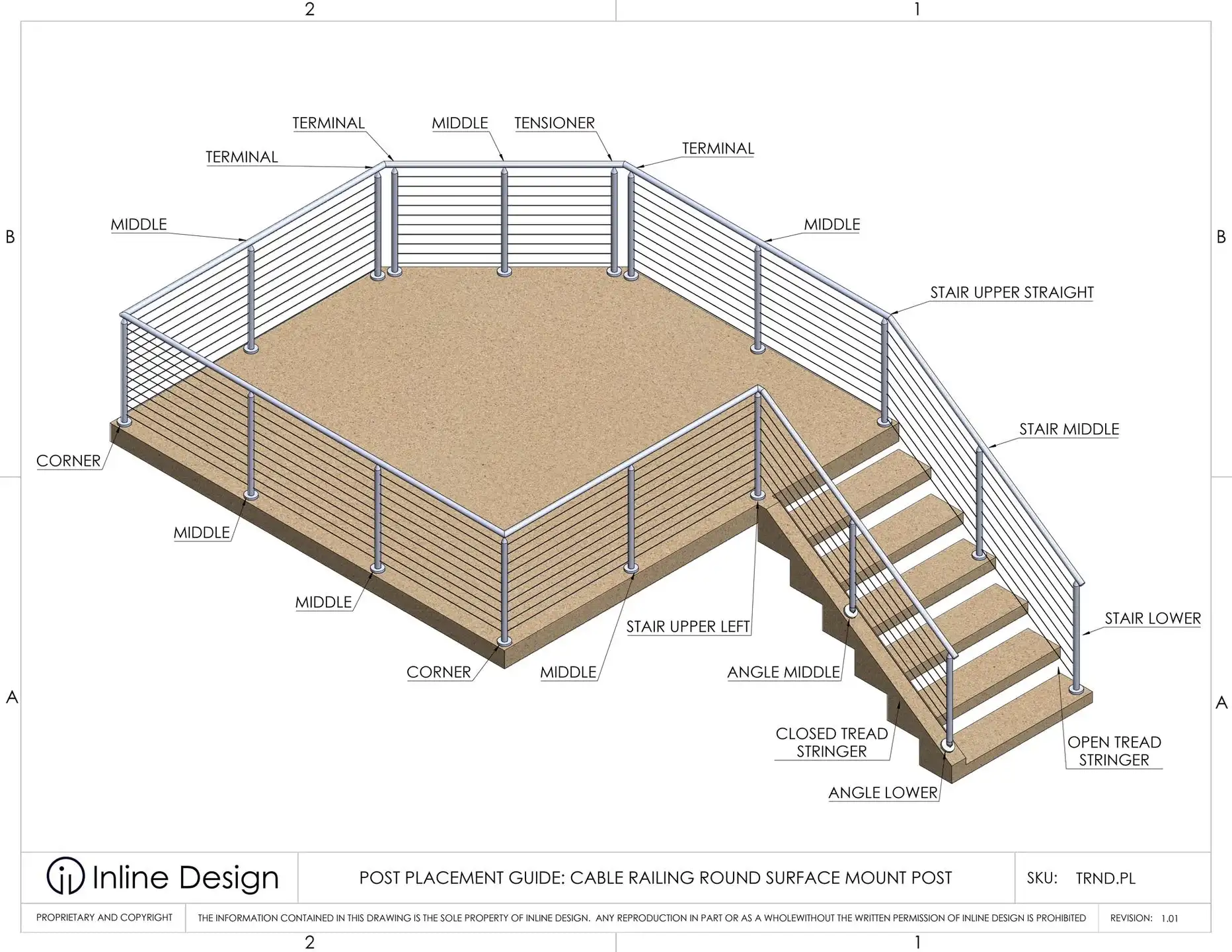
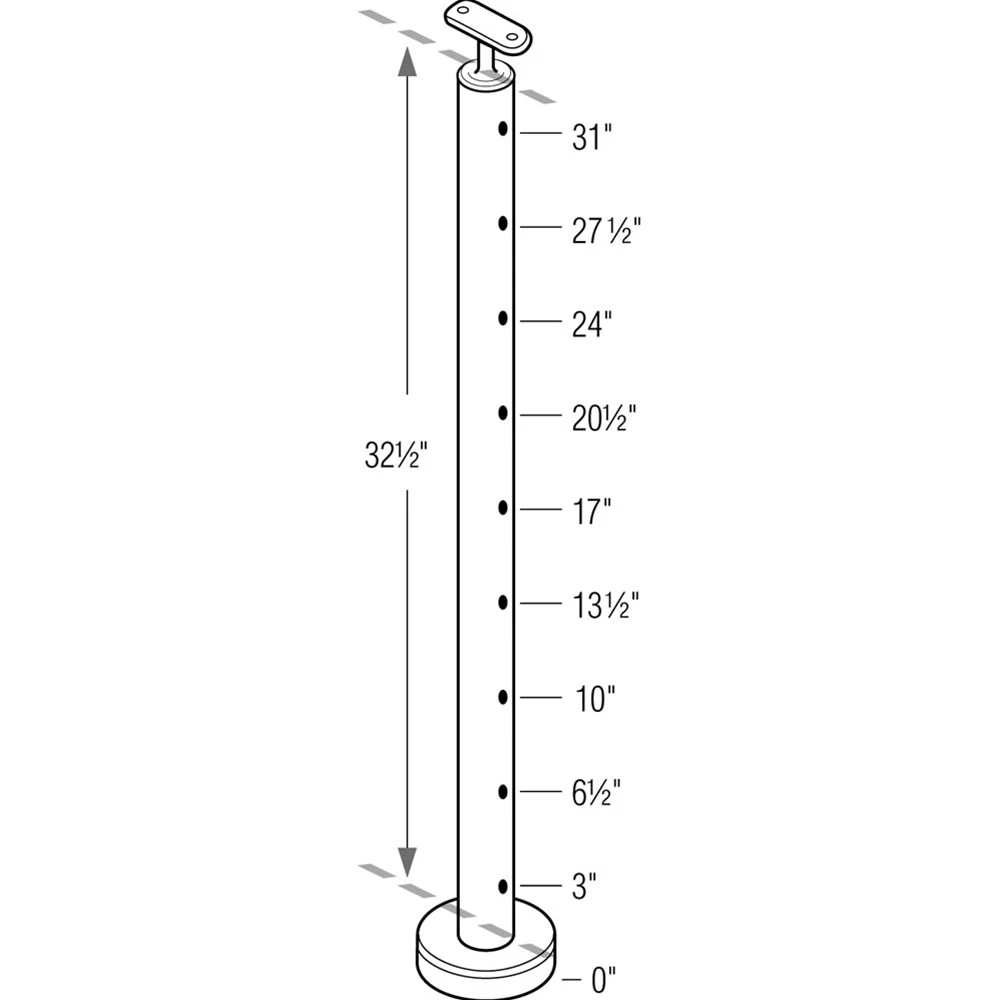
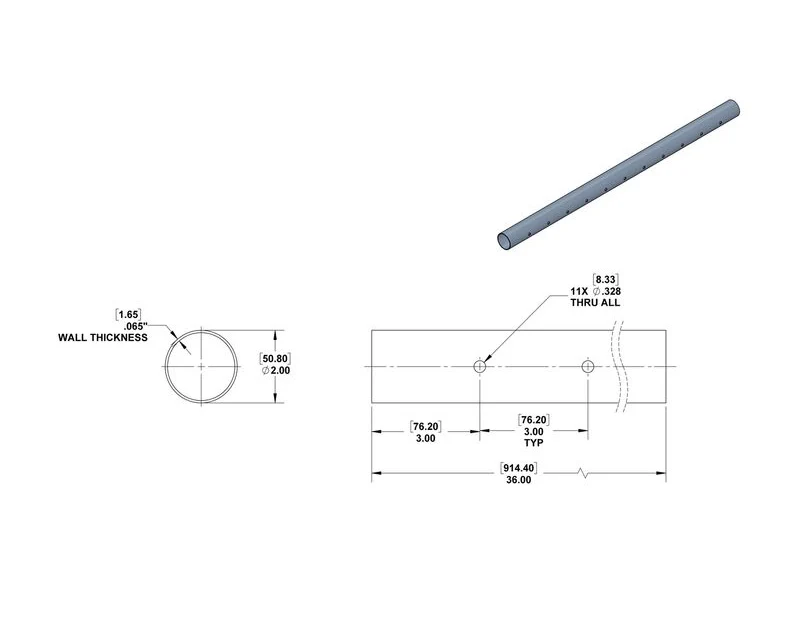
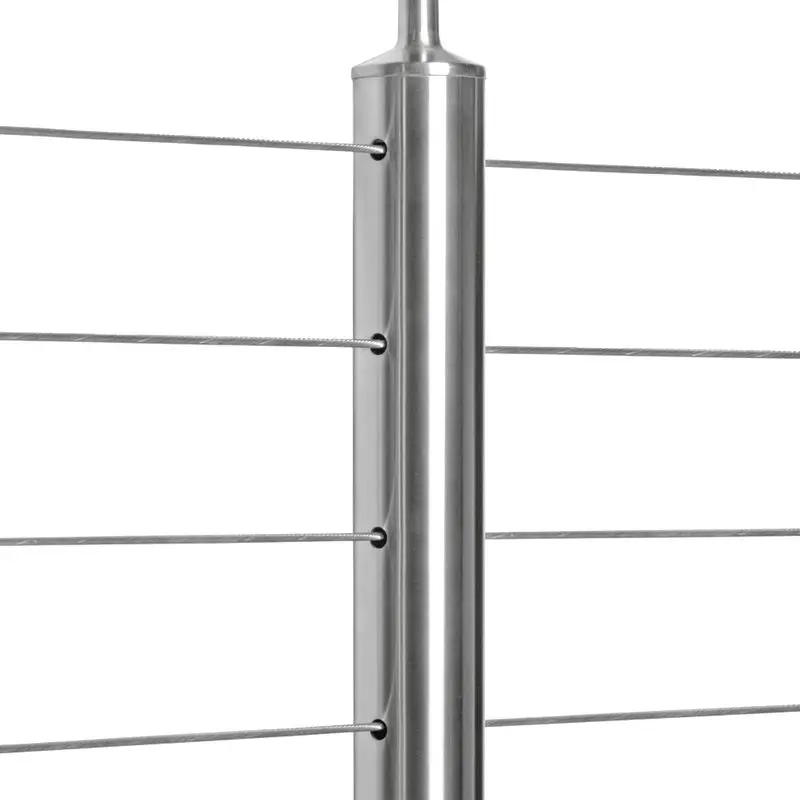
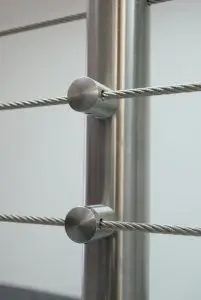
Cable Railings:For a trendy, industrial-chic look, stainless steel wire ropes (cables) tensioned between steel posts offer a minimalist aesthetic. They provide excellent ventilation and an almost invisible barrier.
Classic Bar Systems:Horizontal or vertical stainless steel bars offer a more structured, geometric look. Vertical bars are highly recommended for homes with small children, as they are difficult to climb.
Wood Accents:To soften the cold, industrial feel of metal, many homeowners choose to top their stainless steel balustrades with a rich, natural wood handrail.
Choosing the Right Grade: 304 vs. 316
When purchasing stainless steel railings, you will primarily encounter two grades: **Type 304** and **Type 316**.
Grade 304 is the standard commercial grade. It is highly rust-resistant and perfect for residential areas located inland, away from harsh environmental factors.
Grade 316 (often called marine grade) contains molybdenum, which drastically increases its resistance to chlorides. If you live near the ocean, or in an area where corrosive de-icing salts are used heavily in winter, Grade 316 is a necessary investment.
Conclusion
Investing in stainless steel railings for your balcony is a decision that pays dividends in both the short and long term. It immediately upgrades the curb appeal and value of your property while providing peace of mind through its unyielding strength. By choosing the right grade and a design that complements your home, you can create a beautiful, safe, and enduring outdoor retreat that you will enjoy for years to come.


Stainless Steel Railings for Balcony
Introduction
Stainless steel railings are a popular choice for balcony applications in residential and commercial buildings. They combine durability, low maintenance, and contemporary aesthetics, making them suitable for a wide range of architectural styles and climates.
Benefits
– Durability: Stainless steel resists corrosion, rust, and staining, especially when using grades like 304 or 316, making it ideal for coastal or humid environments.
– Strength and safety: High tensile strength provides reliable support and meets safety codes for fall protection when properly designed and installed.
– Low maintenance: Unlike painted metals, stainless steel requires minimal upkeep—occasional cleaning keeps it looking new.
– Aesthetic versatility: Polished, brushed, or satin finishes complement modern and traditional designs; stainless pairs well with glass, wood, or cable infill.
– Longevity and value: Long service life and minimal replacement costs improve long-term value and curb appeal.
Common Materials and Grades
– 304 stainless steel: Widely used, suitable for most urban and indoor applications.
– 316 stainless steel: Contains molybdenum for superior corrosion resistance; recommended for coastal or high-saline locations.
– Surface finishes: Mirror polish (high shine), brushed/satin (matte, hides fingerprints), and bead-blasted (uniform matte texture).
Design Options
– Post-and-rail: Classic layout with vertical posts and horizontal top/bottom rails—clean, structural, and easy to fabricate.
– Glass infill: Tempered glass panels between posts provide unobstructed views and a modern look; stainless clamps or channels secure the glass.
– Cable rail: Stainless steel cables create a minimalist, transparent barrier; suitable for contemporary designs.
– Baluster/vertical pickets: Traditional vertical elements for privacy and code compliance.
– Custom profiles: Curved rails, integrated handrails, or decorative elements for unique architectural expressions.
Safety and Code Considerations
– Height: Comply with local building codes for required balcony railing height (commonly 36–42 inches for residential).
– Spacing: Infill spacing should prevent a 4-inch sphere from passing through to protect children.
– Structural load: Railings must resist prescribed horizontal and vertical loads; anchorage to the balcony structure must be engineered and inspected.
– Handrail ergonomics: Top rail diameter/shape should allow a secure grip where required.
Installation Tips
– Professional assessment: Use a qualified fabricator and installer to ensure proper anchoring, material selection, and compliance with codes.
– Anchoring methods: Through-bolts, mechanical anchors, or base plates welded to embedded anchors—choice depends on substrate (concrete, wood, steel).
– Thermal expansion: Allow for movement in long runs; design connections to accommodate expansion without stressing components.
– Edge protection: When pairing glass with stainless steel, use gaskets or pads to prevent chipping and reduce vibration.
Maintenance
– Routine cleaning: Rinse with fresh water and mild detergent; wipe with a soft cloth to remove fingerprints and smudges.
– Stubborn stains: Use non-abrasive stainless steel cleaners or mild acid cleaners formulated for stainless; avoid chloride-based cleaners and steel wool.
– Inspection: Periodically check fasteners, anchors, and welds for signs of loosening, corrosion, or wear—address issues promptly.
– Coastal environments: More frequent cleaning and choosing 316 grade or higher will extend service life.
Cost Considerations
– Initial cost: Typically higher than painted steel or wood but lower lifecycle costs due to durability and minimal maintenance.
– Customization: Complex designs, glass infill, or higher-grade alloys increase cost.
– Value: Stainless steel railings can increase property appeal and resale value due to longevity and modern aesthetics.
Conclusion
Stainless steel railings are a durable, attractive, and versatile choice for balconies. By selecting the appropriate grade, finish, and design, and ensuring proper installation and maintenance, homeowners and designers can achieve a safe, low-maintenance railing system that enhances both function and appearance.
_
Reviews
There are no reviews yet.